That mid-afternoon slump hits, and your hand instinctively reaches for the nearest edible comfort. But what if that choice could do more than just quiet a grumbling stomach? The foods we choose to refuel with in the afternoon can directly influence our body’s stress response, either turning up the dial on tension or helping to create a sense of calm focus.
It’s not about willpower; it’s about biochemistry. When stress hormones like cortisol are high, our cravings shift, often toward quick, sugary, or salty fixes. These choices can create a blood sugar rollercoaster that actually amplifies feelings of anxiety and fatigue. The good news is that a few intentional swaps, grounded in how nutrients interact with our nervous system, can transform your snack from a reactive craving into a proactive tool for steadier energy and resilience.
Why the Afternoon Is a Critical Window for Stress
Our natural cortisol rhythm typically peaks in the morning to help us wake up and then gradually declines throughout the day. For many people, there’s a smaller, secondary dip in the early afternoon—around 2 to 4 p.m.—which can coincide with a drop in energy and focus. This is the precise moment when we’re most vulnerable to reaching for less-than-ideal snacks.
Pair this biological dip with common afternoon stressors—a looming deadline, a full inbox, or just the cumulative mental load of the day—and you have a perfect storm for stress-eating. Choosing a snack that provides sustained energy helps stabilize blood sugar, preventing the sharp spikes and crashes that can mimic or worsen feelings of anxiety and irritability.
The goal isn’t to eliminate snacks, but to choose ones that send a calming signal to your body, not an alarm.
Building a Stress-Supportive Snack
Dietitians suggest combining two or three key components to build a snack that refuels steadily and supports a calm state. Think of it as creating a mini-meal of complementary nutrients.
Fiber and complex carbohydrates are your foundation. They are digested slowly, providing a gradual release of glucose into your bloodstream. This steady fuel prevents the energy crash that can feel like heightened stress. Think whole grains, oats, fruits, and vegetables.
Protein is the stabilizer. It slows digestion even further, promotes satiety, and provides amino acids that are precursors for neurotransmitters like serotonin and dopamine, which regulate mood. Options include Greek yogurt, cottage cheese, nuts, seeds, legumes, and lean meats.
Healthy fats support brain health and help you feel satisfied. The omega-3 fatty acids found in walnuts, chia seeds, and flaxseeds, for example, are known for their anti-inflammatory properties, which can be beneficial for a body under stress.
What to Limit When You're Feeling Wired
Just as some foods support calm, others can undermine it. Highly refined carbohydrates and added sugars can cause rapid blood sugar spikes followed by crashes, often accompanied by jitteriness and fatigue. Excessive caffeine in the afternoon can interfere with sleep later, creating a cycle of fatigue and reduced stress tolerance. While a small piece of dark chocolate can be a fine choice, large amounts of sugary snacks can leave you feeling worse than when you started.
Simple, Dietitian-Approved Snack Ideas
You don’t need a complicated recipe. The simplest combinations are often the most effective.
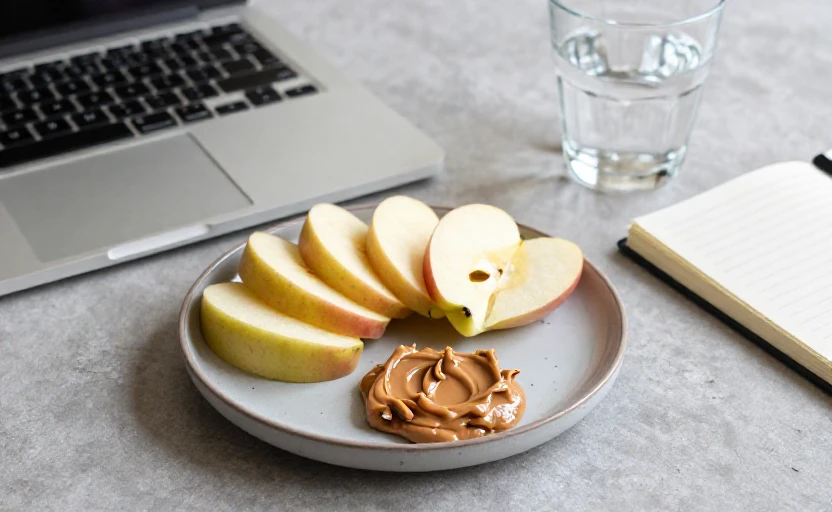
- Apple slices with almond butter: The apple provides fiber and carbs, the almond butter offers protein and healthy fats.
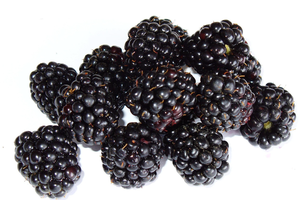
- A small bowl of plain Greek yogurt with berries and a sprinkle of chia seeds: This combines protein, antioxidants, fiber, and omega-3s.
- Whole-grain crackers with hummus and cucumber slices: A satisfying mix of complex carbs, plant-based protein, and hydration.
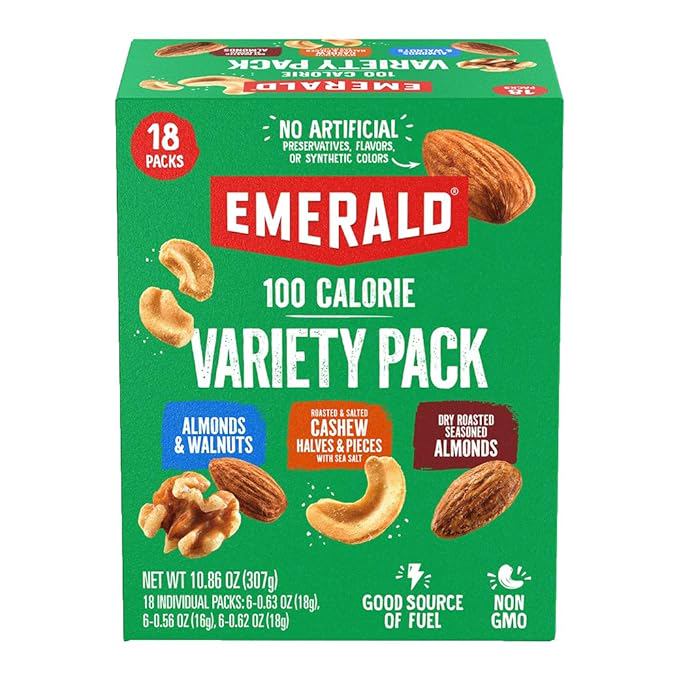
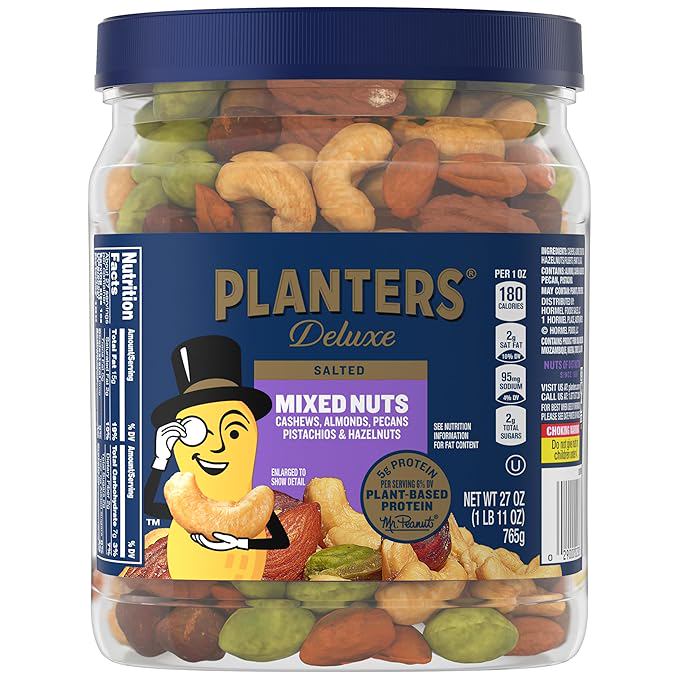
- A handful of trail mix made with nuts, seeds, and a few dark chocolate chips.
- Cottage cheese with peach slices: High in protein with a touch of natural sweetness.
The act of pausing to eat your snack mindfully—instead of over your keyboard—can also be a powerful stress-management practice in itself. It gives your nervous system a moment to reset.
Beyond the Snack: Hydration and Rhythm
Sometimes, what feels like a snack craving is actually thirst. Mild dehydration can cause fatigue and headaches, adding to your perceived stress. Before you reach for a snack, try drinking a glass of water and waiting a few minutes.
Consistency matters, too. Eating at roughly the same time each afternoon helps regulate your body’s hunger signals and energy levels, preventing you from getting so ravenous that any snack will do. Listen to your body’s subtle cues for hunger rather than waiting until you’re distracted, irritable, or overly tired.
Your afternoon snack is a small but powerful opportunity to care for your nervous system. By choosing foods that provide balanced, sustained energy, you’re not just refueling your body—you’re building resilience against the stresses of your day, one mindful bite at a time.