
You know that feeling. It hits around two or three in the afternoon—a heavy curtain of drowsiness that makes your eyelids droop and your focus evaporate. A short nap seems like the obvious fix. And sometimes it works perfectly: you wake up ten or twenty minutes later, refreshed and clear-headed. But if you have ever woken up from a nap feeling groggier than before, with a headache or a strange sense of disorientation, or if you have found yourself unable to fall asleep at your usual bedtime after a midday doze, you have experienced the nap backfire.
This is not a moral failing or a sign of laziness. It is a predictable outcome of how your body’s internal clock and sleep drive interact. Understanding the mechanics can help you decide when a nap will help and when it will hurt—and what to do instead when your energy flags in the afternoon.
Why the Body Craves an Afternoon Siesta
Humans are biologically wired for a dip in alertness in the mid-afternoon. This is not about lunch-induced drowsiness alone; it is a natural lull in the body’s circadian rhythm. Even if you skip lunch entirely, your wakefulness tends to drop somewhere between 1:00 and 4:00 p.m. For some people, this circadian trough is mild. For others, it feels irresistible.
A short nap catches you during this trough and can restore alertness, improve mood, and even boost cognitive performance. The trouble starts when the nap crosses a certain duration threshold or when it conflicts with your evening sleep schedule.
The 30-Minute Wall: Sleep Inertia Explained
The single biggest reason an afternoon nap backfires is sleep inertia. Sleep inertia is the groggy, disoriented state that follows waking from deep sleep. Think of it as a biological hangover from breaking the sleep cycle prematurely.
In the first ten to twenty minutes of sleep, you are in light non-REM sleep stages. Waking from this phase feels relatively easy. But beyond the twenty- or thirty-minute mark, your brain begins to slip into deeper slow-wave sleep (stage N3). If an alarm or an interruption yanks you out of this deep sleep, your brain struggles to regain full wakefulness. You feel sluggish, fuzzy, and sometimes even nauseous. This disorientation can last from a few minutes to over half an hour.
Your morning coffee might mask the grogginess temporarily, but the underlying sleep inertia persists until your brain resets its sleep pressure signals.
The Spillover Effect: How Daytime Sleep Steals Nighttime ZZZs
Sleep is driven by two forces: your circadian rhythm (the internal clock that tells you when to be awake) and sleep pressure (the biological need for rest that builds the longer you are awake). Every hour you remain awake increases your sleep pressure, making it easier to fall asleep at night.
When you take a long afternoon nap, you release a significant amount of that sleep pressure early. By the time bedtime arrives, your drive to sleep is lower. You may lie in bed feeling wide awake, or you may toss and turn for an hour before drifting off. Over time, this pattern can fragment your nightly sleep, reduce its restorative depth, and create a cycle of daytime fatigue that tempts you to nap more.
This is especially true if you already have mild insomnia or a tendency toward lighter sleep. For people with a healthy sleep foundation, a short nap is less disruptive. But for anyone whose nighttime sleep is already fragile, afternoon napping can become part of the problem rather than the solution.
Who Should Nap—and Who Should Skip It
Napping is not universally bad. In fact, some groups clearly benefit from planned daytime rest.
- Shift workers and new parents: If you cannot get enough nighttime sleep due to work or caregiving demands, a strategic nap is a vital survival tool. For these groups, the trade-off of reduced sleep pressure is worth the acute alertness gain.
- Athletes and physically active people: A short nap can aid muscle recovery and reduce perceived fatigue.
- People with sleep disorders (under medical guidance): Some conditions, such as narcolepsy, require scheduled naps as part of treatment.
On the other hand, napping is often counterproductive for:
- People with insomnia or poor sleep quality: Napping can weaken the sleep drive needed to consolidate nighttime sleep.
- Adults who get adequate nightly rest: If you already sleep seven to nine hours per night, an afternoon nap may be unnecessary and can signal an underlying issue such as poor sleep quality, sleep apnea, or a nutrient deficiency.
- Anyone who wakes from a nap feeling worse than before: This is your body telling you that the timing or duration is off.
Practical Rules for a Nap That Actually Works
If you decide to nap, do it with intention. Here are the evidence-based guardrails that reduce the risk of backfire.
Keep it short. Set an alarm for 20 minutes. This window gives you the restorative benefits of light sleep without the grogginess of deep sleep. Even a ten-minute power nap can improve alertness and cognitive function.
Time it early. The best window for a nap is between 12:00 p.m. and 2:00 p.m. for most people. Napping after 3:00 p.m. is more likely to interfere with your body’s natural wind-down process and delay bedtime. If you have a later chronotype (you naturally stay up late and wake late), the window may shift slightly later, but in general, earlier is safer.
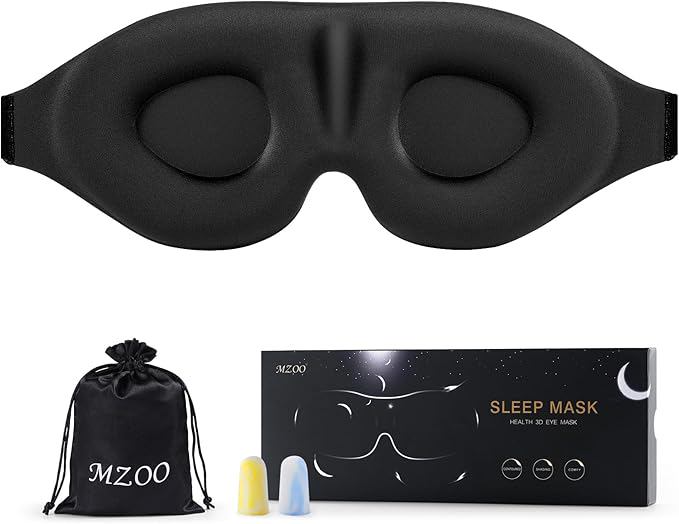
Create a proper environment. Find a dark, quiet, cool spot. Darkness helps activate melatonin production even during daytime hours. A sleep mask and earplugs can help, especially if you are napping in a bright or noisy space.
Caffeine before a nap? This sounds counterintuitive, but a practice called the “caffeine nap” has some evidence: drink a cup of coffee immediately before a short 20-minute nap. Because caffeine takes about 20–30 minutes to take effect, you wake up as the caffeine peaks, giving you a double boost. This strategy works best for people who tolerate caffeine well and do not have anxiety or acid reflux.
When a Nap Is a Red Flag
Sometimes, overwhelming daytime sleepiness is not a normal circadian dip—it is a symptom. If you feel an irresistible urge to sleep during the day despite getting seven to nine hours of rest at night, or if you fall asleep involuntarily in low-stimulation situations (meetings, driving, reading), it is worth discussing with a healthcare provider.
Common underlying causes include sleep apnea, restless legs syndrome, depression, hypothyroidism, or simply chronic sleep deprivation that you have normalized. Napping in these cases can mask the root issue and delay proper treatment.
Also be aware that certain medications, including antihistamines, antidepressants, and blood pressure drugs, can cause daytime drowsiness. If your afternoon slump started after a new medication, that is another conversation for your doctor.
Non-Sleep Alternatives for the Afternoon Slump
If napping consistently backfires on you or if you want to avoid it altogether, you have other options to manage the afternoon dip.
- Bright light exposure: Turn on all the lights or step outside for ten minutes. Bright light signals to your brain that it is still daytime, reducing melatonin production.
- Movement: A brisk five-minute walk, a few stretches, or climbing a flight of stairs can increase circulation and neurotransmitter activity enough to lift alertness.
- Cold water: Splashing cold water on your face or wrists triggers a mammalian dive reflex that briefly raises alertness.
- Strategic snacking: A small protein-and-fiber snack (think an apple with nuts or yogurt) can stabilize blood sugar without the crash that follows a high-carb or sugary snack.
- Change your mental task: If you have been staring at a screen or doing repetitive work, switch to a different cognitive activity. Your brain’s attention system is often fatigued from monotony, not from a true need for sleep.
Ultimately, the afternoon nap is neither hero nor villain. It is a biological tool that works well when applied correctly and misfires when used carelessly. By understanding your own sleep architecture and respecting the timing and duration limits, you can make the nap work for you—or skip it with confidence, knowing your energy will return on its own.