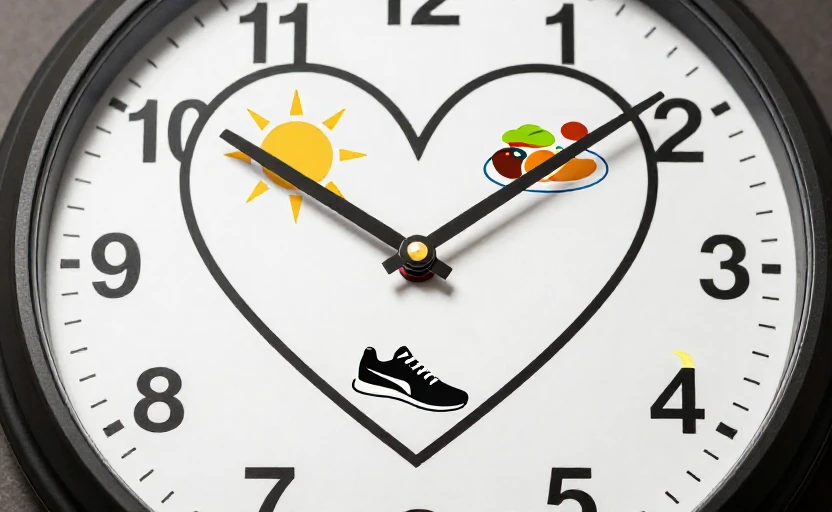
We often focus on the what and the how much when it comes to heart health: what foods to eat, how many minutes to exercise. But a growing body of research suggests another critical factor is quietly ticking in the background: the when. The timing of your meals and physical activity isn't just about scheduling convenience; it's about aligning with your body's internal rhythms to maximize protection for your cardiovascular system.
Think of your heart not just as a pump, but as an orchestra conductor, responding to daily cues of light, food, and movement. When we eat and move in sync with this natural rhythm—our circadian clock—we support metabolic harmony, stable blood pressure, and efficient energy use. When we work against it, we may inadvertently create strain.
Your Body's Internal Clock and Your Heart
Every cell in your body operates on a roughly 24-hour cycle, guided by a master clock in the brain. This circadian rhythm influences core functions like hormone release, body temperature, and sleep-wake cycles. Crucially, it also governs cardiovascular processes. Blood pressure naturally dips at night during sleep and begins to rise in the early morning. Platelet stickiness (which affects clotting) follows a pattern. Even the way your body processes glucose and fat from food varies significantly depending on the time of day.
Disrupting this rhythm through erratic eating, late-night meals, or poorly timed intense exercise can throw these systems out of tune. The result can be higher average blood pressure, poorer blood sugar control, and increased inflammation—all risk factors for heart disease.
The Heart-Healthy Eating Window
It's not just breakfast, lunch, and dinner. The duration of your daily eating window matters. The concept of time-restricted eating, which compresses all daily calories into a consistent 8- to 12-hour window, has shown promising links to heart health.
Giving your digestive system—and your metabolism—a longer, uninterrupted rest period each night may help improve blood pressure, cholesterol levels, and insulin sensitivity.
For many, a practical approach is to finish your last meal or snack at least 2-3 hours before bedtime. This allows for partial digestion before lying down, which can help reduce nighttime blood pressure and improve sleep quality, another pillar of heart health. A consistent morning meal, even a light one, can also help regulate blood sugar for the day ahead.
What does this look like in practice?
- If you finish dinner by 7:00 p.m., aim to not eat again until 7:00 a.m. or later—a simple 12-hour overnight fast.
- Prioritize larger, nutrient-dense meals earlier in the day when insulin sensitivity is typically higher.
- If you exercise in the evening, a small, balanced post-workout snack is fine, but keep it light and avoid a heavy meal right before sleep.
Timing Your Movement for Maximum Benefit
Exercise is universally beneficial, but the clock might influence its specific effects. Research is ongoing, but patterns are emerging that can help you tailor your routine.
Morning Movement
For many, morning exercise is the most consistent. It can elevate mood and focus for the day. Some studies suggest morning workouts may be particularly effective for lowering blood pressure throughout the day and improving sleep at night. A brisk walk, cycle, or workout before breakfast (in a fasted state) may also encourage the body to utilize stored fat for energy. If you have hypertension, note that blood pressure naturally surges upon waking; a gentle warm-up is especially important.
Afternoon and Evening Activity
Body temperature peaks in the late afternoon, along with muscle strength and flexibility, potentially lowering injury risk and allowing for peak performance. This can be an ideal time for more intense training. Furthermore, exercise can have a potent effect on lowering post-meal blood sugar spikes. A walk after lunch or dinner is a profoundly simple heart-healthy habit.
The best exercise time is ultimately the one you can stick to consistently. However, be cautious with very high-intensity exercise too close to bedtime, as it may interfere with sleep for some people.
Putting It All Together: A Sample Rhythm
This isn't about rigid rules, but about creating a sustainable, rhythmic pattern. Consider a framework like this:
- 7:00 a.m.: Wake with natural light if possible. Hydrate with water.
- 7:30 a.m.: A balanced breakfast (e.g., oatmeal with nuts and berries).
- 10:00 a.m.: A brisk 20-minute walk or mid-morning movement break.
- 1:00 p.m.: Nutritious lunch. Follow with a 10-15 minute gentle stroll.
- 4:00 p.m.: Potential window for more intense or strength-focused training.
- 6:30 p.m.: Lighter, well-balanced dinner.
- 8:00 p.m.: Begin winding down; dim lights.
- 10:00 p.m.: Target bedtime, allowing for 7-9 hours of sleep.
This schedule aligns eating within an 11-hour window, incorporates movement at different times, and prioritizes sleep—all supporting your circadian rhythm.
Listen to your body first. Shift work, personal chronotype (whether you're a natural "night owl" or "early bird"), and health conditions mean there's no single perfect schedule. The core principle is consistency. Going to bed, waking up, eating, and exercising at roughly the same times each day—even on weekends—trains your internal clock to function optimally. This rhythmic stability is a gift to your heart, reducing metabolic stress and building resilience over time. Start with one small timing adjustment, observe how you feel, and build from there. Your heart thrives on predictable care.