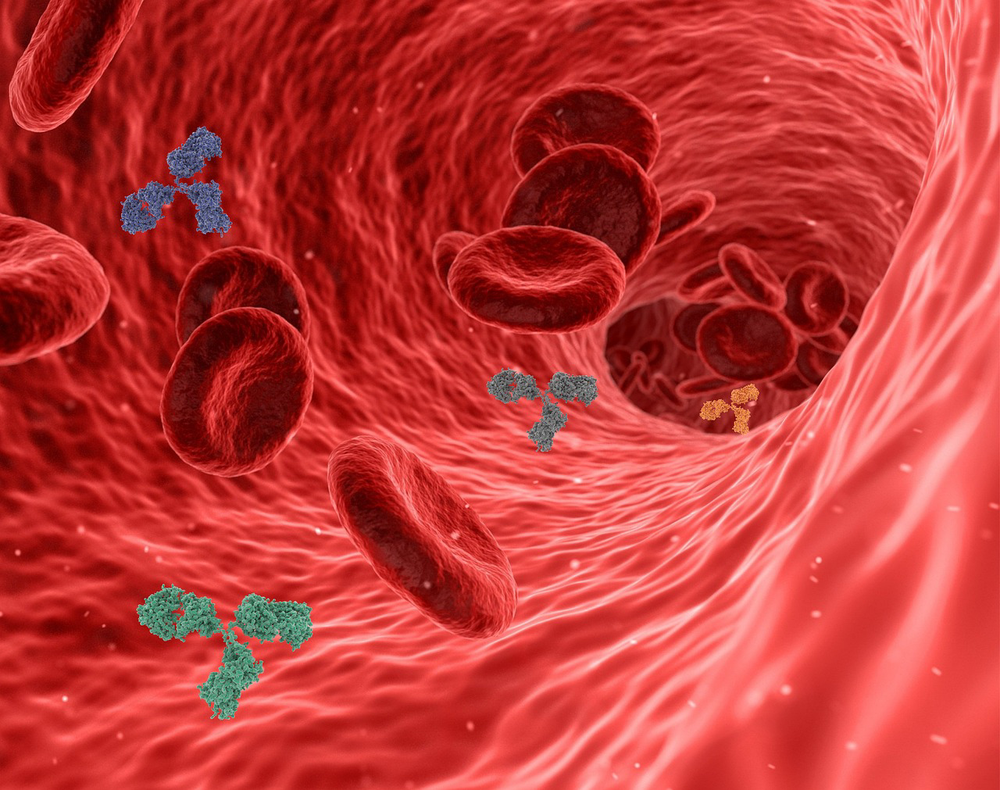
Managing blood pressure while working can be challenging, especially when lunch options are limited. A well-chosen midday meal supports cardiovascular health by providing key nutrients that help regulate blood pressure. Packing your lunch gives you control over ingredients and portions, making it easier to include foods known for their blood pressure benefits.
Focus on potassium, magnesium, fiber, and healthy fats—these are the elements that help counteract sodium and support vascular function. Here are four foods to include in your work lunch for more stable blood pressure throughout the day.
Leafy Greens
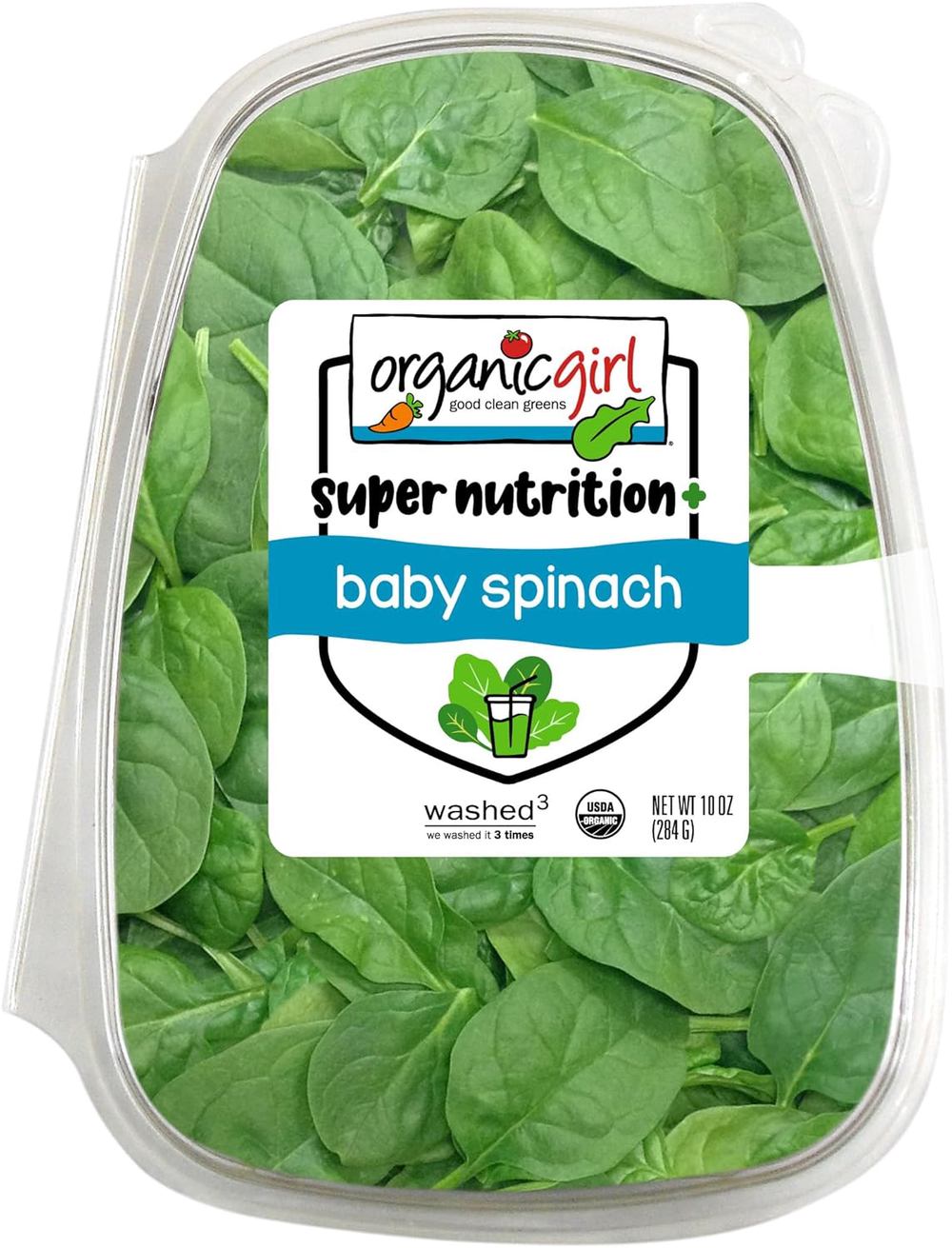
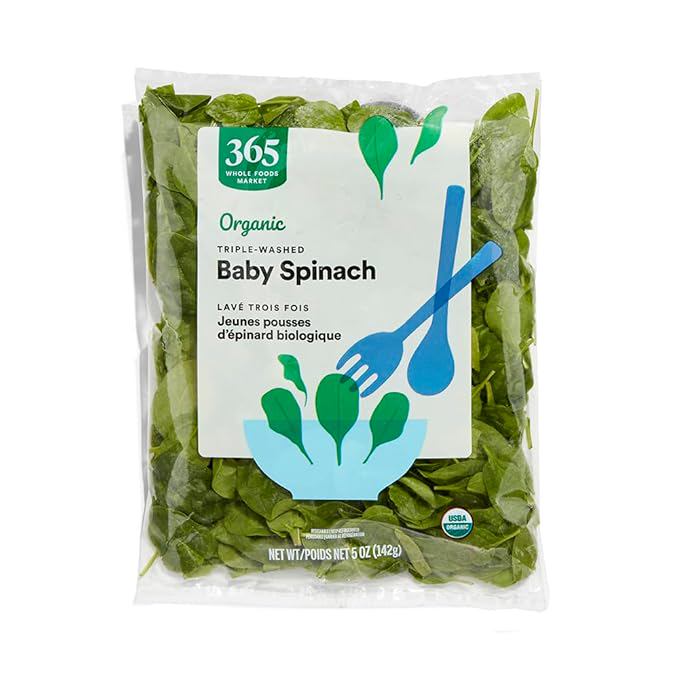
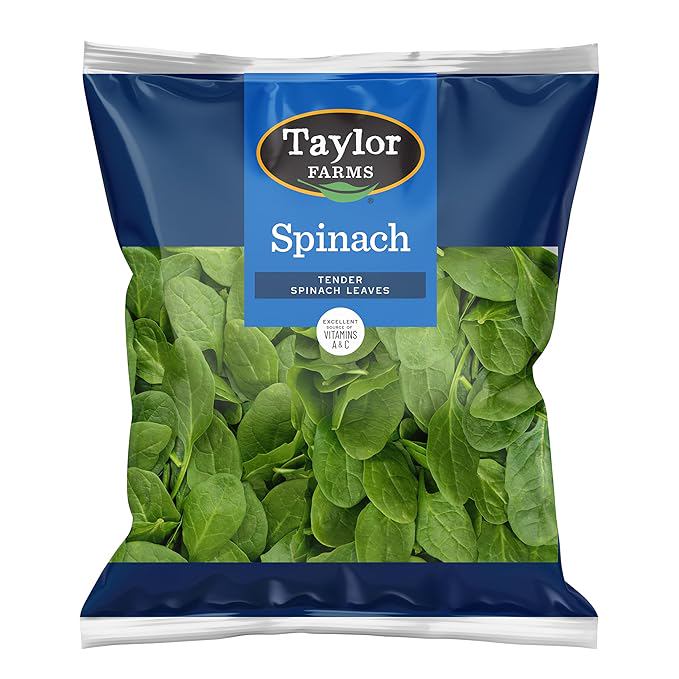
Spinach, kale, Swiss chard, and arugula are rich in dietary nitrates, which the body converts into nitric oxide. This compound relaxes blood vessel walls, improving circulation and helping to lower blood pressure. A large 2016 review in the Journal of Human Hypertension found that dietary nitrate from leafy greens can reduce systolic blood pressure by 4 to 5 mmHg in some individuals.
Pack a generous bed of greens as the base for your lunch salad, or tuck them into a whole-grain wrap. To keep greens fresh, store dressing separately and add it just before eating.
Tip: Massage kale with a little olive oil and lemon juice before packing—it softens the leaves and makes them more enjoyable to eat.
Beans and Lentils
Legumes like chickpeas, black beans, and lentils deliver a powerful combination of potassium, magnesium, and soluble fiber. These elements work together to lower sodium's impact on blood pressure and support healthy arterial function. Research in the American Journal of Clinical Nutrition linked regular legume consumption with a modest but meaningful reduction in systolic blood pressure.
Prepare bean salads with chopped vegetables and a simple vinaigrette, or blend lentils into soups that reheat easily at work. Canned beans are fine—just rinse them well to reduce sodium content by up to 40 percent.
Bananas
Bananas are one of the most portable sources of potassium, a mineral that helps the kidneys flush excess sodium from the body. A medium banana provides about 420 mg of potassium, roughly 9 percent of the daily recommended intake for adults. The American Heart Association emphasizes that consuming potassium-rich foods can help blunt the effects of sodium on blood pressure.
Slice a banana over oatmeal or yogurt for breakfast at your desk, or eat it whole as a side with lunch. Pair it with a source of protein, such as Greek yogurt or nut butter, to help stabilize blood sugar and energy levels through the afternoon.
Fatty Fish
Salmon, mackerel, sardines, and tuna are rich in omega-3 fatty acids, which reduce inflammation and improve the flexibility of blood vessels. A 2022 meta-analysis of 17 clinical trials published in Hypertension found that omega-3 supplementation led to significant reductions in both systolic and diastolic blood pressure, especially in people with existing hypertension.
Canned salmon or sardines are easy to keep in your desk and make a quick, protein-packed lunch. Mix with mashed avocado instead of mayonnaise for a potassium boost, and serve with whole-grain crackers or a side of raw vegetables.
Building a lunch around these four foods—leafy greens, legumes, bananas, and fatty fish—gives your body the nutrients it needs to maintain steady blood pressure on demanding workdays. Keep lunch low in added salt and processed ingredients, and drink water throughout the day to support circulation and kidney function.