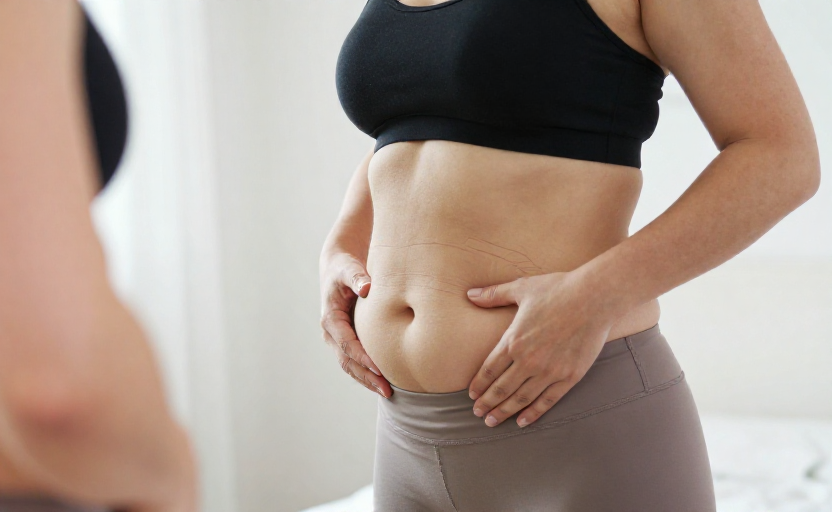
For many women, the frustration of stubborn belly fat goes beyond aesthetics. When you are eating well, exercising regularly, and the midsection still feels unreasonably firm or resistant to change, it might not be a simple matter of willpower or diet. According to endocrinologists, this specific pattern of fat distribution is often a subtle, yet critical, warning sign of Polycystic Ovary Syndrome (PCOS).
PCOS is a hormonal and metabolic disorder that affects roughly one in ten women of reproductive age. While irregular periods, acne, and excess hair growth are well-known symptoms, the presence of visceral fat—the deep abdominal fat that wraps around your internal organs—is a powerful indicator that the body's insulin and androgen systems are out of balance. Understanding this connection can be the first step toward meaningful health management.
Why PCOS Targets the Abdomen
The link between PCOS and belly fat is rooted in insulin resistance. In many women with PCOS, the body's cells do not respond effectively to insulin. To compensate, the pancreas pumps out even more insulin. This excess insulin, known as hyperinsulinemia, does two things: it tells the ovaries to produce more testosterone, and it signals the body to store fat preferentially in the abdominal area.
This is not the pinchable subcutaneous fat you can grab; it is the metabolically active visceral fat that resides deep inside the abdominal cavity. Endocrinologists explain that this type of fat is particularly problematic because it produces inflammatory compounds that further worsen insulin resistance, creating a vicious cycle. The belly becomes a hormonal organ in its own right, making weight loss increasingly difficult and raising the risk for conditions like Type 2 diabetes and cardiovascular disease.
Key point: Stubborn belly fat in PCOS is rarely about calorie intake alone. It is a sign of underlying hormonal and metabolic dysfunction that requires targeted lifestyle and medical strategies.
How to Tell the Difference Between Regular Weight Gain and PCOS-Related Fat
Not all belly fat signals PCOS, but there are distinctive features endocrinologists look for. The fat associated with PCOS often has a stiff or dense feel. Women may also notice a rapid accumulation of fat during their teens or early twenties, even if other body parts remain lean. The classic description is an apple-shaped body where weight accrues in the center, rather than around the hips and thighs.
It is also common for this fat to accompany other PCOS markers, such as irregular menstrual cycles, thinning hair on the scalp, or a condition called acanthosis nigricans—a dark, velvety patch of skin on the nape of the neck, underarms, or knuckles. This skin change is a direct visual cue of high insulin levels.
What Endocrinologists Recommend (and What to Avoid)
Because the root cause is hormonal and metabolic, general weight-loss diets often fall short for women with PCOS. Endocrinologists do not focus on restrictive calorie cutting. Instead, they emphasize strategies that lower insulin levels and reduce androgen production.
Focus on Blood Sugar Stability
The most effective approach is to minimize blood sugar spikes. This means favoring foods with a low glycemic index, such as non-starchy vegetables, legumes, lean proteins, and healthy fats like those found in avocados and nuts. Combining carbohydrates with protein or fat can further blunt the insulin response. A typical plate might include a palm-sized portion of grilled chicken or fish, a generous serving of roasted broccoli or spinach, and a small serving of quinoa or sweet potato.
Prioritize Strength Training
While cardio can be helpful, building muscle is arguably more important for PCOS. Muscle tissue is a major consumer of glucose, and increasing muscle mass improves the body's insulin sensitivity. Resistance training, yoga, and Pilates are excellent choices. The goal is not to burn calories during the workout, but to change how your body handles energy throughout the day. See your doctor before you start a new fitness plan.
Address Sleep and Stress
Cortisol, the stress hormone, can compound the effects of insulin. High cortisol levels promote abdominal fat storage and can worsen PCOS symptoms. Because of this, endocrinologists often recommend sleep hygiene and stress management as non-negotiable parts of treatment. Aiming for seven hours of quality sleep nightly and integrating daily practices like deep breathing or walking in nature can help regulate the hormonal environment.
The Role of Medical Support
Lifestyle changes are powerful, but they are not a substitute for medical guidance. A variety of medications can help manage the underlying drivers of belly fat in PCOS, including insulin-sensitizing drugs and medications that block testosterone. A blood test measuring fasting insulin, glucose, and androgen levels can confirm PCOS and guide treatment. No single cream or workout gadget will erase the fat; addressing PCOS at the hormonal level is what creates sustainable change.
If you have always struggled with a stubborn midsection and also experience irregular periods or fatigue, it is worth asking your healthcare provider about PCOS. Recognizing that the problem is not your body's failure but a treatable medical condition can be a powerful shift in perspective.