Polycystic ovary syndrome (PCOS) affects more than just the ovaries — it’s a whole-body condition with a strong inflammatory component. In fact, many of the metabolic challenges linked to PCOS, from insulin resistance to irregular cycles, are tied to low-grade, chronic inflammation. While there is no single “PCOS diet,” research suggests that certain foods can help lower specific markers of inflammation, like C-reactive protein (CRP) and tumor necrosis factor-alpha (TNF-α).
Here are seven foods that may help reduce inflammation in PCOS, backed by emerging evidence. Think of these not as a rigid prescription, but as smart swaps and additions to a balanced eating pattern.
1. Fatty fish: salmon, sardines, and mackerel
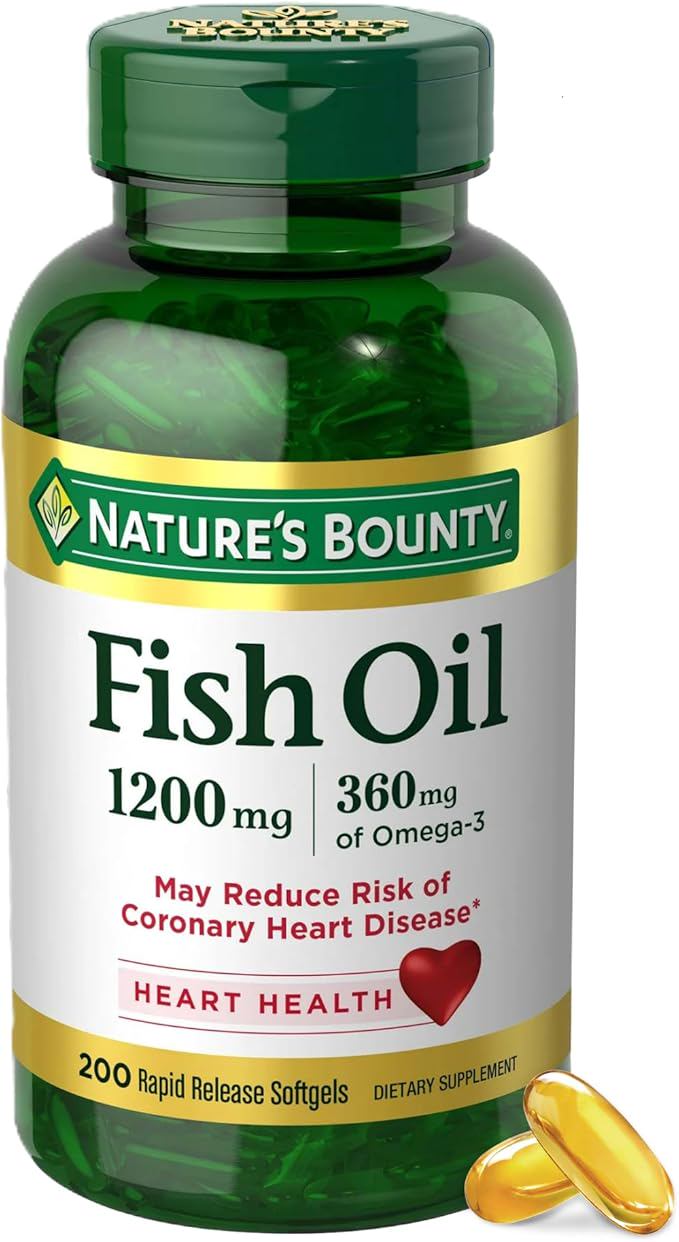
Fatty fish are one of the richest dietary sources of long-chain omega-3 fatty acids — specifically EPA and DHA. These fats have a well-documented ability to reduce the production of inflammatory molecules like cytokines and prostaglandins. In one study, women with PCOS who took fish oil supplements showed significant reductions in CRP and triglycerides. Eating two to three servings of wild-caught salmon or sardines per week can offer similar benefits in a whole-food form.
2. Leafy greens: spinach, kale, and Swiss chard
Dark, leafy greens are packed with vitamin K, magnesium, and a family of compounds called carotenoids — including beta-carotene and lutein. These act as antioxidants, quenching free radicals that drive inflammation. For women with PCOS, leafy greens also provide a low-glycemic, high-volume option that stabilizes blood sugar and supports liver detoxification pathways. Try adding a handful of spinach to your morning smoothie or using kale as a base for salads and stir-fries.
3. Berries: blueberries, strawberries, and blackberries
Berries are loaded with anthocyanins — the pigments that give them their deep red, blue, and purple hues. These compounds have been shown to lower inflammatory markers in people with metabolic syndrome, a condition that overlaps heavily with PCOS. Berries are also relatively low in sugar compared to other fruits, making them a smart choice for managing insulin levels. A cup of mixed berries a day is a simple, powerful habit.
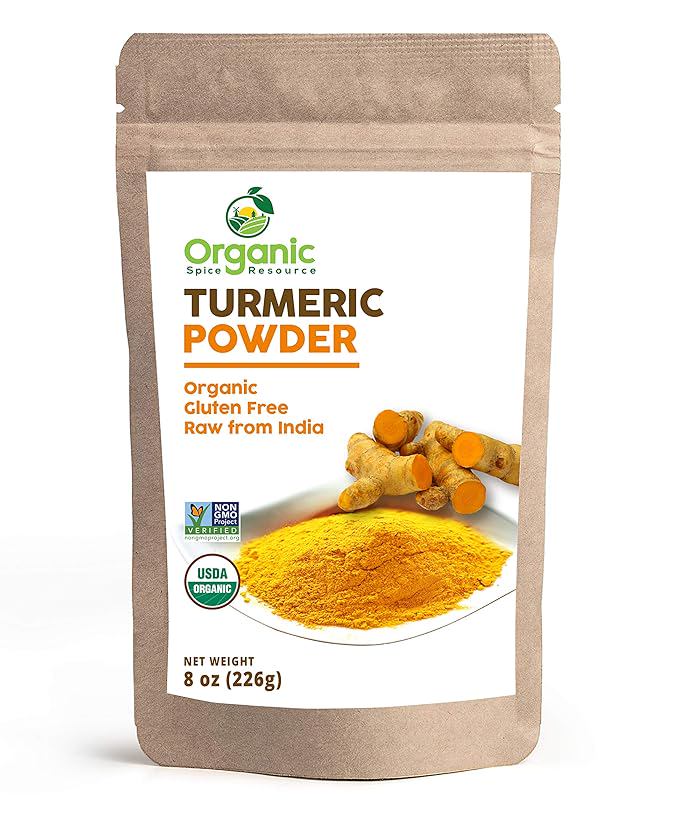
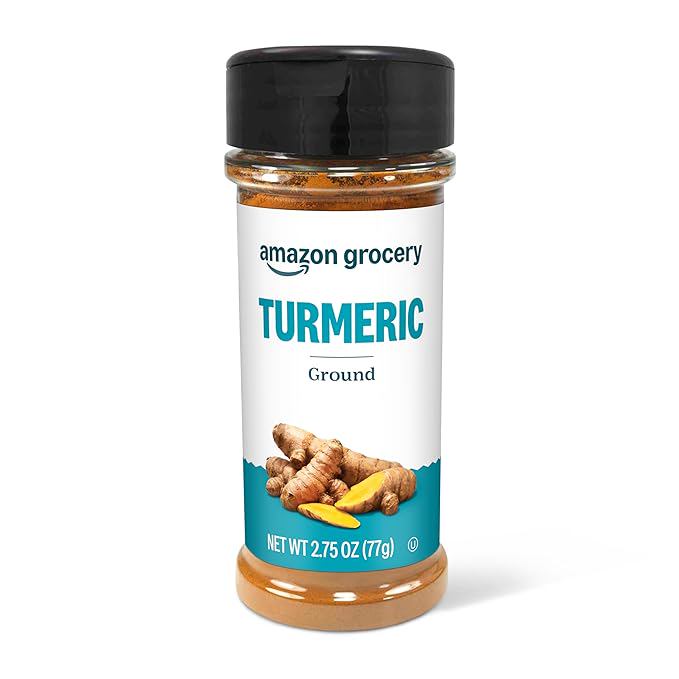
4. Turmeric (with black pepper)
A pinch of black pepper can increase curcumin absorption by up to 2000%. Don't skip it.
The active compound in turmeric, curcumin, is one of the most researched anti-inflammatory substances in the natural world. Curcumin inhibits NF-kB, a protein complex that switches on inflammation-related genes. Because curcumin is poorly absorbed on its own, pairing it with piperine (found in black pepper) and a source of fat (like coconut milk or olive oil) makes a real difference. You can enjoy it in golden milk lattes, soups, or curries.
5. Extra-virgin olive oil
Extra-virgin olive oil is a key component of the Mediterranean diet, which has been linked to lower inflammation in PCOS specifically. Its primary anti-inflammatory compounds are oleocanthal and oleic acid. Oleocanthal has a unique property — it works similarly to ibuprofen, by inhibiting COX-1 and COX-2 enzymes. Just one to two tablespoons daily, used as a finishing oil on vegetables or salads, can contribute to a measurable drop in inflammatory markers over time.
6. Legumes: lentils, chickpeas, and black beans
Legumes are a dual-action food for women with PCOS. First, they are rich in soluble fiber, which feeds beneficial gut bacteria and lowers CRP. Second, they provide plant-based protein and complex carbohydrates that produce a very gentle blood sugar response. Replacing refined carbs (like white rice or pasta) with lentils or chickpeas several times a week is a practical shift that supports both inflammation and insulin sensitivity.
7. Walnuts and flaxseeds
Walnuts and flaxseeds are plant-based sources of alpha-linolenic acid (ALA), an omega-3 fat that the body partially converts to EPA and DHA. They also contain ellagitannins and lignans — polyphenols that exert anti-inflammatory effects. A small handful of walnuts (about 1 ounce) or a tablespoon of ground flaxseed stirred into oatmeal or yogurt makes for an easy, fiber-rich addition to your day.
Lowering inflammation in PCOS isn’t about chasing a single “superfood” — it’s about building a consistent pattern of whole foods that work synergistically. Adding these seven foods to a diet rich in vegetables, lean protein, and healthy fats may help shift your inflammatory markers in a more favorable direction over time. As always, talk with your healthcare provider before making significant changes, especially if you are on medication.