
Turning 50 brings a certain kind of clarity. You’ve earned a few gray hairs, maybe a pair of reading glasses, and definitely the right to be stubborn about your own health. But there’s one area where stubbornness can backfire: the decision to skip a cardiovascular screening.
It’s an easy appointment to put off. You feel fine. Your blood pressure was “normal” last time. You walk the dog most days. The reasoning is smooth and comfortable. But the numbers tell a different story. Heart disease remains the leading cause of death for adults over 50 in the United States, and the earliest warning signs often have no symptoms at all. That screening isn’t just a box to check—it’s a snapshot of what’s happening beneath the surface.
What Does a Cardiovascular Screening Actually Measure?
A standard cardiovascular screening is not the same as a stress test or an EKG you get before a procedure. It’s a quiet, routine set of measurements that your primary care doctor can perform right in the exam room. The core components usually include:
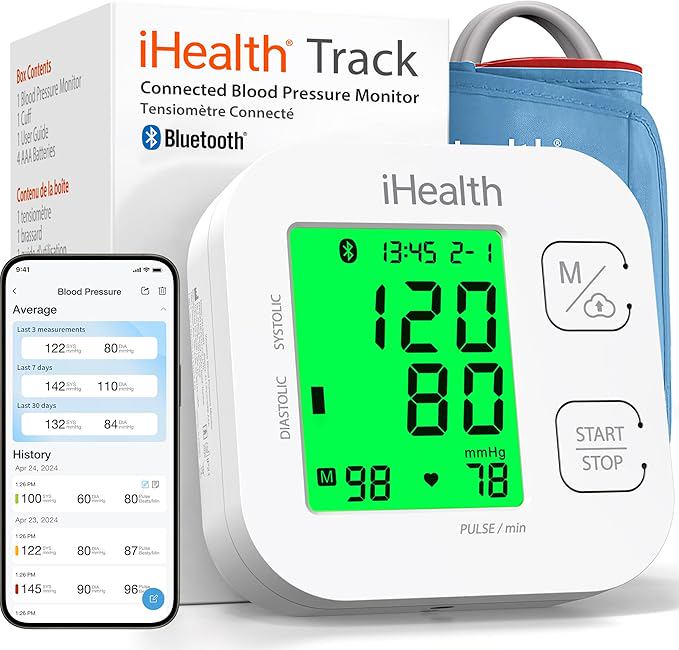
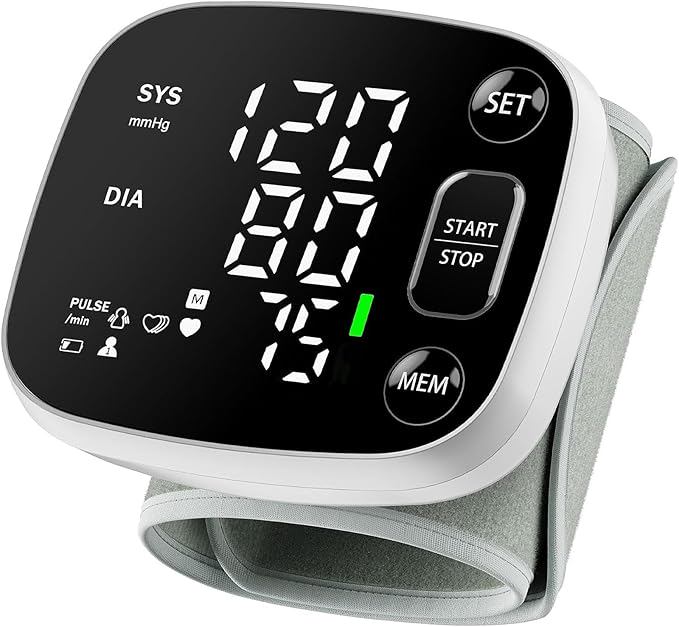
- Blood pressure reading – a baseline indicator of how hard your heart is working to pump blood.
- Lipid panel – a blood test that measures total cholesterol, LDL (the “bad” kind), HDL (the “good” kind), and triglycerides.
- Fasting blood glucose – a screen for prediabetes or diabetes, both of which strain the cardiovascular system.
- Body mass index (BMI) or waist circumference – an assessment of how weight distribution may affect heart health.
Some doctors may also check your resting heart rate and ask about family history in more detail. No needles stay in your arm for long. The entire process takes about as long as a dental cleaning, and the information it provides is far more consequential.
The Dangerous Gap Between Feeling Fine and Being at Risk
High blood pressure is often called the silent killer for a reason. It doesn’t cause headaches, dizziness, or chest pain until it has already been damaging arteries for years. Elevated cholesterol works the same way. You cannot feel plaque building up in your coronary arteries. You cannot sense a rising triglyceride level over breakfast.
Between ages 50 and 65, your vascular system undergoes natural changes. Arteries become stiffer. Plaque accumulation accelerates. Without a screening, you are essentially flying blind. By the time symptoms appear—shortness of breath, unusual fatigue, a fluttering sensation in the chest—the condition may already be advanced enough to require medication or intervention.
The quiet nature of early cardiovascular disease is exactly why the screening exists: to catch trouble before it shouts.
Why Age 50 Is a Tipping Point
Clinical guidelines across major health organizations recommend that adults begin regular cardiovascular risk assessments at age 40 to 45, but the urgency increases after 50. For women, the protective effect of estrogen declines significantly after menopause, which often occurs around this age. For men, the accumulation of risk factors—smoking history, sedentary lifestyle, diet—tends to cross a threshold that raises 10-year risk scores.
A single screening at 50 can establish baseline numbers that your doctor will use to track changes over time. Without that baseline, small shifts are easy to miss. A rise in blood pressure from 118/78 to 132/85 may seem minor on paper, but over five years, it represents meaningful progression that should prompt lifestyle adjustments.
What Happens When You Skip It
Choosing not to screen does not prevent heart disease from developing. It only ensures that when a problem does arise, it will be discovered later—often during an emergency setting when treatment options are more limited and recovery is harder. The data is consistent: adults who have regular cardiovascular screenings are more likely to receive early treatment for hypertension and high cholesterol, which reduces their risk of heart attack and stroke.
Common Reasons People Skip Screenings (And Why They Don’t Hold Up)
It’s worth looking at the most common internal arguments against showing up for a screening, because they are widespread and surprisingly persuasive.
- “I’m not having any symptoms.” This is the most dangerous assumption. Many early-stage cardiovascular issues produce zero symptoms. By the time symptoms appear, the condition has often been developing for years.
- “I had a normal EKG two years ago.” A resting EKG looks at the heart’s electrical activity at one moment, but it does not measure cholesterol, blood sugar, or blood pressure trends over time. It’s a different test with a different purpose.
- “I exercise regularly.” Exercise is protective, but it does not guarantee clean arteries. Genetics, diet, and stress all play independent roles. Fit people can and do have heart attacks.
- “I don’t want to worry about numbers.” Avoidance does not lower the numbers. It only postpones awareness. Knowing your numbers is the first step toward improving them.
What to Expect Before, During, and After
If it has been a while, here is a quick walkthrough of what a typical cardiovascular screening involves. The morning of the appointment, you may be asked to fast for 9 to 12 hours so the lipid panel and glucose test are accurate. Water is fine. Coffee, even black, can interfere.
At the appointment, a nurse or medical assistant will take your blood pressure after you have been seated quietly for at least five minutes. A small blood sample is drawn from your arm. The doctor will measure your height and weight, ask about your medical history and any medications, and calculate your 10-year cardiovascular risk using a standardized tool like the ASCVD risk estimator.
Results usually come back within a day or two. If your numbers are within a healthy range, the next screening may be scheduled for one to two years out. If any markers are elevated, the conversation shifts to lifestyle changes—diet, exercise, stress management—or, if necessary, medication. No one is handed a prescription without a full discussion of options.
The Bigger Picture: Prevention Over Intervention
Cardiovascular screening is not about diagnosing disease. It is about projecting risk, identifying trends, and making small adjustments before a larger event becomes likely. This is the difference between preventive medicine and crisis medicine.
A 2019 study published in the Journal of the American College of Cardiology found that adults who had a comprehensive cardiovascular screening at age 50 and followed up with their doctor about borderline results had significantly lower rates of heart attack over the next 15 years compared to those who did not screen. The screening itself does not prevent heart disease, but it opens the door for changes that do.
Take the Appointment Seriously—But Not Nervously
The fear of bad news keeps many people away. It is a natural instinct. But bad news does not become worse by being discovered early. In fact, it becomes more manageable. High cholesterol responds well to dietary changes. Stage 1 hypertension can often be lowered with a combination of less sodium, more potassium, and consistent movement. The window for making those changes without medication is widest when the numbers are only slightly elevated.
A cardiovascular screening after 50 is not a punishment. It is not a judgment on your lifestyle. It is a tool, and like any tool, it only works if you actually use it. Making the appointment, showing up, and having a straightforward conversation with your doctor is one of the best investments you can make in your own future.