
Reaching your 50s is a milestone that often comes with a new set of health priorities. Among the most important is understanding your cardiovascular risk. Heart disease remains the leading cause of death for adults in the United States, but it is also one of the most preventable conditions when caught early. A cardiovascular screening is the tool that makes early detection possible. Yet a common question lingers: exactly how often should you get one after 50?
The short answer is that most adults with no known heart disease should have a baseline screening in their early 50s, and then repeat it every one to five years depending on their results. But the real answer is more nuanced. Your personal risk factors—family history, blood pressure, cholesterol levels, smoking history, and lifestyle—determine the optimal schedule. Let's break it down so you can have an informed conversation with your doctor at your next visit.
What a cardiovascular screening actually includes
A screening is not a single test but a bundle of measurements and assessments. The core components typically include:
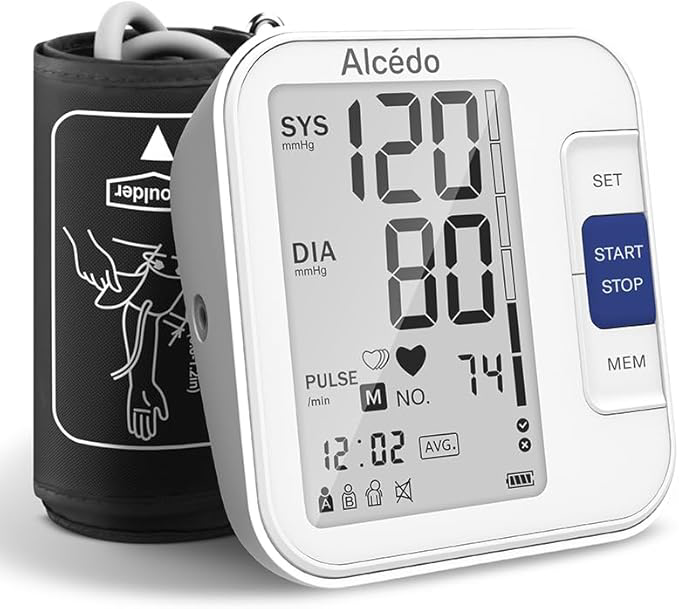
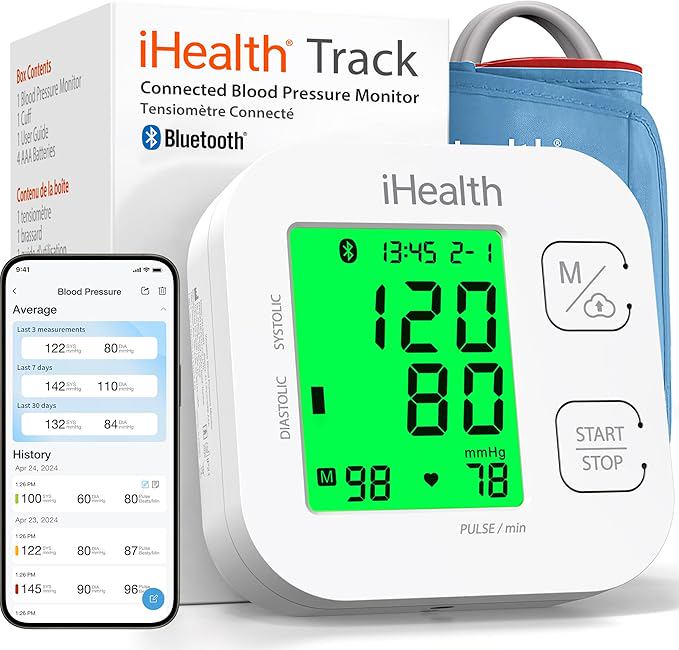
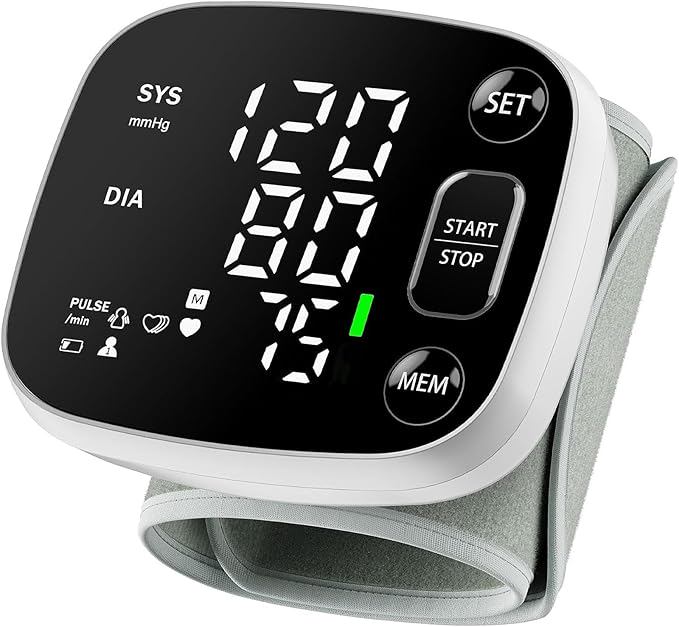
- Blood pressure reading – This is the single most important test for heart disease risk. A reading above 130/80 mmHg is considered elevated and may indicate hypertension.
- Lipid panel (cholesterol test) – Measures total cholesterol, LDL (bad cholesterol), HDL (good cholesterol), and triglycerides. You usually need to fast for 9–12 hours before this blood draw.
- Blood glucose test – Screens for prediabetes and diabetes, both of which are strong risk factors for heart disease.
- Body mass index (BMI) – A calculation based on your height and weight that helps assess obesity-related risk.
- Lifestyle and family history review – Your doctor will ask about smoking, physical activity, diet, and whether any first-degree relatives had early heart disease (before age 55 for men, before 65 for women).
Some providers may also recommend a coronary artery calcium (CAC) scan or an ankle-brachial index (ABI) test if you have borderline risk factors. These are imaging-based and not part of a routine annual screening.
General screening intervals for adults 50 and older
Professional guidelines from the American Heart Association, the U.S. Preventive Services Task Force, and the American College of Cardiology generally align on these recommendations for people aged 50–79 who have no symptoms of heart disease:
Every 1 year
- Blood pressure check – At least once a year, even if your last reading was normal. If you have hypertension or prehypertension, you may need checks every 3–6 months.
Every 1–2 years
- Lipid panel – For those with borderline elevated cholesterol (LDL 130–159 mg/dL) or other risk factors like diabetes or a strong family history of early heart disease.
Every 3–5 years
- Lipid panel – For adults with low risk: normal blood pressure, normal cholesterol, no diabetes, and no family history of premature heart disease.
If your 10-year risk of a heart attack or stroke is calculated as low (less than 5%) using a formal risk calculator (like the ASCVD Risk Estimator), your doctor may suggest a longer interval between full screenings. If your risk is intermediate (5–7.5%) or high, you may be screened annually.
What changes in your 50s that makes screening more urgent
Aging itself is an independent risk factor. After age 50, blood vessels naturally become stiffer, blood pressure tends to rise, and cholesterol metabolism shifts. For women, the loss of estrogen after menopause accelerates these changes significantly. That is why someone who had normal numbers at age 48 can develop concerning levels by 52.
You cannot control your age, but you can control how often you check the metrics. The value of routine screening is that it catches trends before they become emergencies. If your LDL rises gradually from 110 to 140 mg/dL over two years, you and your doctor have time to intervene with lifestyle changes or medication rather than waiting until it hits 190.
Risk factors that call for more frequent screening
The following conditions or histories should lower the threshold for repeating a full screening to every 1–2 years:
- High blood pressure (hypertension or prehypertension)
- High cholesterol (familial hypercholesterolemia or persistent above-target LDL)
- Diabetes or prediabetes
- Current or former smoker with significant pack-year history
- Obesity (BMI 30 or higher)
- Chronic kidney disease
- Known coronary artery disease, peripheral artery disease, or prior stroke
- A first-degree relative who had a heart attack or stroke before age 50 (father or brother) or before 55 (mother or sister)
If you have two or more of these risk factors, annual screening is generally considered prudent even if you feel fine.
When your doctor might recommend a more advanced screening test
For certain individuals, the standard blood pressure and cholesterol numbers are not enough to paint a full picture. Your doctor may suggest:
- Coronary artery calcium (CAC) scan – A non-invasive CT scan that measures calcified plaque in the coronary arteries. This is often used for intermediate-risk individuals to decide whether to start statin therapy. It is generally done once rather than repeatedly.
- Lipoprotein(a) test – A genetic marker of inherited cardiovascular risk. It is measured once because levels change little over a lifetime.
- High-sensitivity C-reactive protein (hs-CRP) test – Measures inflammation in the body. Elevated levels can indicate higher heart attack risk independent of cholesterol.
The decision to use these advanced tests is individualized. Insurance may not cover them unless you meet specific criteria, so ask your provider about costs beforehand.
What to do if you are approaching 50 or just turned 50
If you have not had a cardiovascular screening before, schedule a comprehensive checkup that includes all the core components. This will establish your baseline. From there, work with your doctor to set a follow-up interval based on that initial data.
Between screenings, you can track your blood pressure at home with a validated monitor. Home monitoring is especially useful if you have white-coat hypertension (high readings only at the doctor's office) or are making lifestyle changes and want to see progress.
Frequently asked questions about screening after 50
Q: Do I need to fast before a heart screening?
A: Yes, for the lipid panel. You should not eat or drink anything except water for 9–12 hours before the blood draw. If you only need a blood pressure check and glucose test, fasting may not be strictly required, but it is best to ask your clinic.
Q: Will Medicare cover my cardiovascular screening?
A: Medicare Part B covers a cardiovascular screening blood test every five years. This includes cholesterol, lipid, and triglyceride levels. Blood pressure checks are part of routine annual wellness visits, which are covered once every 12 months. If your doctor orders more frequent labs due to a medical condition, those are also usually covered.
Q: Is the screening painful?
A: The only discomfort is the needle stick for the blood draw. Blood pressure measurement uses an inflatable cuff that may feel firm for a few seconds. It is considered a low-burden test with high reward.
Q: Can I get screened at a pharmacy or health fair instead of a doctor's office?
A: You can get a blood pressure reading at many pharmacies for free, and some health fairs offer basic lipid panels. However, these are not a substitute for a full screening by a healthcare provider who can interpret your results in the context of your personal health history and risk factors.
Practical summary for your next step
Here is a simple rule of thumb to remember: after 50, get a full cardiovascular screening at least every five years, and possibly every one to two years if you have a risk factor or a concerning number. If everything is normal at your baseline, a three- to five-year interval is reasonable, but do not skip your annual blood pressure check at your regular physical.
The most important takeaway is that screening is not a one-time event—it is a recurring process. By staying on schedule, you give yourself the best chance to keep your heart healthy for decades to come.