
For many, a monthly period is a familiar rhythm of life, accompanied by a predictable set of symptoms. Cramps, bloating, and mood swings are common, often manageable with rest, a heating pad, or over-the-counter relief. But sometimes, your body’s signals shift from a manageable hum to a blaring alarm. Knowing the difference between normal discomfort and a sign that warrants a doctor’s attention is a crucial part of caring for your health.
This guide walks you through the specific warning signs that mean it’s time to pick up the phone and schedule an appointment. Trusting your instincts about what feels "off" is powerful, and these benchmarks can help clarify when those instincts are pointing you toward professional care.
What are the red flag period symptoms?
Some symptoms go beyond typical period troubles and serve as clear indicators that something else may be going on. If you experience any of the following, consider them a prompt to consult your doctor.
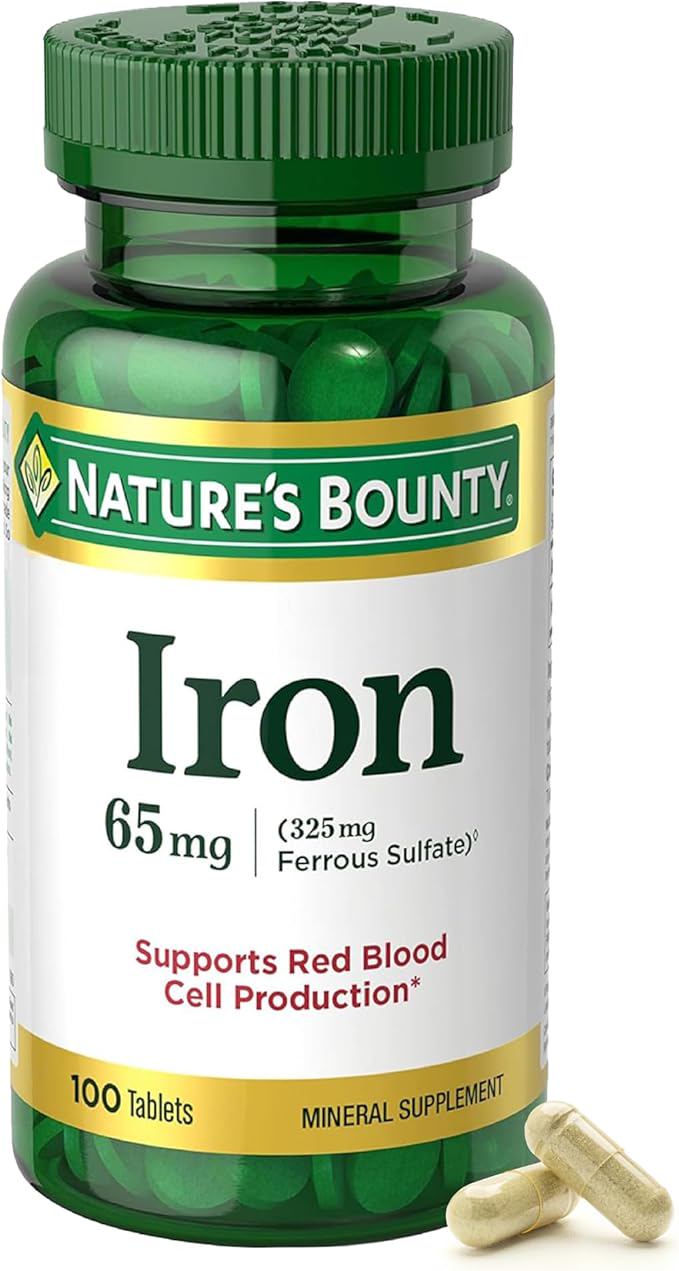
Extremely heavy bleeding. This is often described as soaking through a pad or tampon in an hour or less for several consecutive hours, or passing clots larger than a quarter. Needing to double up on protection or change it overnight is another sign. This level of bleeding can lead to anemia, causing fatigue, shortness of breath, and dizziness.
Severe pain that disrupts your life. While cramping is normal, debilitating pain that keeps you from school, work, or daily activities is not. Pain so intense that over-the-counter pain relievers don’t touch it, or pain that radiates to your lower back or thighs, should be evaluated.
Bleeding between periods or after sex. Any unexpected bleeding outside your regular cycle warrants a check-up. This includes spotting that occurs mid-cycle or bleeding after intercourse, which can have various causes that a doctor can help identify.
Periods that last longer than a week. A typical period flow lasts between 4 to 7 days. Consistently having periods that extend beyond 7 days is considered prolonged and is worth discussing with a healthcare provider.
When changes in your cycle signal a problem
Your cycle is unique to you, but sudden or dramatic changes in its established pattern can be meaningful. Pay attention to these shifts.
If you’ve had regular periods that suddenly become very irregular, or if you skip periods entirely (and pregnancy isn’t a possibility), it’s a good idea to get checked. Similarly, a significant change in your premenstrual symptoms—like the new onset of severe migraines, intense mood changes, or overwhelming fatigue—is worth mentioning.
Think of your cycle as a monthly report from your body. A major change in the data is a reason to investigate.
Underlying conditions that can cause severe symptoms
Often, severe period symptoms aren’t just bad luck; they can be clues to underlying health conditions. A doctor can help diagnose and manage these. Common ones include:
- Endometriosis: Tissue similar to the uterine lining grows outside the uterus, causing severe pain, heavy bleeding, and pain during sex.
- Uterine Fibroids: Noncancerous growths in the uterus that can lead to heavier, longer periods and pressure-like pelvic pain.
- Adenomyosis: Similar tissue grows into the muscular wall of the uterus, resulting in intensely painful, heavy periods.
- Polycystic Ovary Syndrome (PCOS): A hormonal disorder that can cause irregular periods, skipped periods, and other systemic symptoms.
- Pelvic Inflammatory Disease (PID): An infection of the reproductive organs, often causing pelvic pain and irregular bleeding, which requires prompt treatment.
How to prepare for your doctor’s appointment
Going in prepared can make the conversation more productive and help you feel more in control. For a few cycles before your visit, try keeping a simple log. Note the start and end dates of your period, how heavy the flow is (perhaps by counting how many pads or tampons you use in a day), the severity of pain on a scale of 1 to 10, and any other symptoms like headaches or mood changes.
Write down your questions beforehand so you don’t forget them. Be ready to discuss your personal and family medical history. Remember, no question is too small or embarrassing—your doctor is there to help you navigate all of it.
Listening to your body is a form of self-respect. Period symptoms that significantly alter your quality of life are not something you simply have to endure. A healthcare provider can offer diagnosis, management options, and relief. Making that appointment is a proactive step toward understanding your health and finding a path to feeling better.