
Orgasms are often described as a peak moment of pleasure, but for many people—especially women—they don't happen as often or as easily as they'd like. While occasional difficulty is common, persistent orgasm problems can sometimes point to an underlying health issue that deserves attention. Understanding the difference between a temporary hurdle and a warning sign is key.
This article explores what the research says about why orgasm difficulties occur, when they might indicate a medical condition, and what steps you can take to address them.
Why orgasm frequency differs between men and women
Research consistently shows a gap in orgasm rates between men and women. A landmark study published in the Journal of Sex & Marital Therapy found that only about 62 percent of heterosexual women report reaching orgasm during partnered sex, compared to roughly 85 percent of heterosexual men. The reasons are complex and often interconnected—ranging from psychological barriers to physical health factors. When these barriers become chronic, they may be more than just a phase.
The main culprits: stress, anxiety, and arousal
The same Journal of Sex & Marital Therapy study identified stress and anxiety as the most common reasons women struggle to climax. Fifty-eight percent of participants cited stress, anxiety, or a combination of both as a barrier. Nearly half (48 percent) said a lack of sufficient arousal or stimulation played a role. Negative body image affected 28 percent of women, while pain and lack of lubrication each affected roughly a quarter of participants.
These factors don't exist in isolation. Stress dampens arousal, body image concerns fuel anxiety, and pain can make sexual activity feel like a chore rather than a pleasure.
When orgasm difficulties signal a deeper health issue
Occasional trouble reaching orgasm is normal, but persistent problems may be a red flag for medical conditions such as:
- Hormonal imbalances — Low estrogen, low testosterone, or thyroid disorders can reduce sexual desire and make orgasm harder to achieve.
- Neurological conditions — Multiple sclerosis, Parkinson's disease, spinal cord injuries, and diabetic neuropathy can disrupt nerve signals involved in orgasm.
- Cardiovascular disease — Reduced blood flow to the genitals can impair arousal and orgasm.
- Medication side effects — Antidepressants (especially SSRIs), blood pressure medications, and some birth control methods can delay or prevent orgasm.
- Pelvic floor dysfunction — Overly tight or weak pelvic floor muscles can cause pain or interfere with sensation.
- Mental health conditions — Untreated depression, anxiety disorders, or past trauma can profoundly affect sexual response.
If orgasm difficulties appear suddenly, are accompanied by pain, or coincide with other symptoms like fatigue, weight changes, or low libido, a medical evaluation is warranted.
What the research says about sexual orientation and orgasm
A study in the Journal of Sexual Medicine found that 75 percent of lesbian women report reaching orgasm, compared to 62 percent of heterosexual women. This gap suggests that partner knowledge of female anatomy, communication about preferences, and relationship dynamics play significant roles. While sexual orientation itself is not a health condition, the discrepancy highlights how relational and behavioral factors can mask or mimic biological problems.
When to see a doctor
Consider discussing orgasm difficulties with a healthcare provider if:
- You have never had an orgasm (primary anorgasmia)
- Your ability to orgasm has changed noticeably
- You experience pain during or after sex
- You have other symptoms like irregular periods, hot flashes, or chronic fatigue
- You are taking medications that may affect sexual function
- The problem is causing distress in your relationship or self-esteem
A gynecologist, urologist, or sexual health specialist can check for underlying conditions and suggest appropriate treatments, which may include hormone therapy, physical therapy, medication adjustments, or mental health support.
Practical steps you can take
While you're investigating medical causes, these strategies may help improve your sexual experience:
- Prioritize foreplay. Allow ample time for arousal — many women need 20–30 minutes of consistent, satisfying stimulation before they are physically ready for orgasm.
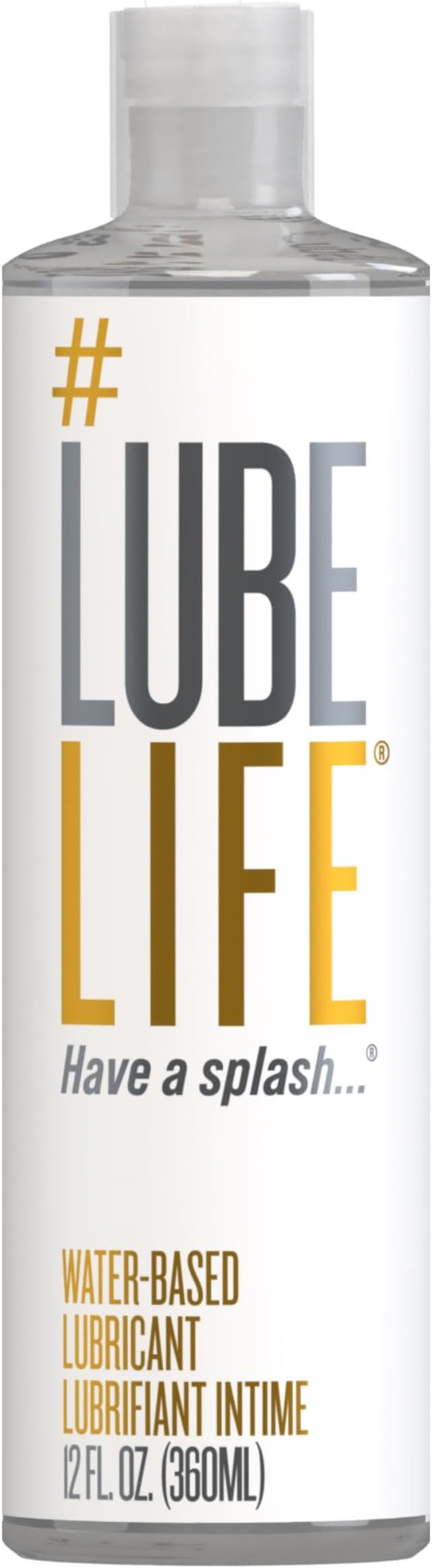
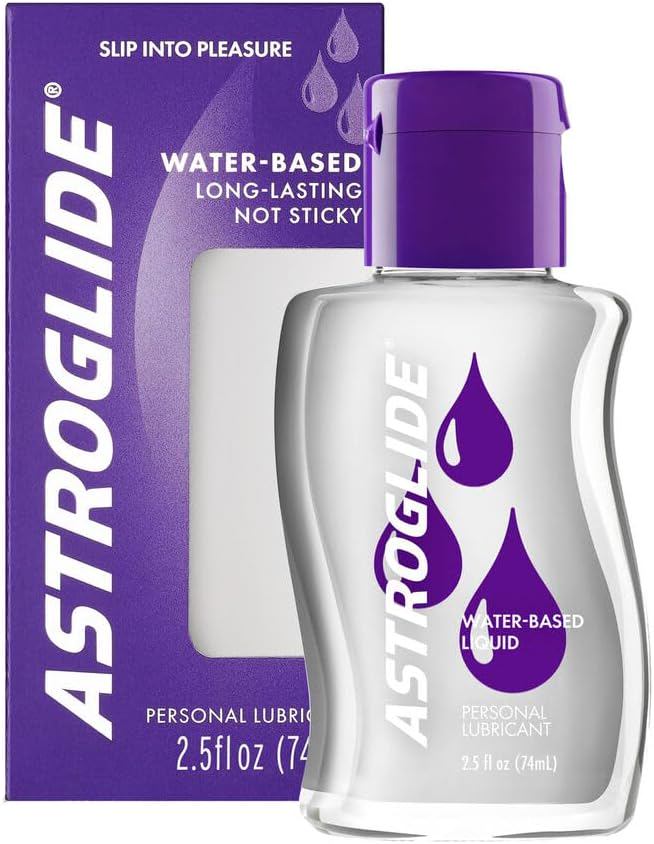
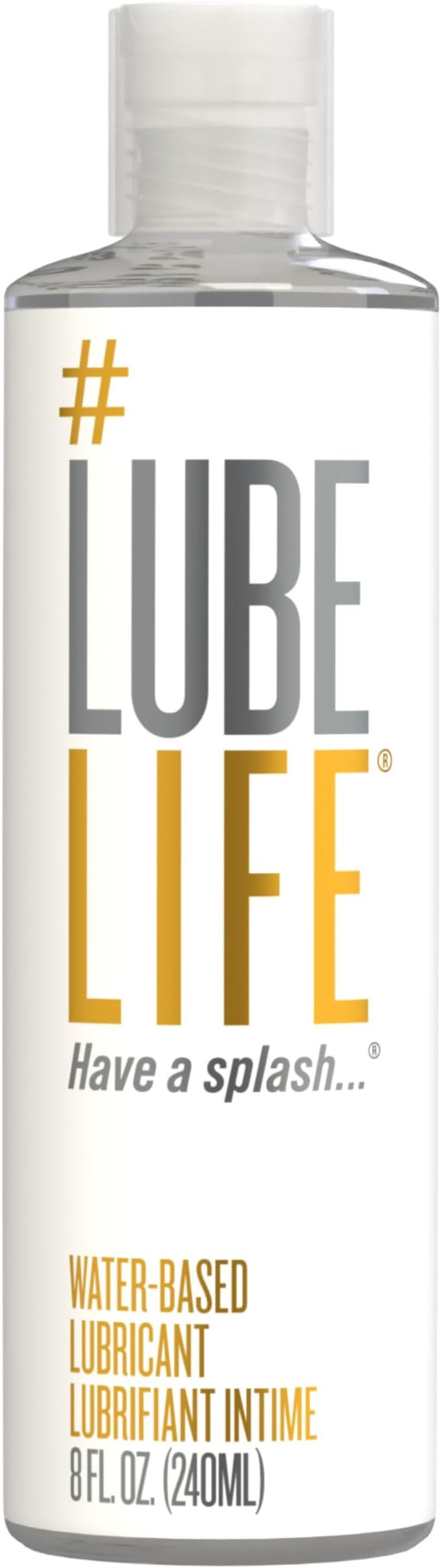
- Use lubricant. Even if you feel aroused, lubricant reduces friction and can make orgasm easier to reach.
- Manage stress. Mindfulness, yoga, therapy, or simply scheduling time for relaxation can lower anxiety levels.
- Communicate with your partner. Talk openly about what feels good and what doesn't.
Orgasm difficulties are common, but they are not something you have to accept as permanent. By paying attention to your body and seeking appropriate care, you can address both the symptoms and the root causes.