
Vaginal dryness during menopause can make everyday life uncomfortable and intimacy feel difficult. While much of the conversation focuses on what to add—lubricants, moisturizers, or hormone therapy—less attention is paid to the daily routines that may be quietly making things worse. Small, repeated habits can strip moisture and aggravate thinning tissues, yet they are often overlooked. Recognizing these patterns is the first step toward feeling more comfortable in your body.
Relying on scented soaps and intimate washes
Many women reach for perfumed body washes, bubble baths, or specialized "feminine hygiene" products, believing they are necessary for cleanliness. In reality, the vaginal area has a delicate ecosystem of bacteria and natural oils that maintain moisture and pH balance. Harsh detergents, fragrance chemicals, and antibacterial agents strip away protective oils, leaving the tissue dry, irritated, and more prone to micro-tears. Switching to plain, warm water and a mild, fragrance-free cleanser for the external area can help the body preserve its natural moisture barrier.
Skipping lubrication during sex or solo play
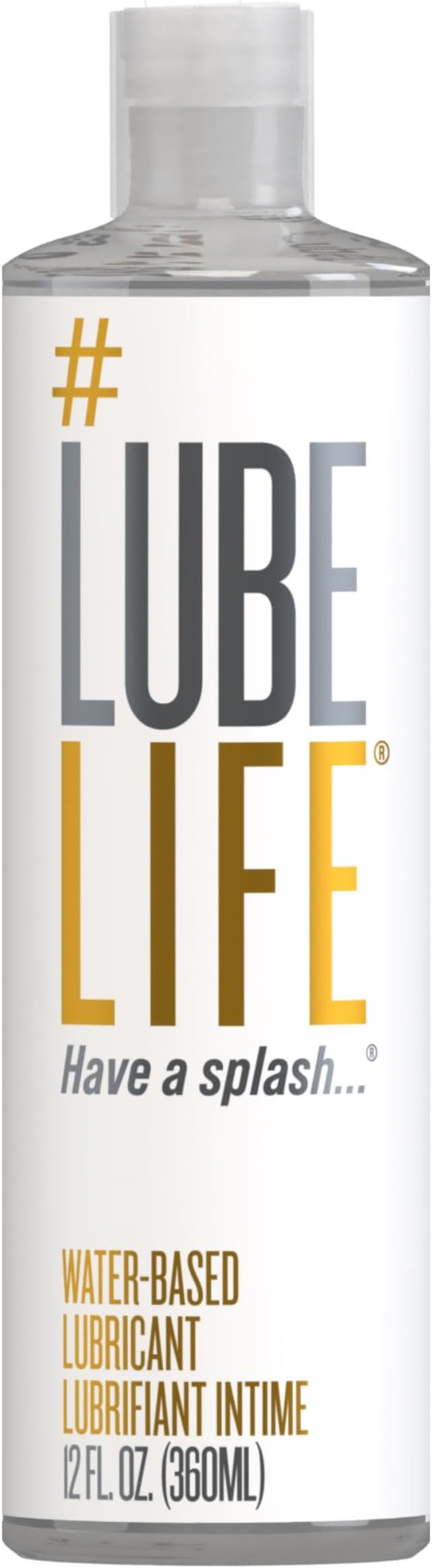
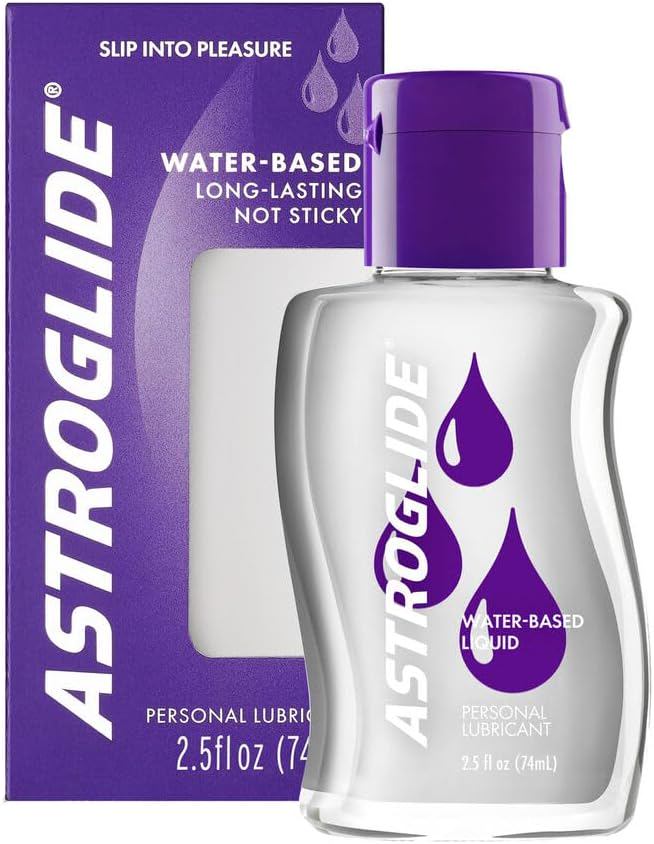
Low estrogen during menopause reduces natural lubrication, but many women still feel that using a lubricant means something is wrong with them. This stigma can lead to painful friction during intercourse, which not only causes immediate discomfort but can also trigger a cycle of pelvic floor tension and avoidance of intimacy. Lubricants are not a crutch—they are a standard tool for comfort, just as moisturizer is for dry skin. Water-based or silicone-based lubricants without added flavors, warming agents, or numbing ingredients are the safest bets. Applying it generously before and during sex can turn a painful experience into a pleasurable one, protecting the delicate vaginal tissue from injury.
Dehydrating from the inside out
Vaginal tissue is made mostly of water. When the body is dehydrated, that deficit shows up first in mucous membranes, including the eyes, mouth, and vagina. Caffeine and alcohol are mild diuretics that further deplete hydration, and many menopausal women consume both in higher amounts to cope with fatigue or stress. Even without those diuretics, simply not drinking enough water across the day undermines vaginal health. Increasing water intake to six to eight glasses daily, and cutting back on coffee and wine, can noticeably improve moisture levels over the course of a few weeks.
Letting pelvic floor tension go unaddressed
It may not be intuitive, but a tight, guarded pelvic floor can worsen sensations of dryness. Chronic stress, holding the abdomen rigid, or bracing against anticipated pain can shorten the pelvic floor muscles. This tension reduces blood flow to the vagina and vulva, and poor circulation starves the tissues of the oxygen and nutrients needed to stay supple. Gentle, consistent stretching—such as diaphragmatic breathing while lying down with knees bent, or a pelvic floor physical therapy session—can release that grip. Improved circulation encourages natural lubrication and makes the tissue more responsive to stimulation.
What to change instead
Shifting these four habits does not require a complete life overhaul. Start with one change: swap your body wash for a fragrance-free option, set a phone reminder to drink water, buy a simple lubricant before your next intimate encounter, or take five minutes each evening to breathe deeply into your belly. Each small adjustment reduces irritation and supports the vaginal tissue in doing what it was designed to do. For persistent dryness that interferes with quality of life, it is worth discussing prescription options with a healthcare provider—but for many women, these daily modifications provide significant relief.