

When you check a health tracker or a smartwatch, the number that often gets the most attention is your resting heart rate. But there is another metric, one that is far more revealing about the state of your autonomic nervous system and, increasingly, the health of your coronary arteries: heart rate variability, or HRV.
Unlike a steady pulse, a healthy heart does not beat like a metronome. The time between each beat subtly shifts—sometimes by milliseconds. This variation, known as HRV, is a sign of a responsive, adaptable nervous system. Low HRV, on the other hand, has been linked to inflammation, stress, and a higher risk of cardiovascular events. Understanding this link can give you a clearer picture of what is happening inside your arteries long before more obvious symptoms appear.
The Autonomic Nervous System and Your Heart
Your heart rate is controlled by the autonomic nervous system (ANS), which has two main branches: the sympathetic (fight-or-flight) and the parasympathetic (rest-and-digest). Heart rate variability reflects the dynamic balance between these two forces. A high HRV indicates that your parasympathetic system is active and your body is capable of shifting gears easily. A low HRV suggests that your sympathetic system is dominant, a state often associated with chronic stress, poor sleep, or underlying disease.
In the context of coronary artery health, this balance matters. The coronary arteries supply oxygen-rich blood to the heart muscle itself. When these arteries become narrowed or stiffened by plaque—a process known as atherosclerosis—the heart must work harder. This added strain can dysregulate the ANS, pushing the body toward a sympathetic-dominant state and lowering HRV.
What the Research Shows
Multiple studies have identified a consistent pattern: individuals with low HRV are more likely to have coronary artery disease (CAD). A landmark meta-analysis published in the European Heart Journal found that depressed HRV was a significant predictor of both the presence and severity of CAD. Another study in the Journal of the American College of Cardiology showed that patients with low HRV had a higher risk of sudden cardiac death, even when other traditional risk factors like cholesterol and blood pressure were controlled for.
Researchers believe the connection works in both directions. Poor coronary blood flow can damage the nerve fibers that regulate the heart, reducing HRV. At the same time, a chronically stressed nervous system can promote inflammation and endothelial dysfunction—two key drivers of plaque formation. This means that a low HRV reading may not just be a marker of existing disease but also a warning sign of future risk.
Taking a Realistic View of Your Numbers
While the science is compelling, HRV is a deeply personal metric. A “good” HRV reading for a 25-year-old athlete will look very different from a healthy reading for a 65-year-old. What matters most is your personal baseline and how your numbers trend over time. A sudden drop in HRV from your norm could indicate acute stress, illness, or a worsening of underlying coronary issues.
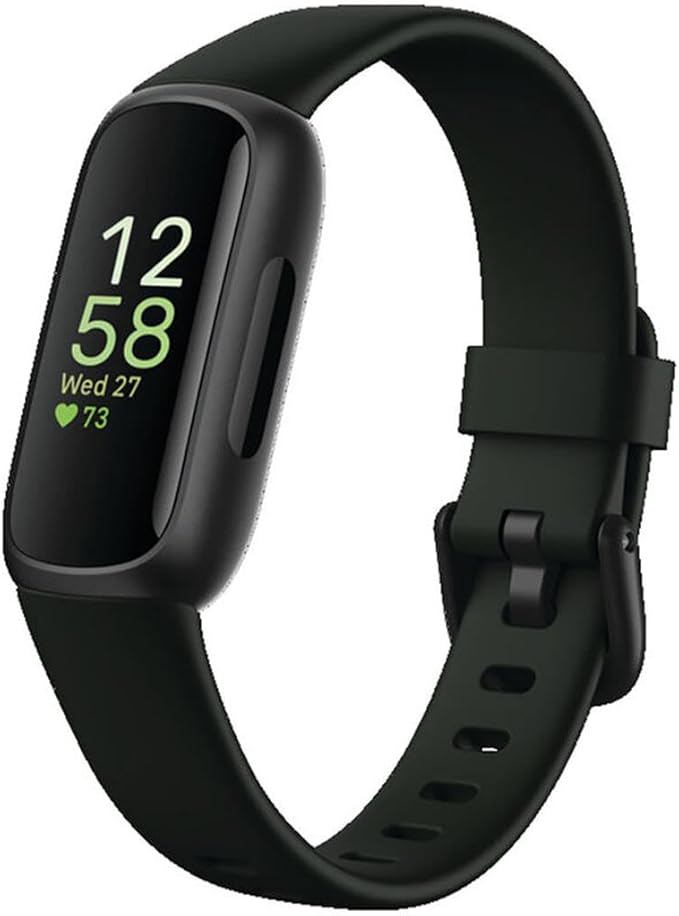
Consumer wearables that measure HRV—such as the Oura Ring, Apple Watch, and Whoop band—have made this data accessible, but they come with caveats. Wrist-based optical sensors are less accurate than clinical electrocardiograms (ECGs). Furthermore, short-term readings taken during sleep or at rest can be influenced by hydration, caffeine, alcohol, and even the phase of your sleep cycle. Do not diagnose yourself based on a single morning reading.
Lifestyle Factors That Support Both HRV and Artery Health
The good news is that the same habits that boost HRV also protect your coronary arteries. Focus on these evidence-backed strategies:
- Prioritize sleep quality: Poor sleep is one of the fastest ways to tank HRV. Aim for 7–9 hours of uninterrupted rest. Sleep apnea, in particular, is strongly associated with both low HRV and coronary artery disease.
- Manage stress deliberately: Practices like slow, deep breathing (five seconds in, five seconds out) can raise HRV in minutes. Regular meditation or even a short walk in nature helps shift the nervous system toward a parasympathetic state.
- Move your body consistently: Both aerobic exercise (walking, swimming, cycling) and recovery periods improve HRV. High-intensity training without adequate rest can, ironically, lower it.
- Limit alcohol and caffeine in the evening: Both substances can suppress HRV during the night. Keeping intake moderate—or avoiding them within a few hours of bed—supports the natural overnight restorative rise in HRV.
When to Talk to Your Doctor
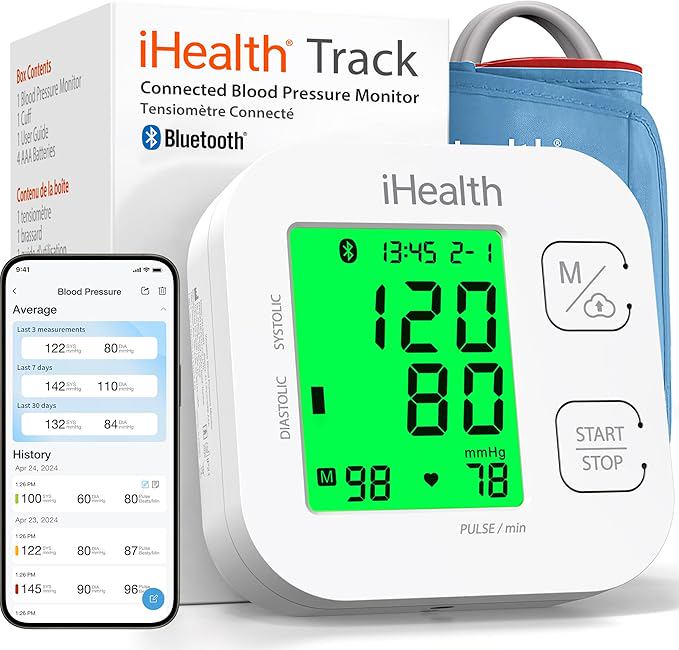
If you consistently see a low HRV trend or a sudden drop that does not improve, it is worth mentioning during your next checkup. However, HRV is not a standalone diagnostic tool. Your physician will still rely on blood pressure, cholesterol panels, blood sugar, and imaging tests (like a coronary calcium scan) to assess artery health. Think of HRV as a clue—one piece of the puzzle—not the final answer.
Your heart’s beat-to-beat timing reveals more than just rhythm; it reflects how well your body is adapting to the daily stresses that affect your arteries.
By paying attention to your HRV trends and coupling that data with healthy lifestyle habits, you can take a proactive step toward preserving both your nervous system resilience and the integrity of your coronary arteries.



![Apple Watch Series 11 [GPS 42mm] Smartwatch with Rose Gold Aluminum Case with Light Blush Sport Band - S/M. Sleep Score, Fitness Tracker, Health Monitoring, Always-On Display, Water Resistant](https://www.glowtheorylab.com/uploads/ad202604/4109b832df3b994b.webp)