Managing heart failure involves many daily decisions, but few are as directly impactful as monitoring your sodium intake. Salt is a master at holding onto water in the body. For a heart that is already struggling to pump effectively, that extra fluid can quickly lead to swelling in the legs, shortness of breath, and a heavier workload on the heart muscle.
The goal isn't to banish flavor from your kitchen, but to understand the specific sodium target that can help you feel better and stay out of the hospital. Most major heart organizations, including the American Heart Association and the Heart Failure Society of America, recommend a consistent daily limit for those living with heart failure.
What is the recommended daily sodium limit for heart failure?
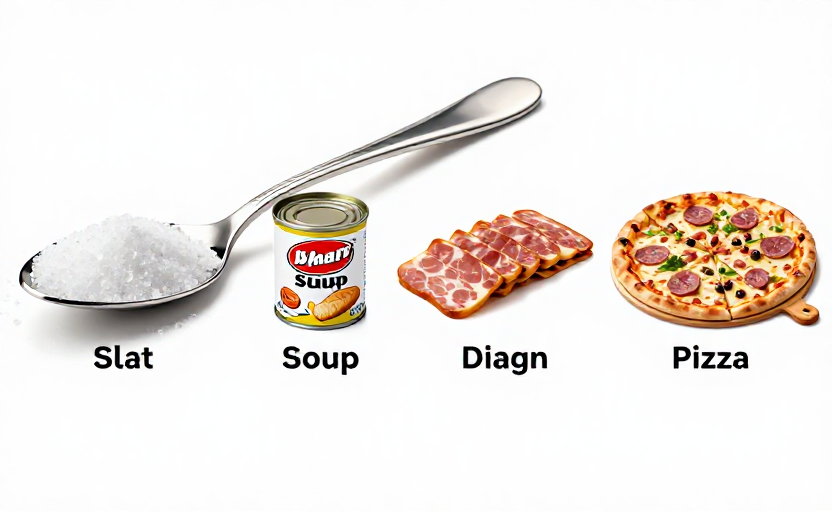
If you have heart failure, the general guideline is to keep your total sodium intake at or below 1,500 to 2,000 milligrams (mg) per day. For context, that is roughly the amount of sodium found in just one teaspoon of table salt (which contains about 2,300 mg of sodium).
This target is lower than the 2,300 mg limit recommended for the general population. Why the tighter restriction? Because reducing dietary sodium helps your body retain less fluid, which in turn reduces congestion, lowers blood pressure, and eases the strain on your heart. Some individuals with more advanced heart failure or significant fluid retention may need to aim for the lower end of this range (closer to 1,500 mg), but this should be confirmed with a cardiologist or a registered dietitian.
Why 1,500 to 2,000 mg? The science behind the number
Heart failure creates a situation where your kidneys may not efficiently excrete sodium. When you eat salty food, sodium accumulates in your bloodstream. Because sodium attracts water, your body holds onto more fluid to dilute it. This increases the total volume of blood your heart has to pump.
A key point: Even if you do not feel thirsty, a high-sodium meal can cause your weight to jump by 2 to 5 pounds overnight—which is a red flag for worsening heart failure.
Clinical research supports this range. Trials have shown that patients who adhere to a 1,500–2,000 mg daily sodium diet have fewer hospitalizations for fluid overload, less reliance on high-dose diuretics, and better overall quality of life. Exceeding this limit consistently is linked to worsening symptoms and a higher risk of acute decompensation (sudden worsening of heart failure).
A practical guide to cutting back without feeling deprived
Knowing the number is one thing. Translating it into real meals is where most people struggle. Here is a practical breakdown of where sodium hides and how to reduce it without eating bland food.
Read labels with a critical eye
Packaged foods are the primary source of excess sodium in most diets. Focus on the “% Daily Value” and the absolute mg number. As a rule of thumb:
- 5% DV or less per serving is considered low sodium.
- 20% DV or more per serving is considered high sodium.
- Aim for items that have under 300–400 mg per serving—and watch the serving size.
Identify the biggest hidden sources
You likely already avoid the salt shaker. The real challenge is processed foods that do not taste particularly salty but are loaded with sodium. These include:
- Bread and rolls (often 100–200 mg per slice)
- Cold cuts and cured meats (one serving of deli turkey can have 600–800 mg)
- Canned soups and vegetables (a single cup of soup often exceeds 800 mg)
- Frozen dinners and pizzas (frequently 1,000+ mg per meal)
- Condiments (soy sauce, ketchup, salad dressings, and pickles are concentrated sources)
- Cheese (especially processed varieties like American cheese)
Flavor your food, not with salt
A low-sodium diet does not have to be bland. Experiment with the following replacements to add depth and flavor:
- Citrus juice and zest (lemon, lime, orange)
- Fresh or dried herbs (basil, oregano, rosemary, cilantro, dill)
- Garlic and onion (fresh or powdered, not garlic salt or onion salt)
- Vinegars (balsamic, red wine, apple cider)
- No-salt seasoning blends (look for blends like Mrs. Dash or make your own)
Quick tip: When cooking pasta, rice, or oatmeal, do not add salt to the boiling water. You will save 200–300 mg per serving without noticing a difference in the final dish.
How to track your sodium throughout the day
Consistency matters more than perfection. Use a simple food diary app (like MyFitnessPal or Lose It) or a paper journal. Write down everything you eat for three days. It is common to underestimate intake by 30–50%, so tracking gives you honest data.
Additionally, weigh yourself daily at the same time each morning (after urinating, before eating or drinking). A weight gain of 2–3 pounds in one day or 5 pounds in one week is often a sign that you have exceeded your sodium limit and are retaining fluid. Report this to your healthcare team promptly.
Frequently asked questions about sodium and heart failure
Q: Is sea salt or Himalayan salt healthier for heart failure?
A: No. Sea salt, pink salt, and kosher salt all contain roughly the same amount of sodium by weight as table salt (about 2,300 mg per teaspoon). The trace minerals in specialty salts are negligible and do not change the impact on fluid retention. Treat them exactly like regular salt.
Q: Can I use salt substitutes (like potassium chloride) instead?
A: Only with your doctor's direct okay. Salt substitutes replace sodium with potassium. Many people with heart failure take medications like ACE inhibitors, ARBs, or spironolactone that raise blood potassium levels. Adding more potassium from substitutes can lead to dangerously high potassium (hyperkalemia), which can cause heart rhythm problems.
Q: Does drinking more water help flush out the sodium?
A: In heart failure, drinking extra water is not an effective way to lower sodium. Your kidneys are already struggling to remove sodium, and excessive fluid intake can worsen congestion and swelling. Follow your fluid restriction recommendations from your doctor, which often caps total fluid at 1.5–2 liters per day.
Q: Is it safe to exercise while on a low-sodium diet?
A: Yes, in most cases, with medical clearance. Light to moderate exercise is beneficial for heart failure. However, if you are sweating heavily, you lose some sodium through sweat. Do not automatically reach for sports drinks, which are high in sodium and sugar. Plain water and a healthy meal are usually sufficient to maintain electrolyte balance.
When to talk to your doctor about sodium adjustments
The 1,500–2,000 mg limit is a starting point. Your ideal target may be different based on: the severity of your heart failure (ejection fraction level), your kidney function, how well your diuretics are working, and your blood pressure trends. If you consistently follow the target but still gain weight or feel short of breath, your doctor may adjust your medications or recommend a stricter limit under medical supervision. Conversely, if you feel weak or dizzy, you might need a slightly higher intake—but this should always be decided by your healthcare team.
Remember: sodium management is a pillar of heart failure care, but it works best when combined with medication adherence, daily weight monitoring, and regular follow-up visits. Small, consistent changes in your kitchen can make a significant difference in how you feel every day.