
Irritability can feel like an unwelcome passenger on an already full train. One minute you are going about your day, the next a small frustration—a slow checkout line, a notification ping—lands with disproportionate weight. While anyone can have an off day, frequent or sudden bouts of irritability often signal that the nervous system is running low on what it needs. And the food choices you make in those moments can either steady the ride or throw it further off balance.
What you eat directly shapes the chemistry of mood. Blood sugar swings, dehydration, magnesium deficits, and gut-brain inflammation all feed the fire of irritability. The foods that help restore calm do not need to be exotic or expensive. They are the ones that nourish the brain's stabilizing systems, blunt stress hormones, and keep glucose evenly distributed through the afternoon. Think of them as edible anchors.
Why blood sugar stability matters
The most common dietary driver of irritability is a sharp drop in blood glucose. When glucose falls, the body releases adrenaline and cortisol to raise it back up—and those stress hormones are the same ones that make your voice sharp and your patience thin. Eating meals and snacks that combine protein, healthy fat, and fiber slows digestion and prevents the classic spike-and-crash pattern.
Instead of reaching for a sugary granola bar or a plain bagel when you feel yourself getting edgy, shift toward foods that release energy gradually. A handful of almonds with a small apple, a hard-boiled egg with a few whole-grain crackers, or plain Greek yogurt with berries can take the edge off within 20 to 30 minutes.
The quickest way to stop an irritability spiral is to eat something that won't spike your blood sugar in the first place.
Magnesium: the relaxation mineral
Magnesium is involved in hundreds of enzymatic reactions, many of which govern the nervous system's ability to calm down. When levels are low—and they frequently are, thanks to processed diets and chronic stress—the brain has a harder time activating GABA, the primary inhibitory neurotransmitter that promotes relaxation. This can leave you feeling wired, tense, and quick to snap.
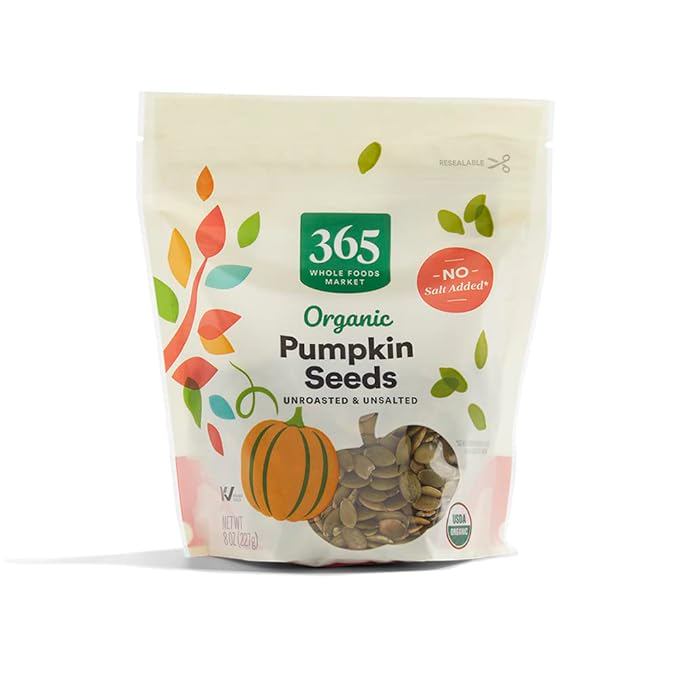
Foods rich in magnesium include pumpkin seeds, spinach, Swiss chard, almonds, cashews, black beans, and dark chocolate (at least 70% cacao). A small square of dark chocolate can be a deliberate, sensory act: let it melt slowly. The magnesium content is modest, but the ritual of pausing to eat something bittersweet and satisfying can itself interrupt the irritation loop.
Omega-3 fatty acids and mood resilience
The brain is about 60% fat, and the type of fat you eat influences the fluidity of cell membranes and the regulation of inflammation. Omega-3 fatty acids—especially EPA and DHA—help reduce the inflammatory cytokines that can cross the blood-brain barrier and contribute to irritability and low mood. Epidemiologic studies have consistently linked higher omega-3 intake with lower rates of mood disturbance.
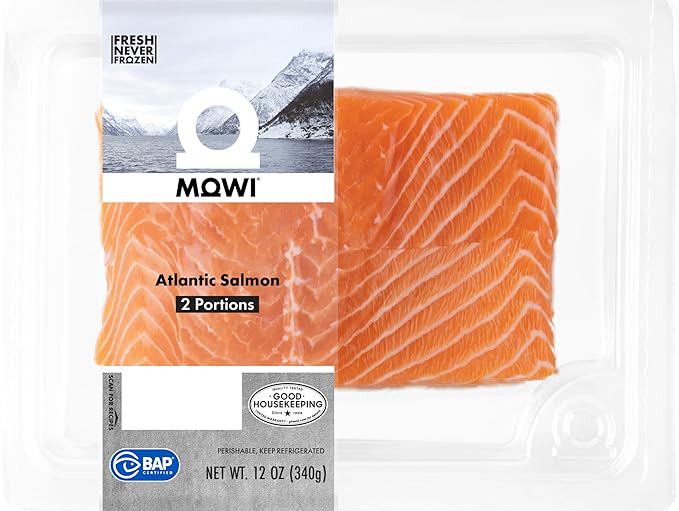
Fatty fish such as salmon, mackerel, sardines, and anchovies are the most direct sources. For those who prefer plant-based options, ground flaxseed, chia seeds, and walnuts contain alpha-linolenic acid (ALA), which the body converts to EPA and DHA at a low rate. It is worth including these foods regularly rather than trying to fix a moment of irritability with a single serving; the benefit is cumulative.
Gut-brain foods that keep inflammation at bay
The gut and brain are in constant communication via the vagus nerve and via inflammatory signals. When the gut lining is irritated—by processed foods, too much sugar, or lack of fiber—inflammatory molecules travel upward and can amplify feelings of aggression or unease. Supporting a healthy gut microbiome is a long-term strategy that also produces short-term benefits.
Fermented foods like sauerkraut, kimchi, kefir, and yogurt (unsweetened) provide live bacteria that can dampen inflammatory responses. High-fiber foods such as oats, lentils, artichokes, and leafy greens feed the beneficial bacteria that produce short-chain fatty acids, which have direct anti-inflammatory effects. A warm bowl of lentil soup with a spoonful of yogurt on top hits the sweet spot of protein, fiber, and probiotics all at once.
What about caffeine?
Caffeine is a tricky one. For some people, a morning cup is a clarifying ritual. For others, particularly those prone to anxiety or sensitive to stimulants, even one cup can elevate cortisol and mimic the jittery feeling of irritability. When you are already on edge, adding caffeine can tip you from tense to agitated. If you notice that your irritable spells cluster after your second or third cup, try a gradual swap to green tea, which contains L-theanine, an amino acid that promotes a relaxed alertness without the crash.
Simple swaps for irritable moments
You do not need a complete pantry overhaul. Sometimes a single substitution at the right time makes the difference. Instead of a mid-afternoon latte, try a cup of rooibos tea. Instead of a store-bought cookie, have two dates stuffed with a walnut. Instead of chips, try a handful of pumpkin seeds. Each of these choices supplies a steadier stream of fuel and a dose of the specific nutrients that support calm.
When food is not enough
Food can be a powerful foundation, but it is not a cure-all. Persistent irritability that lasts for weeks, interferes with relationships, or co-occurs with sleep disruption, hopelessness, or physical symptoms like fatigue deserves professional attention. A registered dietitian can help identify nutritional gaps, and a therapist or physician can help rule out underlying conditions such as depression, anxiety disorders, or thyroid imbalances. Let food be part of the solution, not the whole answer.
Building a steady, calm mood does not require following a rigid meal plan. It simply means paying attention to the moments when irritability arrives and asking: Have I eaten recently? Did I eat protein and fat with that last meal? Could I use a handful of seeds and a few minutes of quiet? The answers might not erase the irritability entirely, but they will almost always soften its edges.