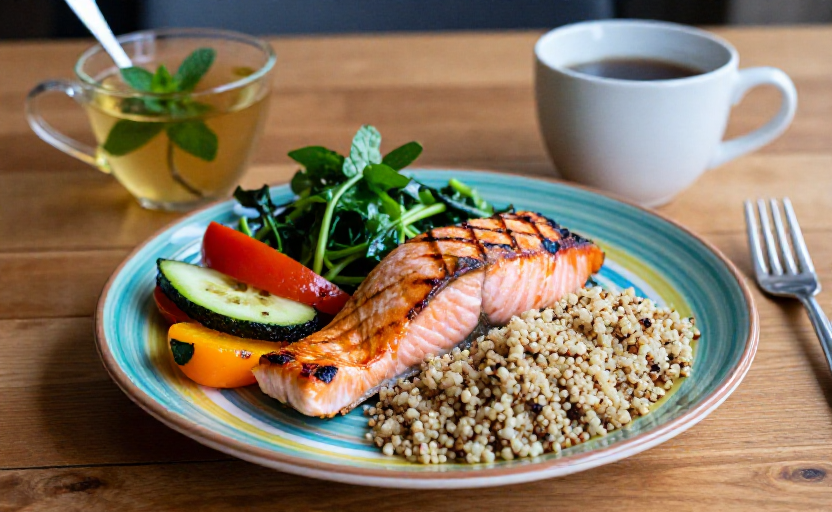
When you have Polycystic Ovary Syndrome (PCOS), your hormone levels can feel like they have a mind of their own. Androgens—often thought of as male hormones, though everyone produces them—can run higher than what is balanced for a female body. This imbalance can show up as stubborn acne, unwanted hair growth, scalp thinning, and irregular cycles. While medication has its place, what you put on your plate is one of the most direct ways you can nudge your hormones back toward balance.
Here is the straightforward truth: you cannot eat your way out of PCOS overnight, but the right foods can steadily support healthier androgen levels. This is not about a punishing diet. It is about building meals that work with your metabolism, not against it. Below, we break down the specific foods and eating patterns that research shows can help lower or regulate elevated androgens—without requiring you to live on kale and misery.
Why does food affect androgens in PCOS?
The connection between food and androgens runs through insulin. In many women with PCOS, the body does not use insulin efficiently. This condition, called insulin resistance, forces the pancreas to pump out extra insulin to keep blood sugar under control. High insulin levels then tell the ovaries to produce more testosterone and other androgens. It is a chain reaction that starts in your gut and ends in your hormone receptors.
The goal of eating for healthy androgen levels is to steady your blood sugar and lower that insulin surge. When insulin drops, androgen production tends to follow. This is why the foods that help balance blood sugar are the same foods that help balance androgens—they work hand in hand.
Anti-inflammatory vegetables and leafy greens
Chronic inflammation is common in PCOS, and it can further disrupt androgen production. Vegetables are your first line of defense because they are packed with fiber, antioxidants, and phytochemicals that help calm inflammation.
Focus on color. Dark leafy greens like spinach, kale, and Swiss chard provide magnesium, which some research suggests may help reduce free testosterone. Cruciferous vegetables—broccoli, cauliflower, Brussels sprouts, cabbage—contain a compound called indole-3-carbinol that supports the liver in metabolizing estrogen and androgens more efficiently. This does not mean you need to eat a giant salad at every meal. Aim to fill half your plate with vegetables at lunch and dinner, and you are on the right track.
Quick tip: Steaming or sautéing cruciferous vegetables lightly makes their beneficial compounds more available than eating them completely raw.
High-fiber carbohydrates that do not spike blood sugar
This is the part where many people get confused. Carbohydrates are not the enemy with PCOS. The problem is refined carbs—white bread, sugary cereals, chips, pastries—that hit your bloodstream fast and cause a big insulin spike. Instead, choose complex carbs that digest slowly.
- Beans and lentils – They are high in both fiber and protein, which slows digestion and keeps blood sugar stable. They also provide magnesium and zinc, minerals that play a role in androgen regulation.
- Whole oats, quinoa, and barley – These grains have a low glycemic index, meaning they raise blood sugar gradually. Steel-cut oats make a better choice than instant packets.
- Sweet potatoes and winter squash – They offer complex carbs with fiber and beta-carotene. Keep the skin on for extra fiber.
When you eat carbohydrates, always pair them with protein and fat—this buffer keeps your insulin response gentle. A handful of almonds with an apple is a better choice than that apple alone.
Lean protein at every meal
Protein helps stabilize blood sugar because it slows the digestion of carbohydrates and promotes fullness. It also provides amino acids that your body uses to build hormones and enzymes. For PCOS, lean sources are best because too much saturated fat can contribute to inflammation.
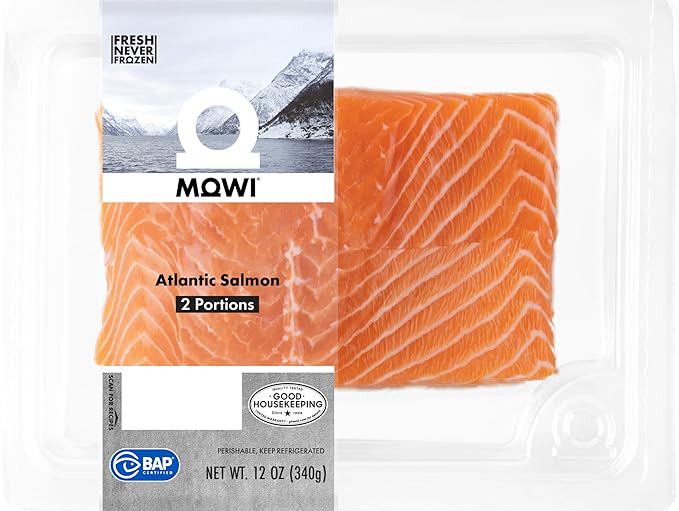
Consider fish like salmon, sardines, and mackerel—they are rich in omega-3 fatty acids, which have been shown to reduce inflammation and may help lower free testosterone levels. Chicken breast, turkey, eggs, tofu, and legumes are all solid choices. If you eat red meat, keep it to once or twice a week and choose lean cuts.
Aim to include a palm-sized portion of protein at each main meal. If you snack, make it something like Greek yogurt, a hard-boiled egg, or a small handful of nuts rather than something sugary.
Healthy fats that support hormone function
Fats are not the enemy—your hormones literally need fat to be built. The trick is to choose fats that reduce inflammation rather than promote it.
- Extra-virgin olive oil – Rich in polyphenols, it has anti-inflammatory properties. Use it as your main cooking oil or on salads.
- Avocados – They provide monounsaturated fat and fiber, both of which support stable blood sugar and hormone production.
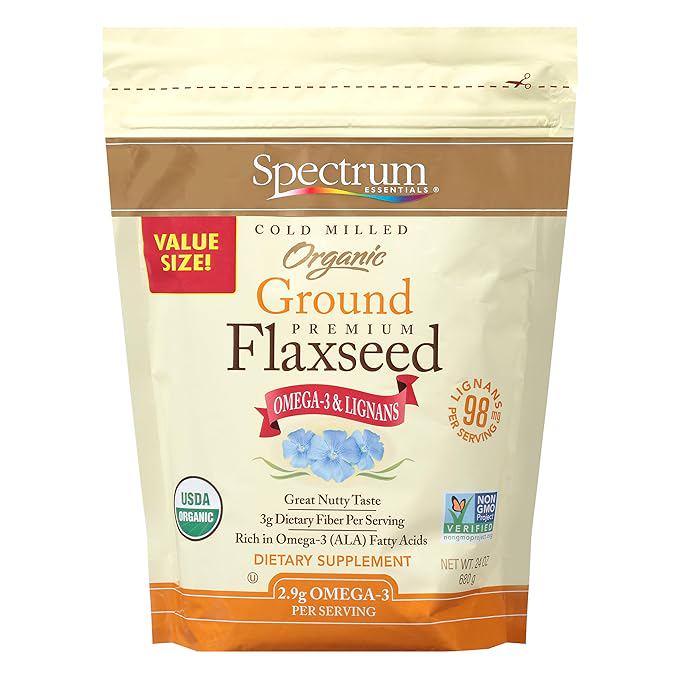
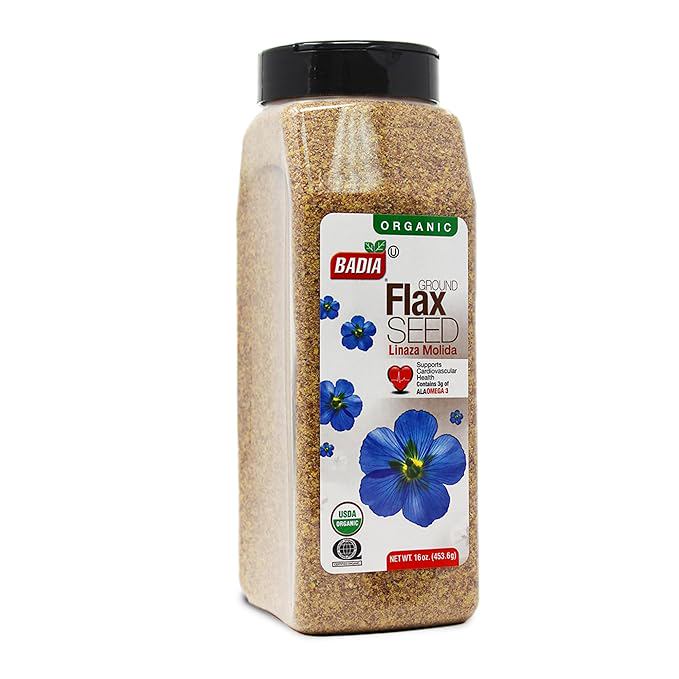
- Nuts and seeds – Walnuts, almonds, flaxseeds, and chia seeds offer omega-3s and magnesium. Flaxseeds also contain lignans, which may modestly help with hormone balance.
- Fatty fish – As mentioned above, the omega-3s in fish are particularly helpful for lowering inflammation and possibly reducing androgen activity.
Do not be afraid to cook with healthy fats. The goal is to avoid trans fats and highly processed vegetable oils like soybean or corn oil, which can promote inflammation.
Spices and herbs that may lower androgens
Some kitchen staples do more than add flavor. Spearmint tea has attracted attention for its potential to lower free testosterone. A few small studies have shown that women with PCOS who drank two cups of spearmint tea daily experienced a reduction in free testosterone levels after several weeks. The effect is modest but real, and spearmint tea is a pleasant, zero-calorie beverage.
Cinnamon is another friend for PCOS. It may improve insulin sensitivity, which indirectly reduces androgen production. Sprinkle it on oatmeal, yogurt, or even in coffee. Turmeric, ginger, and rosemary also have anti-inflammatory effects that support overall hormone health. They will not replace medical treatment, but they make excellent additions to a balanced eating plan.
What to limit for better androgen balance
You can eat all the right foods and still struggle if your diet is heavy on sugar and processed items. Sugary drinks—soda, sweetened coffee, fruit juice—are the worst offenders because they send insulin soaring almost immediately. Even natural sugars like honey and maple syrup can add up if you consume them in large amounts.
Dairy is a gray area for PCOS. Some women find that reducing dairy helps with acne and inflammation, but the research is not conclusive for everyone. If you suspect dairy affects your symptoms, try cutting it out for two to three weeks and see how you feel. If you tolerate it fine, full-fat Greek yogurt and small amounts of cheese are okay.
Alcohol can disrupt blood sugar regulation and liver function, and the liver is crucial for hormone clearance. If you drink, do so in moderation and pay attention to how it affects your cycle and symptoms.
Building a diet that supports healthy androgen levels does not have to be complicated. Focus on whole, minimally processed foods. Fill your plate with vegetables, lean protein, healthy fats, and fiber-rich carbs. Keep sugar and refined grains to a minimum. Hydrate well with water and consider adding spearmint tea if you enjoy it. Stay consistent over weeks and months rather than expecting a quick fix. Food is a gentle but powerful tool—it works best when you let it work slowly.