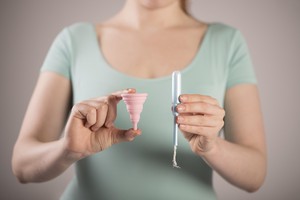
Heavy bleeding is one of the most common reasons people give for stopping hormonal contraception. Whether you're on the pill, the patch, the ring, or a hormonal IUD, spotting and heavy flow can be frustrating and disruptive. Dietitians who specialize in women's health point out that while the prescription manages your cycle, the food on your plate can do a lot to stabilize the uterine lining and support blood volume.
Below, we walk through the nutrients and food patterns that research and clinical experience suggest can help manage breakthrough bleeding and heavy periods while you're on hormonal birth control. As always, these are general dietary strategies, not a substitute for talking with your healthcare provider about persistent symptoms.
Why does hormonal contraception sometimes cause heavy bleeding?
Hormonal birth control works by delivering synthetic versions of estrogen and progesterone, which change how the uterine lining (endometrium) builds up and sheds. In some people, the lining becomes unstable and sheds irregularly, leading to spotting or heavy flow, especially in the first few months. Diet can help strengthen that lining and support the body's clotting and iron stores.
Iron-rich foods to counteract blood loss
Every time you bleed heavily, you lose iron. Over time, this can lead to iron-deficiency anemia, which causes fatigue, brain fog, and shortness of breath. Dietitians recommend pairing heme iron sources (the form your body absorbs most easily) with vitamin C to maximize uptake.
- Red meat, poultry, and fish are the most absorbable sources. Aim for a serving of lean beef, chicken liver, or sardines a few times a week.
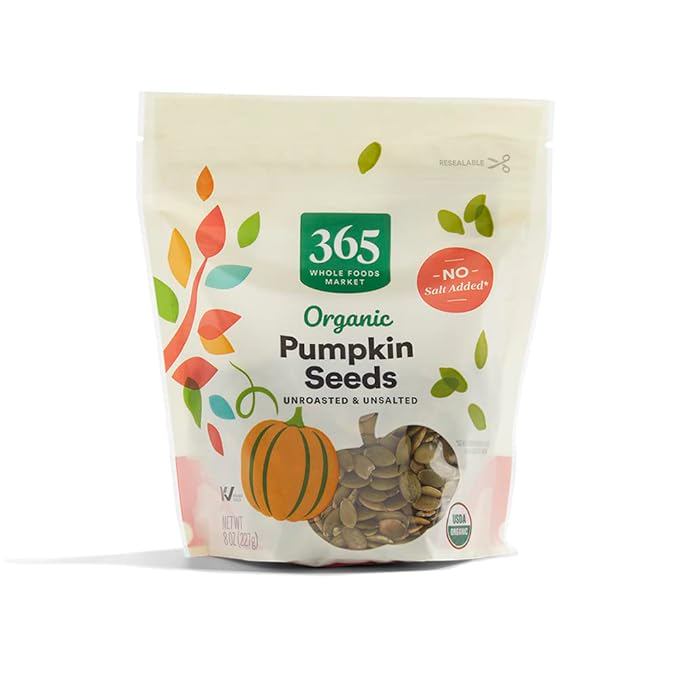
- Plant-based iron from lentils, spinach, fortified cereals, and pumpkin seeds also counts. Just be sure to add a squeeze of lemon or a side of bell peppers to boost absorption.
- Avoid pairing iron meals with coffee or tea—tannins can block absorption by as much as 60 percent. Wait an hour after eating to drink them.
Vitamin C to stabilize blood vessels
Vitamin C isn't just for immunity. It helps produce collagen, a protein that keeps the blood vessels in your uterine lining strong. When those vessels are fragile, bleeding can be heavier. Citrus fruits, kiwi, strawberries, bell peppers, and broccoli are all excellent sources. Dietitians often suggest adding a vitamin C-rich food to every meal, especially if you're also eating iron-rich foods.
Omega-3 fatty acids for hormone balance and inflammation
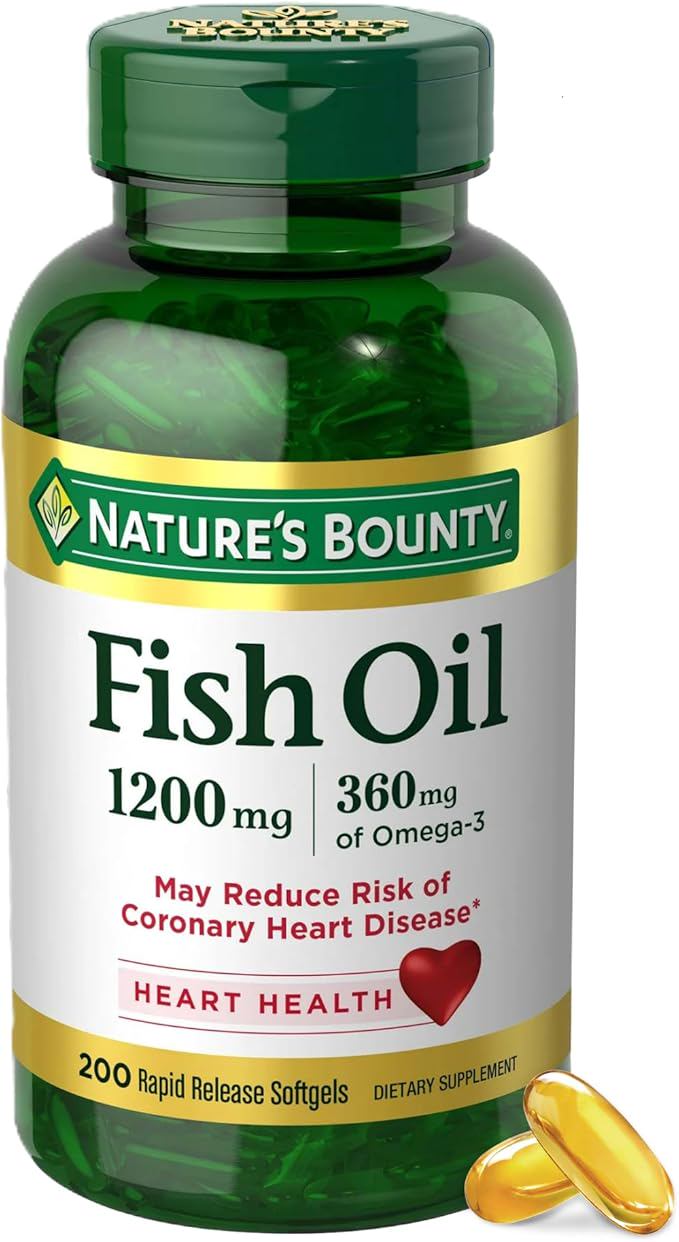
Heavy bleeding can be fueled by inflammation in the pelvic area. Omega-3 fatty acids are natural anti-inflammatories, and they also help your body respond more smoothly to the synthetic hormones in birth control. Fatty fish (salmon, mackerel, anchovies), flaxseeds, chia seeds, and walnuts are the top choices. Some dietitians recommend two servings of fatty fish per week, or a fish oil supplement after checking with your doctor.
B vitamins, especially folate and B12
B vitamins are central to red blood cell formation and tissue repair. A 2024 review in Nutrients noted that women on hormonal contraception often have lower blood levels of folate and B12. Leafy greens, beans, eggs, and fortified grains can help replenish them. If you follow a vegan or vegetarian diet, you may need a B12 supplement.
Magnesium to reduce cramping and stabilize mood
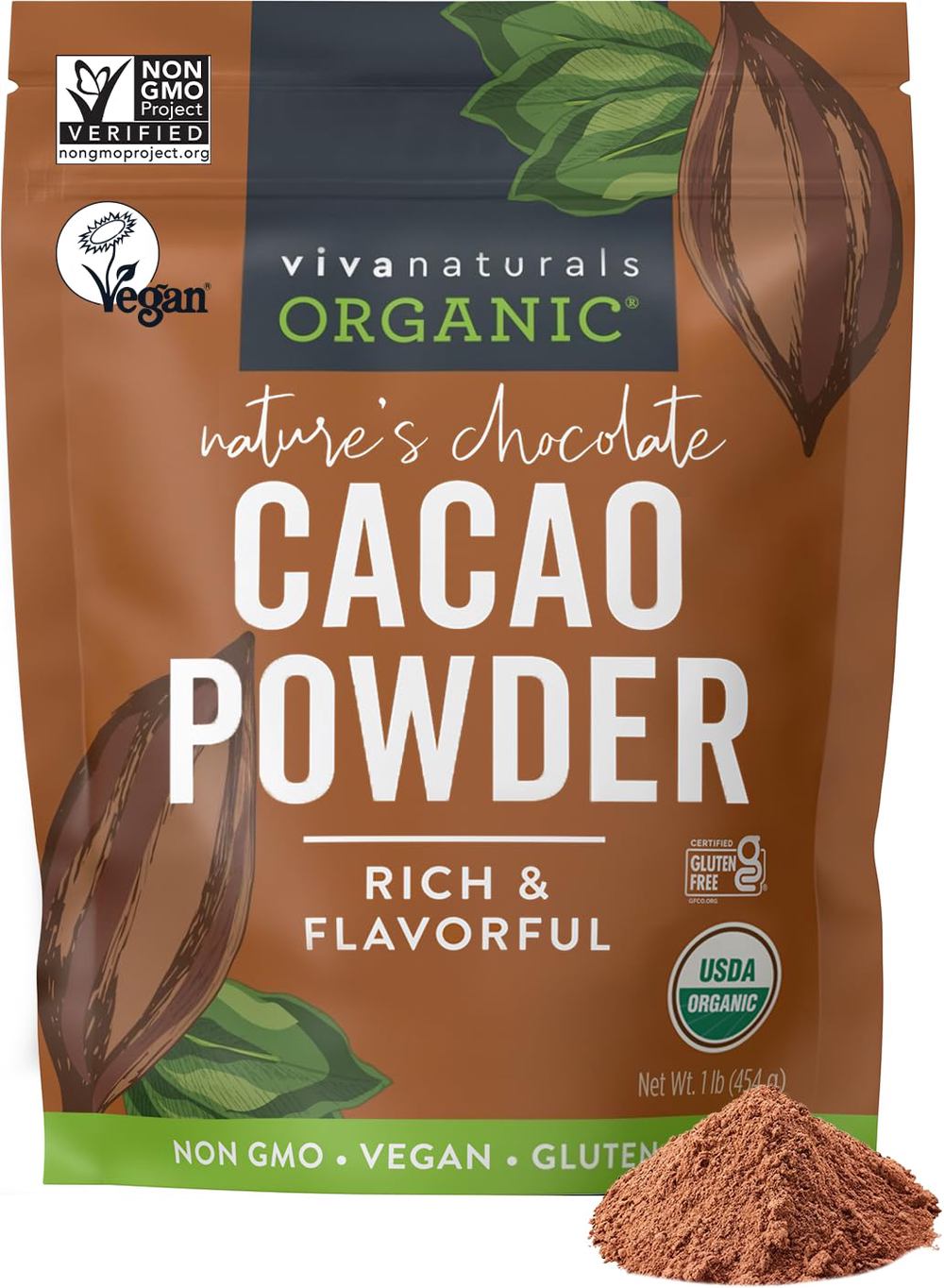
Magnesium deficiency is common among people who experience heavy periods, and it can worsen cramps and anxiety. Hormonal birth control also slightly increases magnesium needs. Dark chocolate (70%+ cocoa), pumpkin seeds, almonds, spinach, and black beans are all concentrated sources. A simple swap? Replace your afternoon cookie with a square of dark chocolate and a handful of nuts.
Zinc for tissue repair and clotting
Zinc helps your body heal the uterine lining after shedding. It also supports proper blood clotting. Oysters are the superstar source, but you can also get zinc from beef, pumpkin seeds, chickpeas, and cashews. Dietitians note that even a mild zinc deficiency can prolong bleeding time.
What to limit (or avoid)
Just as certain foods support a stable lining, others can irritate the uterus and increase flow. Caffeine constricts blood vessels initially, but the rebound can increase bleeding. Alcohol thins the blood and stresses the liver, which is already working to metabolize your contraception. High-sodium processed foods can worsen bloating and fluid retention. And some dietitians suggest reducing added sugar, since insulin spikes can disrupt hormone signaling.
Tip: If you notice breakthrough bleeding after eating a very sugary meal or drinking a lot of coffee, try reducing those for a week and see if the pattern changes.
Sample meal ideas that support a stable cycle
You don't need to follow a rigid meal plan. Just aim to include two or three of the key nutrients at each meal.
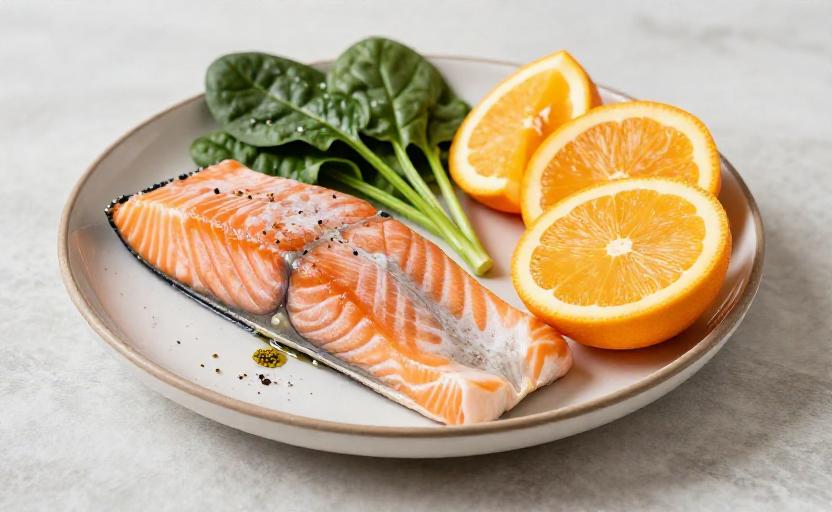
- Breakfast: Scrambled eggs (B12, iron) with sautéed spinach (iron, magnesium, folate) and a side of orange slices (vitamin C).
- Lunch: Lentil soup made with tomatoes and bell peppers (iron + vitamin C) topped with pumpkin seeds (zinc, magnesium).
- Dinner: Grilled salmon (omega-3s, B12) with roasted broccoli (vitamin C, fiber) and quinoa (magnesium, iron).
- Snack: A small square of dark chocolate (magnesium, iron) and a handful of almonds (zinc, vitamin E).
When to talk to a dietitian or your prescriber
If heavy bleeding persists beyond three cycles, or if you feel dizzy, weak, or short of breath, it's time to check in with your healthcare team. They may want to adjust your contraception dose or switch your method. A registered dietitian can help you build an eating pattern that meets your higher needs for iron and B vitamins without counting every milligram.
The food you eat won't override the hormonal effects of your birth control, but it can make your own physiology more resilient. Think of it as building a stronger foundation—steady iron, stable blood vessels, and a well-nourished uterus so that when your period does come, it's less likely to disrupt your life.