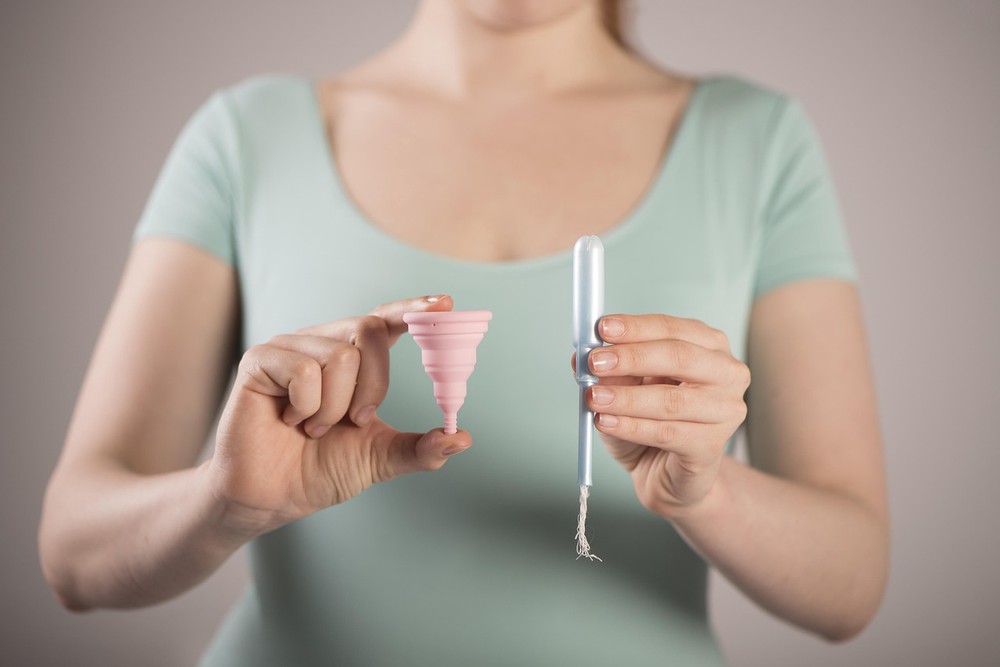
Heavy menstrual flow can be physically draining and logistically challenging. When bleeding is especially heavy, a regular pad or tampon may not feel sufficient, leading to constant checking, leaks, and discomfort. Choosing a product that matches your flow level and lifestyle is key to staying comfortable and confident throughout your period. This guide breaks down the main options, their pros and cons, and practical factors to consider.
What does “heavy flow” actually mean?
Clinically, heavy menstrual bleeding (menorrhagia) means soaking through one or more pads or tampons every hour for several consecutive hours, or having periods that last longer than seven days. For everyday purposes, you know your flow is heavy if you routinely need to change protection every one to two hours, experience clots larger than a quarter, or have to double up on products. Because needs vary by person and by cycle, the “right” product depends on your specific patterns, comfort preferences, and daily routine.
Menstrual cups: volume and duration
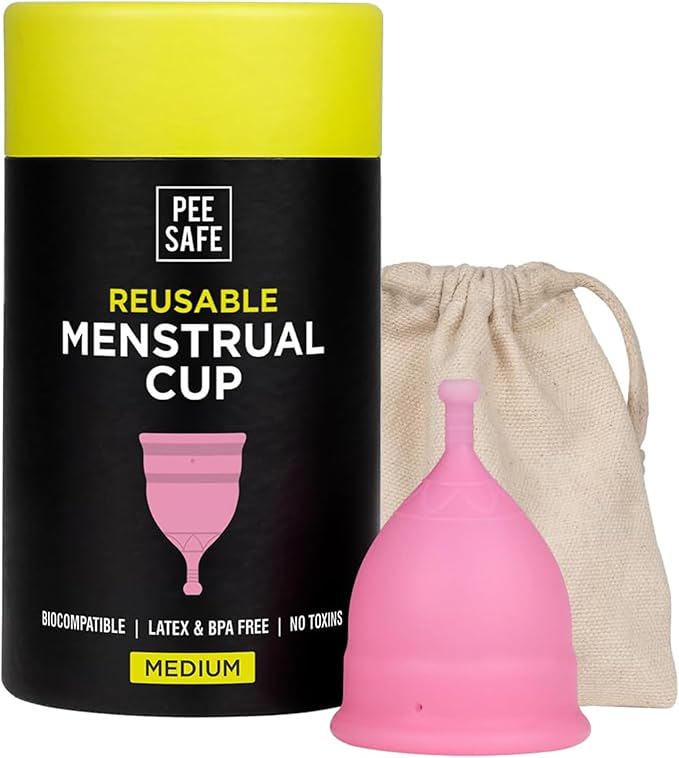
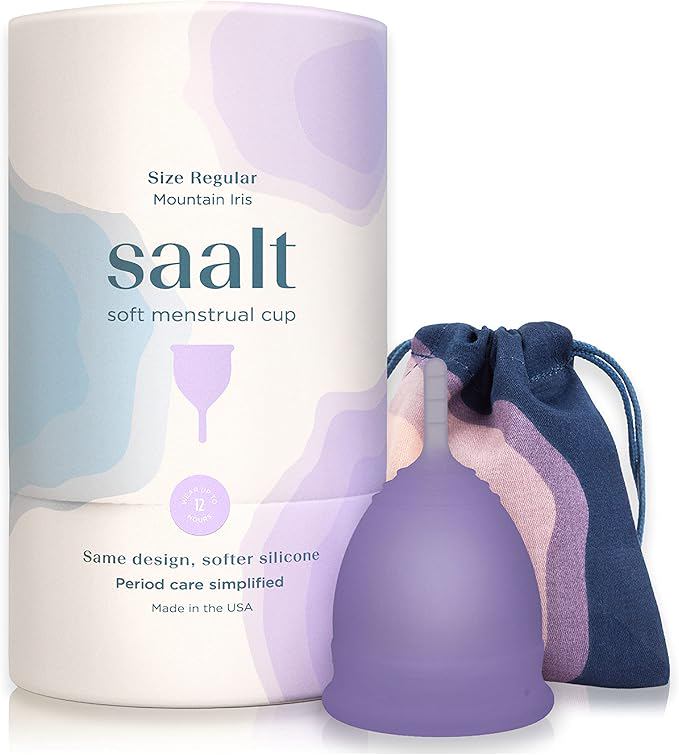
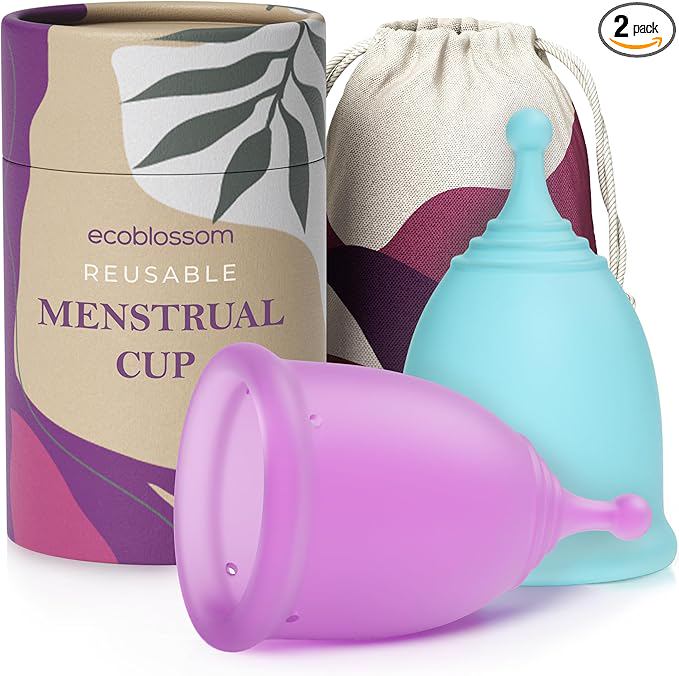
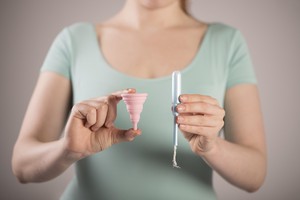
A menstrual cup is a reusable, bell-shaped device made of medical-grade silicone or rubber that sits inside the vagina and collects menstrual fluid. Cups are widely considered one of the most effective options for heavy flow because they hold significantly more fluid than a typical tampon or pad—usually 20 to 40 milliliters, compared to a tampon’s 5 to 10 milliliters. Many users report needing to empty the cup only every 8 to 12 hours, even on their heaviest days, though capacity varies by brand and fit.
However, a cup requires a learning curve. Getting a proper seal, understanding your cervix height, and comfortable insertion and removal take a few cycles for most people. Once you get the hang of it, a cup can be worn overnight, during exercise, and while swimming without worrying about leaks. If you choose a cup, look for a “high capacity” model or one specifically marketed for heavy flow. Keep in mind that a cup that is too soft or too small may leak, while a cup that is too firm can cause pressure. It is also essential to clean it between each empty cycle with warm water and mild, unscented soap.
Period underwear: layering and absorbency ratings
Period underwear has become a popular low-maintenance option, but not all pairs are designed for heavy flow. When shopping for heavy flow, you want to look for absorbency ratings labeled “heavy” or “overnight,” as these have extra layers of absorbent fabric (often a mix of cotton, polyester, and a waterproof membrane) in the gusset area. Some heavy-flow pairs can hold the equivalent of four to five regular tampons.
For heavy bleeding, period underwear works best as backup for a cup or tampon, or for days when you are at home and can change pairs every 4 to 6 hours. Some users wear a pair overnight as a standalone product, but this depends on your personal volume. When rinsing and washing, follow care instructions carefully—harsh detergents or fabric softeners can damage the absorbent layers. Because period underwear is reusable, it is a sustainable choice, but you will need enough pairs to get through a cycle, especially if you want to change them several times a day.
Tampons and pads: capacity and correct sizing
Traditional disposable products still work for heavy flow, but you need to choose the right absorbency. For tampons, “super plus” and “ultra” absorbencies are designed for heavy days and can hold 12 to 18 grams of fluid. However, the FDA advises using the lowest absorbency that handles your flow to reduce the risk of toxic shock syndrome (TSS). If you need to change a super-plus tampon in less than two hours, a cup or a higher-capacity alternative may be a better fit. Pads for heavy flow come in extra-long lengths (often 10 to 13 inches) with wider backs and added wings. Nighttime pads are thicker and longer, making them useful for overnight protection or when you are lying down for extended periods.
Both pads and tampons require frequent changes during heavy flow—every 2 to 4 hours is a reasonable guideline. If you find you are changing pads or tampons more often than that, consider combining products or switching to a reusable option with higher capacity.
Combination approaches: using more than one product
Many people with heavy flow find that using two products at the same time provides the most security. Common combinations include:
- Menstrual cup with a thin pad or period underwear as backup
- Tampon with a mini pad
- Period underwear with a reusable cloth pad
This layered approach means that even if a small leak occurs, you have coverage. It also allows you to stretch the time between changes without anxiety. For example, you can wear a cup during the day and swap to period underwear or a heavy pad at night when you are not able to empty the cup as frequently.
Disposable discs: an emerging option
Menstrual discs are similar to cups but differ in shape and placement. They sit higher in the vaginal fornix, near the cervix, and are often sold as disposable items (though reusable silicone discs are also available). Discs have a larger capacity than standard tampons—some hold about the same as a small cup—and can be worn for up to 12 hours. Because of their shape, discs are also favored by some users for mess-free period sex. However, they can be tricky to insert correctly, and proper placement is essential to prevent leaking. If you find cups uncomfortable or hard to seal, a disc may be a worthwhile alternative to try.
Key factors to help you decide
To narrow down which product will work best for your heavy flow, consider these questions:
- How long do you go between changes? If you need 8-hour coverage at work or school, a cup or disc is more practical than a tampon or pad.
- Do you have access to a clean bathroom? Reusable products require cleaning with soap and water. If your facilities are shared or public, you may prefer disposables or extra pairs of period underwear.
- What is your activity level? For swimming or intense exercise, a cup or disc is usually more reliable than a tampon. For yoga or stretching, period underwear or a pad may feel more comfortable.
- Are you comfortable with internal products? Some people prefer external options (pads, period underwear) for personal comfort or medical reasons. External products for heavy flow are often thicker and may feel bulky, so test different brands and lengths.
- Do you want a reusable option? Cups, discs, period underwear, and cloth pads reduce waste and cost over time. If you are willing to invest in several products upfront, you will save money in the long run compared to buying disposables every month.
Quick tip: If you are trying a menstrual cup or disc for the first time, wait for a lighter flow day to practice insertion and removal. This reduces frustration and avoids a messy start.
When to talk with a healthcare provider
Heavy menstrual bleeding can sometimes signal an underlying condition, such as fibroids, endometriosis, polyps, or a hormonal imbalance. If you regularly soak through pads or tampons every hour, feel dizzy, are short of breath, or find that your heavy flow is affecting your daily life, it is a good idea to consult a healthcare professional. They can help you identify the cause and discuss management options, which may include medication, hormonal therapy, or other treatments—but the choice of period product remains a personal preference. You know your body best: if a product feels uncomfortable or causes irritation, stop using it and try something different.
Ultimately, picking the right menstrual product for heavy flow is about matching capacity, comfort, and lifestyle. There is no single best option—only what works best for you during each phase of your cycle. By understanding the differences in absorbency, fit, and maintenance, you can make an informed choice that keeps you confident and protected.