
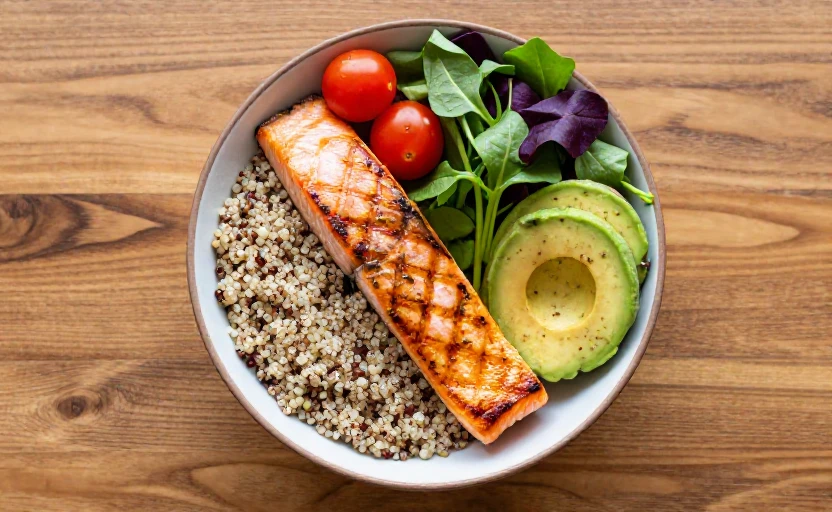
That midday slump is a familiar feeling for many of us. The post-lunch fog, the mental drag, the creeping anxiety that makes focusing on the afternoon’s tasks feel impossible. Often, we blame our workload or lack of sleep, but what if the solution was on your plate? The foods you choose for lunch can act as powerful tools, either supporting a steady, calm mind or sabotaging your focus and mood.
This isn't about restrictive dieting or chasing a fleeting energy spike. It's about understanding how specific nutrients influence brain chemistry—supporting the production of calming neurotransmitters, protecting brain cells, and providing sustained energy. By making a few intentional swaps, your lunch can become a cornerstone for a more resilient and focused state of mind.
How Food Influences Your Mind
Think of your brain as the most demanding organ in your body. It uses about 20% of your body's energy, yet it can't store fuel. It relies on a constant, steady supply from the food you eat. The quality of that fuel directly impacts its function.
Foods high in refined sugars and simple carbohydrates cause a rapid spike in blood sugar, followed by a sharp crash. This rollercoaster can manifest as irritability, anxiety, and brain fog. Conversely, meals built on complex carbohydrates, healthy fats, and quality protein provide a slow, steady release of glucose—the brain's primary fuel source—promoting stable energy and mood.
Beyond energy, specific nutrients are precursors to neurotransmitters. For instance, the amino acid tryptophan (found in turkey, nuts, and seeds) is needed to produce serotonin, a key regulator of mood and calm. Omega-3 fatty acids, abundant in fatty fish, are crucial for building brain cell membranes and have been linked to reduced anxiety.
Building Blocks of a Calm & Focused Lunch
Instead of a rigid meal plan, focus on incorporating these key elements. A balanced plate that includes several of these components is your goal.
Complex Carbohydrates for Steady Fuel
Choose whole, fiber-rich sources that digest slowly. These help maintain stable blood sugar levels, preventing the energy crashes that trigger stress and distraction.
- Whole grains: Quinoa, brown rice, farro, barley, or whole-wheat bread/pasta.
- Starchy vegetables: Sweet potatoes, squash, or peas.
- Legumes: Lentils, chickpeas, black beans, and other beans.
Aim for color and variety—different plant foods provide different phytonutrients that support overall brain health.
Quality Protein for Neurotransmitter Support
Protein provides the amino acids your brain uses to manufacture neurotransmitters like serotonin and dopamine, which influence focus and mood.
- Plant-based: Lentils, tofu, tempeh, edamame, chickpeas.
- Animal-based: Grilled chicken, salmon, tuna, eggs, plain Greek yogurt.
Healthy Fats for Brain Structure
The brain is nearly 60% fat. Including anti-inflammatory fats supports cognitive function and may help modulate the body's stress response.
- Omega-3s: Wild-caught salmon, sardines, walnuts, chia seeds, flaxseeds.
- Monounsaturated fats: Avocado, olive oil, almonds, cashews.
Colorful Vegetables for Antioxidants
Oxidative stress can impair brain function. Antioxidants from vibrant vegetables combat this.
- Leafy greens: Spinach, kale, arugula—rich in folate and vitamin K.
- Cruciferous veggies: Broccoli, cauliflower, Brussels sprouts.
- Other bright choices: Bell peppers, beets, carrots.
Lunch Ideas to Get You Started
Translating principles into practice can be simple. Here are a few balanced ideas that are easy to prepare ahead or assemble quickly.
A Nourishing Bowl: Start with a base of quinoa or mixed greens. Add a large scoop of lemon-herb chickpeas or baked tofu, a generous portion of roasted broccoli and sweet potato, half an avocado, and a sprinkle of pumpkin seeds. Drizzle with a simple olive oil and lemon juice dressing.
The Focus-Forward Salad: Combine spinach, shredded kale, grilled salmon (canned works in a pinch), cherry tomatoes, cucumber, and a handful of walnuts. Toss with a vinaigrette made with olive oil and apple cider vinegar.
A Warm & Comforting Option: A hearty lentil soup loaded with vegetables like carrots, celery, and spinach, served with a slice of whole-grain bread. The fiber and protein from the lentils provide lasting satiety and steady energy.
Foods and Habits to Be Mindful Of
Just as some foods support calm, others can undermine it. This isn't about prohibition, but about informed choice.
Heavy, greasy fast food can lead to physical sluggishness and mental fog. Sugary sodas, juices, or snacks create that blood sugar spike and crash, often increasing feelings of anxiety. Excessive caffeine, especially on an empty stomach or in the afternoon, can heighten jitteriness and disrupt later sleep, creating a cycle of fatigue.
How you eat matters, too. Eating at your desk while working often leads to mindless overeating and poor digestion. If possible, step away for even 15 minutes. Eat slowly, chew thoroughly, and pay attention to your body's signals of fullness. Staying hydrated with water throughout the day is also critical, as even mild dehydration can impair concentration.
Your lunch is more than just midday fuel; it's an opportunity to nourish your nervous system. By choosing foods that provide steady energy, essential building blocks, and protective compounds, you actively support a calmer, more resilient, and focused mind for the rest of your day.