
The kind of day that leaves your shoulders tight and your mind replaying numbers — bank balances, bills, unexpected costs — calls for more than just a glass of water. After hours of financial worry, your nervous system is likely stuck in a low-grade fight-or-flight mode. What you eat for dinner matters here. The right combination of nutrients can help lower cortisol, stabilize blood sugar, and shift your body toward calm.
This isn't about a single "magic" food. It's about building a plate that supports your brain and adrenal system after stress. Below are practical, science-backed choices to consider for your evening meal.
Why dinner matters after a stressful financial day
When you're worried about money, your body releases cortisol and adrenaline. These hormones are helpful in short bursts, but when they linger into the evening, they interfere with sleep, digestion, and mood. Dinner is your opportunity to signal to your body that the danger has passed. By choosing foods that promote serotonin production, stabilize blood glucose, and provide key minerals, you help your nervous system shift into "rest and digest" mode.
Build a plate around complex carbohydrates
Carbohydrates often get a bad reputation, but after a high-stress day, they are your ally — provided you choose the right kind. Complex carbs like sweet potatoes, quinoa, brown rice, or whole-grain pasta help your brain produce serotonin. Serotonin is a neurotransmitter that promotes calm and well-being. Unlike refined carbs (white bread, sugary snacks), complex carbs release glucose slowly, preventing the blood sugar spikes and crashes that can worsen anxiety.
Aim to fill about a quarter of your plate with a high-quality complex carb source. Think roasted sweet potato wedges, a serving of farro, or a small bowl of lentils.
Include lean protein for amino acid support
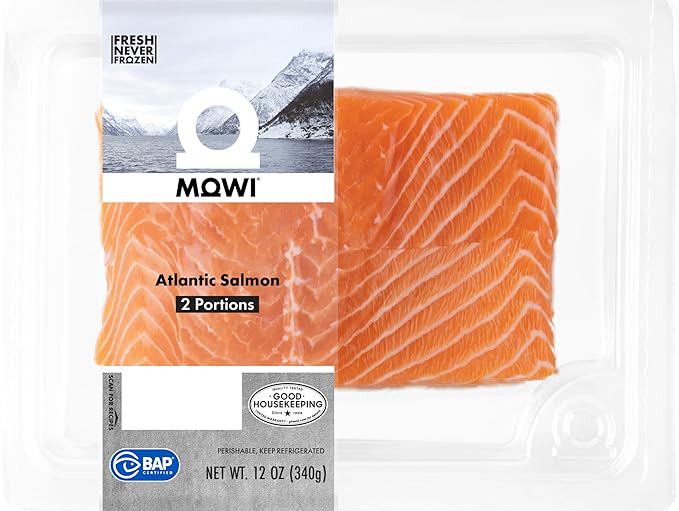
Protein provides the amino acid tryptophan, which your body needs to produce serotonin. Chicken, turkey, eggs, tofu, or fish are excellent choices. Fatty fish like salmon or mackerel also contain omega-3 fatty acids, which have been shown to reduce inflammation and lower cortisol levels. A palm-sized portion of protein at dinner helps stabilize mood and prevents the late-night urge to snack on sugar.
Don't forget magnesium-rich foods
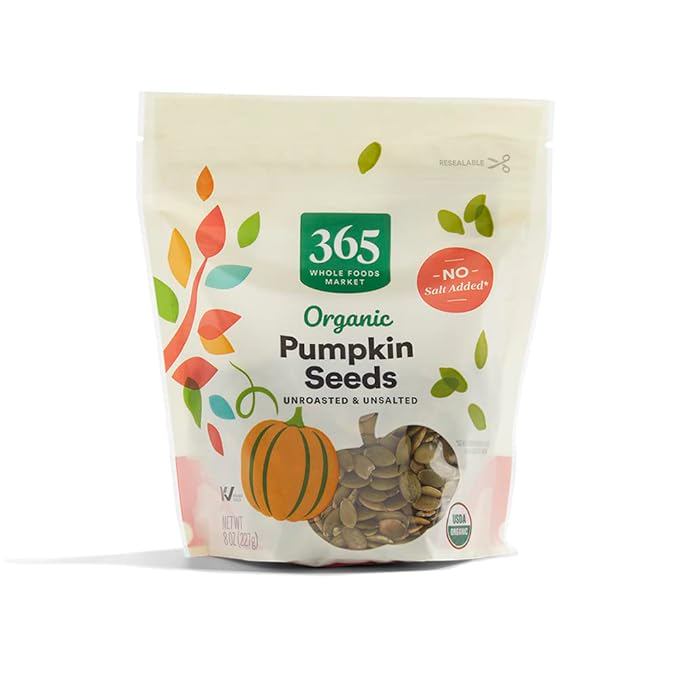
Magnesium is sometimes called the "relaxation mineral" for good reason. It helps regulate the nervous system and can improve sleep quality. Financial stress depletes magnesium levels, so replenishing them is essential. Foods rich in magnesium include dark leafy greens (spinach, kale), pumpkin seeds, almonds, black beans, and avocado. Including a side of sautéed greens or a small salad with pumpkin seeds can make a real difference.
- Spinach or Swiss chard — sauté with garlic for a quick side dish.
- Pumpkin seeds — sprinkle over a grain bowl or roasted vegetables.
- Black beans or chickpeas — add to a stew or salad for extra fiber and magnesium.
Consider vitamin C and B vitamins
Vitamin C helps clear cortisol from the bloodstream. Bell peppers, broccoli, and citrus fruits are good sources. B vitamins, especially B6 and B12, support the adrenal glands and help regulate mood. A dinner plate that includes colorful vegetables — red bell peppers, carrots, or roasted broccoli — covers multiple bases at once.
What to avoid at dinner after a stressful day
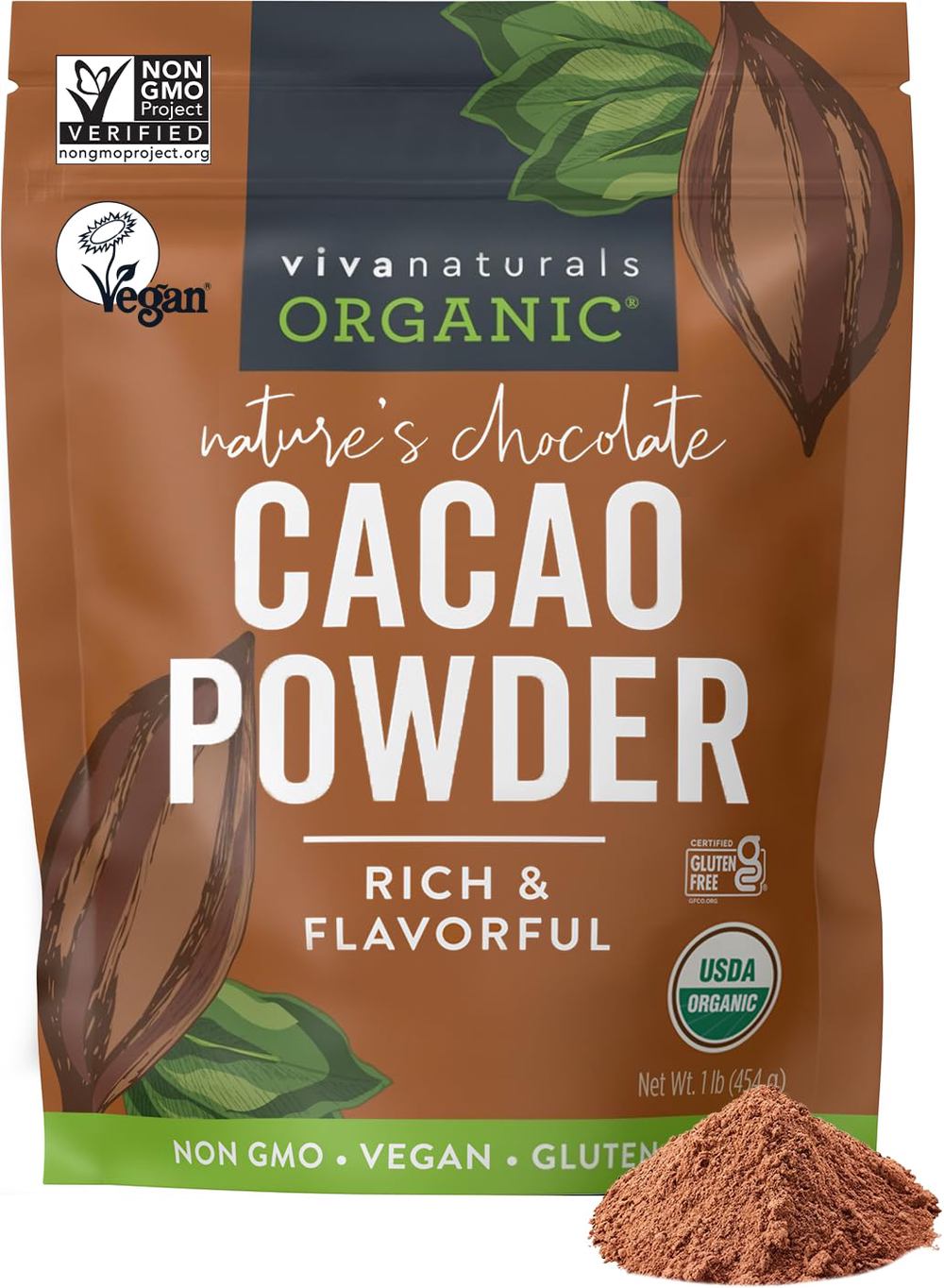
It's tempting to reach for comfort foods like pizza, pasta with white flour, or a glass of wine. But alcohol, caffeine, and high-sugar foods can spike cortisol and disrupt sleep. Caffeine late in the day keeps your nervous system on alert. Sugary desserts cause a rapid rise and fall in blood sugar, which can trigger anxiety. Instead, end your meal with a piece of dark chocolate (at least 70% cocoa) or a cup of chamomile tea if you want something soothing.
Sample low-stress dinner ideas
You don't need elaborate recipes. Here are three simple plates that combine these principles:
- Salmon with roasted sweet potato and sautéed spinach. Omega-3s, complex carbs, and magnesium in one meal.
- Chicken breast with quinoa and a side of steamed broccoli drizzled with olive oil. Lean protein, whole grains, and vitamin C.
- Black bean and avocado bowl with brown rice and pumpkin seeds. Plant-based, high in fiber and magnesium, with healthy fats.
The goal is not perfection. Even making one or two of these shifts — swapping white rice for quinoa, adding spinach to your plate, choosing fish over red meat — can help your body recover from a tense day. Over time, these small choices build resilience.
If you're short on time or energy, a simple baked salmon fillet with a microwaved sweet potato and a handful of baby spinach takes less than 20 minutes. After a day of financial worry, that's enough.