If you live with polycystic ovary syndrome (PCOS), you already know it is about more than irregular cycles or hormonal shifts. At the root of many PCOS symptoms lies a persistent, low-grade inflammation. This is not the acute redness of a sprained ankle; it is a quieter, systemic fire that can worsen insulin resistance, fatigue, and even fertility challenges. The encouraging news is that food is one of the most direct ways you can help cool that fire.
Below, we will unpack what inflammation looks like in PCOS and pinpoint the specific foods and eating patterns that target it at the source—without gimmicks or extreme restrictions.
Why inflammation runs high in PCOS
In PCOS, the body’s cells often send out a higher number of inflammatory signals. Visceral fat (the deeper belly fat) also releases pro-inflammatory compounds called cytokines. This creates a loop: inflammation worsens insulin resistance, and insulin resistance makes it harder for the body to manage blood sugar, which then fuels more inflammation.
This is why a diet that lowers inflammation may improve ovulation rates, energy levels, and long-term metabolic health. Dietitians recommend focusing on foods that either dampen these signals or that avoid triggering them in the first place.
The key players in an anti-inflammatory PCOS plate
There isn’t one single “superfood” that fixes everything. What matters is the overall pattern: eating plenty of fiber, healthy fats, lean protein, and a wide variety of colorful plants. Here is what that looks like in practice.
Fiber-rich carbohydrates with a low glycemic impact
Refined carbohydrates—white bread, sugary cereals, crackers—send blood sugar and insulin soaring. Over time that spike encourages inflammation. The fix is not to avoid carbs but to choose slower-burning ones.
- Whole grains: Quinoa, oats, barley, brown rice, and whole-grain sourdough.
- Legumes: Lentils, chickpeas, black beans, and edamame.
- Starchy vegetables in moderation: Sweet potato and winter squash (paired with a protein or fat to blunt the glucose response).
A simple swap: Replace white rice or pasta with lentils or cauliflower rice at least three times per week. The fiber slows digestion and supports healthy gut bacteria—a key player in controlling systemic inflammation.
Omega-3 fatty acids, nature’s anti-inflammatory
Omega-3s can reduce the production of inflammatory molecules. Many women with PCOS do not get enough of these fats from food.
- Fatty fish: Salmon, mackerel, sardines, herring, and anchovies (aim for two servings per week).
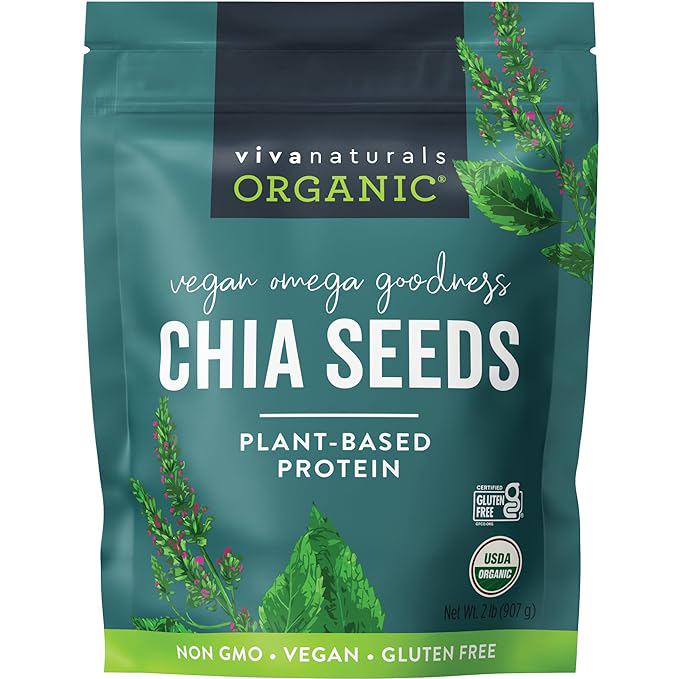
- Plant sources: Walnuts, chia seeds, flaxseeds, and hemp seeds.
- Marine algae oil: A suitable alternative if you avoid fish—look for docosahexaenoic acid (DHA) content on the label.
Antioxidant-dense vegetables and fruit
Antioxidants neutralize free radicals that damage cells and trigger inflammation. The goal is to eat the rainbow. Deeply colored produce tends to have the highest concentration of protective compounds.
- Leafy greens: Spinach, kale, arugula, Swiss chard.
- Red and purple produce: Berries (blueberries, strawberries, blackberries), cherries, red cabbage, beets.
- Orange and yellow produce: Carrots, bell peppers, turmeric (often added to curries or golden milk).
- Allium family: Onions and garlic—both contain quercetin and sulfur compounds that support detoxification and reduce inflammatory markers.
High-quality protein at every meal
Protein stabilizes blood sugar and keeps you satisfied. When blood sugar stays steady, the body releases less insulin, and fewer inflammatory signals travel through the bloodstream.
- Lean animal protein: Chicken, turkey, eggs, plain Greek yogurt, and cottage cheese.
- Plant protein: Tofu, tempeh, lentils, and a moderate amount of unsweetened protein powder if needed.
What to reduce (not necessarily eliminate)
A restrictive mindset can backfire by raising cortisol, which itself fuels inflammation. Instead of a banned list, think of these items as occasional rather than daily.
- Sugar-sweetened beverages: Soda, sweet tea, and flavored lattes spike glucose and insulin rapidly.
- Ultra-processed snacks: Chips, packaged cookies, and fast food often contain refined oils and additives that encourage inflammation.
- Excess alcohol: Alcohol is metabolized in the liver and can increase oxidative stress. A single serving of wine or beer is fine for most, but more than that may worsen inflammatory markers.
- Trans fats and highly processed seed oils: Found in many baked goods and margarines. Always check ingredient labels for partially hydrogenated oils.
Sample meal rhythm for a lower-inflammation day
You do not need elaborate recipes to put this into action. Here is a loose framework you can adapt to your appetite and schedule.
Breakfast: Steel-cut oats topped with a handful of blueberries and two tablespoons of ground flaxseed. Side of scrambled eggs or a scoop of plain Greek yogurt.
Lunch: Big salad with mixed greens, grilled salmon, chickpeas, sliced avocado, and a lemon-tahini dressing.
Snack: A small apple with almond butter, or celery sticks with hummus.
Dinner: Stir-fried tofu or chicken with broccoli, bell peppers, and snap peas over a small portion of quinoa. Drizzle with a ginger-turmeric sauce.
Supplements worth considering, with caution
Food comes first, but certain supplements have shown modest benefits for inflammatory markers in PCOS in small clinical studies. Always run supplements by your healthcare provider, because individual needs vary and some can interfere with medications.
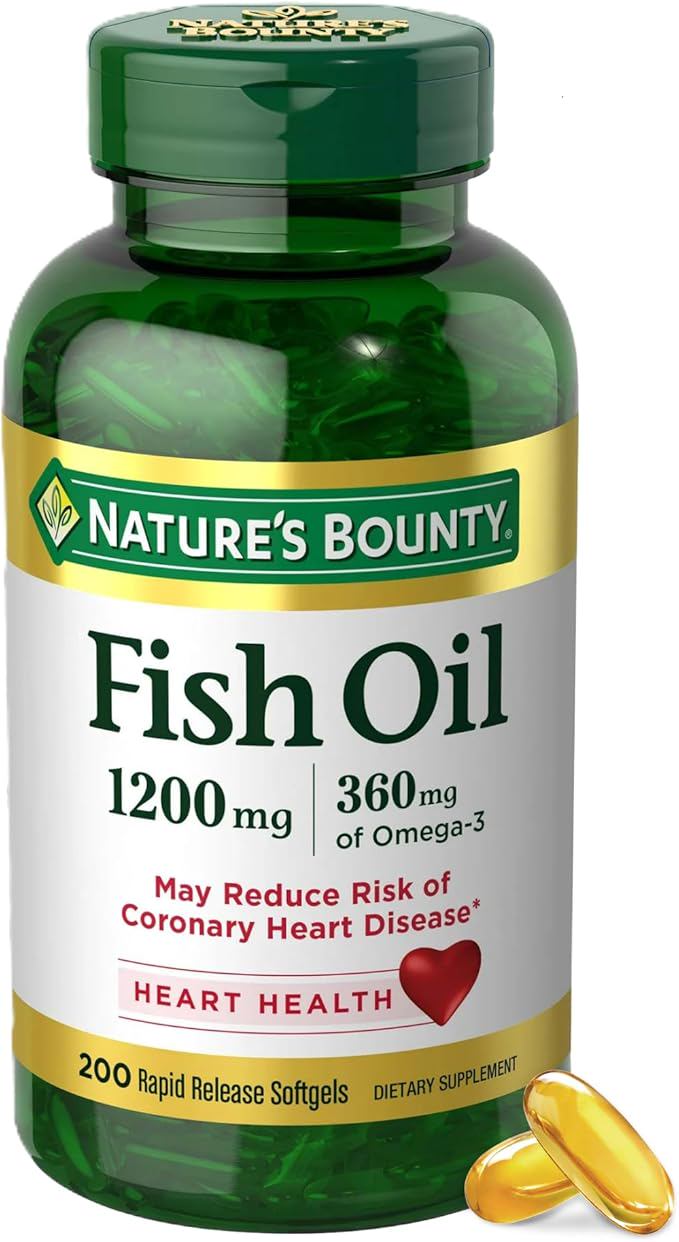
- Omega-3 (fish oil): May lower triglycerides and reduce markers like C-reactive protein. A typical dose discussed in studies is 1–2 grams of combined EPA/DHA daily, but again, your own provider should guide this.
- Vitamin D: Many women with PCOS are deficient, and low vitamin D is linked to higher inflammation. A blood test can confirm whether you need a supplement.
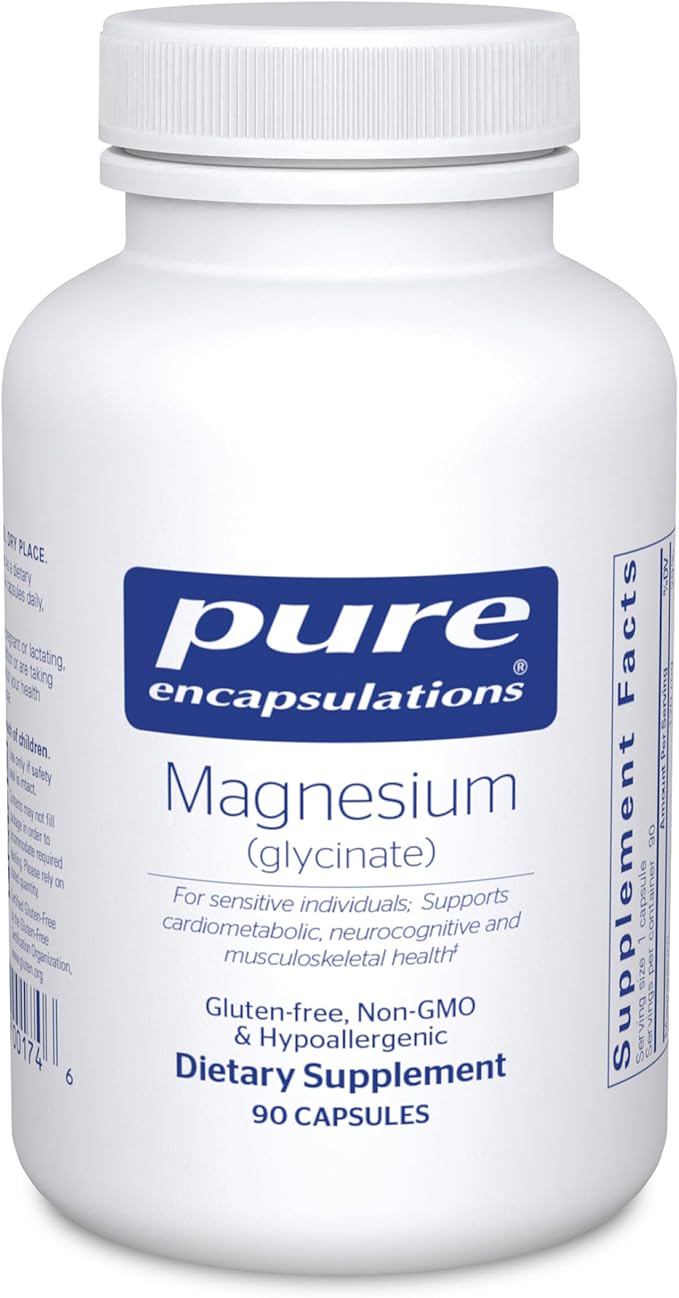
- Magnesium: Helps regulate blood sugar and may improve sleep quality, which indirectly reduces stress-driven inflammation. Magnesium glycinate is often gentler on the stomach.
Inositol is another commonly mentioned supplement for PCOS—it primarily targets insulin resistance rather than inflammation directly, though the two are closely linked. Discuss it with your dietitian or doctor.
Quick actionable takeaways to start today
- Fill half your plate with non-starchy vegetables at lunch and dinner.
- Include a protein source at every meal (eggs, poultry, tofu, or legumes).
- Eat fatty fish or take an omega-3 supplement as advised by your clinician.
- Swap sugary drinks for water, herbal tea, or sparkling water with lemon.
- Eat whole fruit instead of fruit juice to keep fiber intact.
Above all, approach these changes gently. Reducing inflammation is not a seven-day detox project; it is a sustained pattern that supports your body's natural balance. Over weeks and months, consistent food choices—not perfection—will make the real difference.