
For anyone navigating Polycystic Ovary Syndrome (PCOS), the aftermath of a good workout can feel like a mixed bag. Exercise is one of the most effective tools for managing insulin resistance and supporting hormonal balance, but it also triggers a normal inflammatory response as muscles repair. In PCOS, this baseline inflammation is often already elevated, making the recovery phase a critical window for dietary choices.
Choosing the right beverage after a sweat session isn't about trendy superfoods — it's about working with your biology. Certain drinks contain compounds that can help cool down the inflammatory cascade, support stable blood sugar, and aid muscle recovery without adding excess sugar or hormones. Below are three science-backed options that fit seamlessly into a PCOS-friendly lifestyle.
1. Unsweetened Tart Cherry Juice
Tart cherry juice stands out in the research for its high concentration of anthocyanins, the pigments that give cherries their deep red color. These are potent antioxidants that directly target inflammatory pathways. A 2021 study in the Journal of the International Society of Sports Nutrition found that tart cherry juice significantly reduced markers of inflammation like C-reactive protein (CRP) and interleukin-6 following intense endurance exercise.
For PCOS, this matters because elevated CRP is a common finding and is linked to worse metabolic outcomes. Tart cherry juice also contains melatonin, which can improve sleep quality — another cornerstone of PCOS management.
Tip: Choose 100% unsweetened tart cherry juice (often sold as tart Montmorency cherry juice). Dilute 4–6 ounces with water or sparkling water to cut the natural sugar load while still getting the anti-inflammatory benefit.
2. Beetroot Juice (Low-Sugar or Fresh-Pressed)
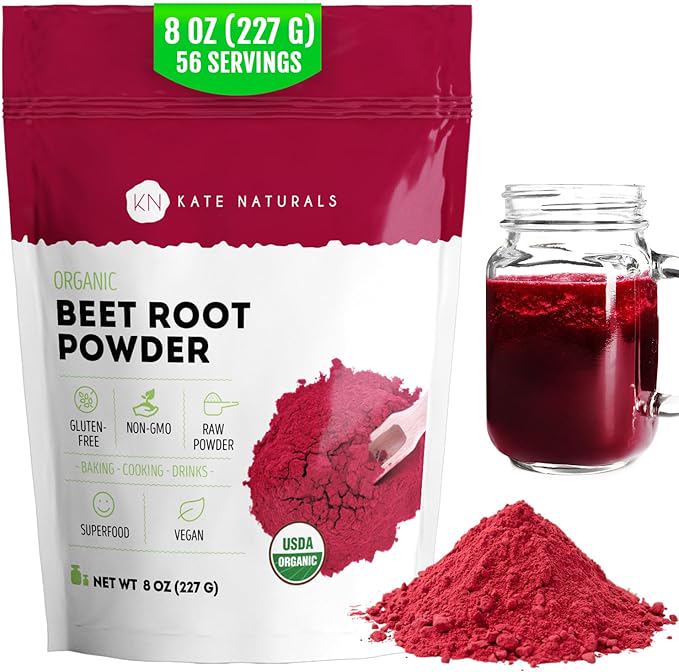
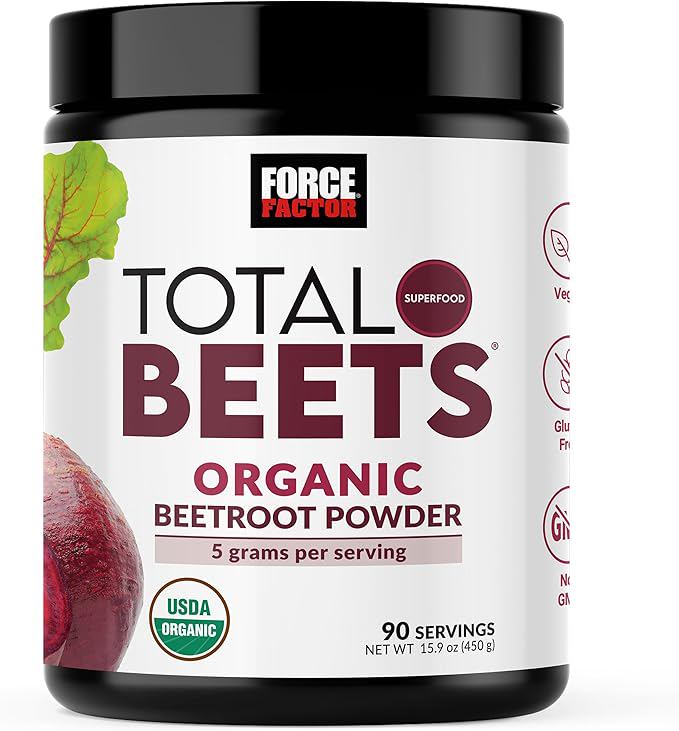
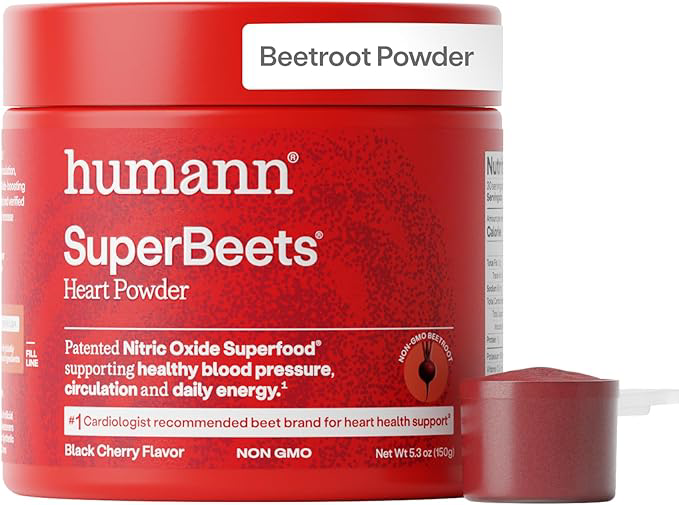
Beetroot is rich in nitrates, which the body converts to nitric oxide. Nitric oxide improves blood vessel dilation, enhancing blood flow to muscles during and after exercise. Better circulation means oxygen and nutrients get to tissues faster, while metabolic waste products are cleared more efficiently.
A 2022 systematic review in Nutrients noted that beetroot juice supplementation reduced muscle soreness and lowered inflammatory cytokine levels post-exercise. For PCOS, improved blood flow can also support ovarian health and reduce the vascular dysfunction often seen with insulin resistance.
Fresh beetroot juice has a naturally earthy sweetness and contains fiber if you include the pulp. Pre-made bottled versions can be very high in sugar, so look for ones with no added sweeteners or consider blending a small beet into a green smoothie instead.
- How to use: Drink 4–6 ounces about 60–90 minutes before a workout for endurance benefits, or have it immediately after exercise to support recovery and reduce inflammation.
- Flavor pairing: Combine with ginger and a squeeze of lime for an anti-inflammatory boost.
3. Green Tea (Served Warm or Iced)
Green tea is one of the most studied beverages for metabolic health, and it holds particular promise for PCOS-related inflammation. The key compound is epigallocatechin gallate (EGCG), a catechin that suppresses pro-inflammatory signaling pathways.
An April 2023 study published in Phytotherapy Research found that green tea extract supplementation significantly lowered CRP and tumor necrosis factor-alpha (TNF-α) levels in women with PCOS. Another study from Clinical Nutrition ESPEN (2022) showed that drinking green tea post-exercise reduced oxidative stress markers compared to water alone.
Green tea's moderate caffeine content (about 30–50 mg per cup) can also support alertness without the jittery crash associated with coffee or energy drinks. The amino acid L-theanine, also present in green tea, promotes a calm focus that can be helpful for rest and recovery.
A note on preparation: Freshly brewed green tea has the highest antioxidant content. Avoid adding sugar or artificial sweeteners. A squeeze of lemon enhances catechin absorption.
Why These Drinks Target PCOS Specifically
Each of these beverages targets core mechanisms in PCOS: chronic low-grade inflammation, insulin resistance, and oxidative stress. Tart cherry juice reduces CRP, beetroot juice improves circulation (counteracting the vascular stiffness seen in insulin resistance), and green tea provides EGCG which directly modulates androgen-related inflammation.
While no single drink is a cure, incorporating one of these into your post-workout routine adds a layer of targeted nutrition without pharmaceuticals. It's also worth noting that hydration alone — even with plain water — remains the foundation for recovery.
Practical Tips for Post-Exercise Nutrition in PCOS
- Timing matters: Drink your choice within 30 minutes of finishing exercise, when muscles are most receptive to nutrients.
- Pair with protein: These drinks work best as recovery companions. For sustained blood sugar stability, pair with a small protein source like a hard-boiled egg or a serving of collagen peptides.
- Avoid pitfalls: Skip sugary sports drinks, fruit punches, and smoothies made with high-sugar bases like banana-juice combinations. These can spike insulin and worsen the inflammatory response.
- Rotate options: Varying your drink choice prevents monotony and provides a broader range of polyphenols.
Ultimately, the best beverage is one you enjoy and can prepare consistently. Experiment with each option in small amounts, and notice how your energy levels and muscle soreness feel in the hours and days after your workouts.