When your thyroid is overactive, it can feel like your body’s internal thermostat is stuck on high. Everything speeds up—your metabolism, your heart rate, even your thoughts. While medication is the cornerstone of treatment, what you eat plays a crucial supporting role. It won’t cure hyperthyroidism, but a thoughtful approach to nutrition can help manage symptoms, protect vulnerable body systems, and support overall well-being during treatment.
Think of food not as a replacement for your doctor’s care, but as a way to nourish your body through a period of high demand. The goal isn’t a restrictive “thyroid diet,” but rather a pattern of eating that focuses on specific nutrients to help counterbalance the effects of excess thyroid hormone.
Core Goals of an Eating Pattern for Hyperthyroidism
An overactive thyroid accelerates your metabolism, meaning you burn calories at a much faster rate. This can lead to unintended weight loss and muscle wasting, even if your appetite is increased. At the same time, the hypermetabolic state increases the body’s need for certain vitamins and minerals and can put stress on systems like your heart and bones.
Your eating strategy should address these key areas:
- Calorie and protein support: To prevent excessive weight loss and maintain muscle mass.
- Bone health protection: Hyperthyroidism can accelerate bone turnover, increasing the risk of osteoporosis.
- Heart and nervous system support: To help manage symptoms like rapid heartbeat, anxiety, and tremors.
- Reducing inflammation: Some foods may help modulate the immune response in autoimmune hyperthyroidism (Graves’ disease).
The focus is on building a nutrient-dense plate that meets your body’s heightened needs, not on eliminating large food groups without cause.
Nutrients to Prioritize on Your Plate
Certain nutrients become especially important when managing hyperthyroidism. Aiming to include these regularly can make a tangible difference in how you feel.
Calcium and Vitamin D
This duo is critical for bone health. The excess thyroid hormone can interfere with bone density, making adequate intake non-negotiable. While dairy is a classic source, there are many options.
Calcium is abundant in yogurt, kefir, fortified plant milks (like almond or oat milk), canned sardines and salmon with bones, tofu made with calcium sulfate, and leafy greens like kale and collard greens. Vitamin D, which helps your body absorb calcium, comes from fatty fish (salmon, mackerel), egg yolks, fortified foods, and, of course, sensible sun exposure.
Magnesium
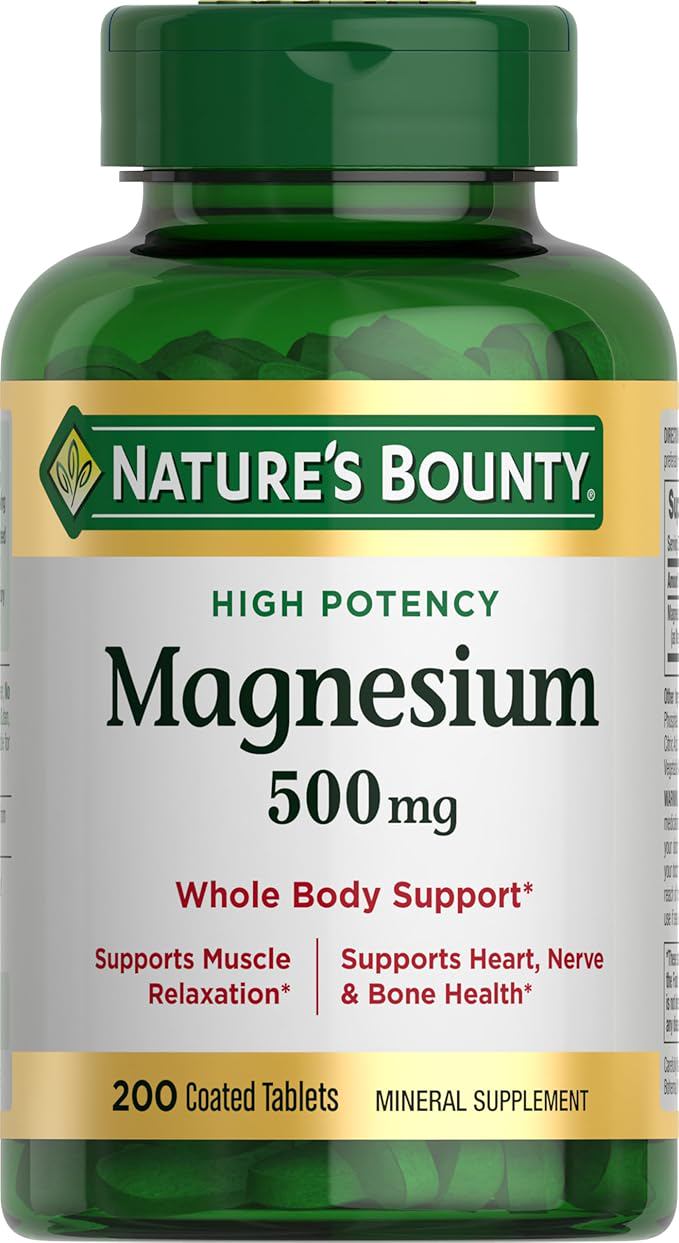
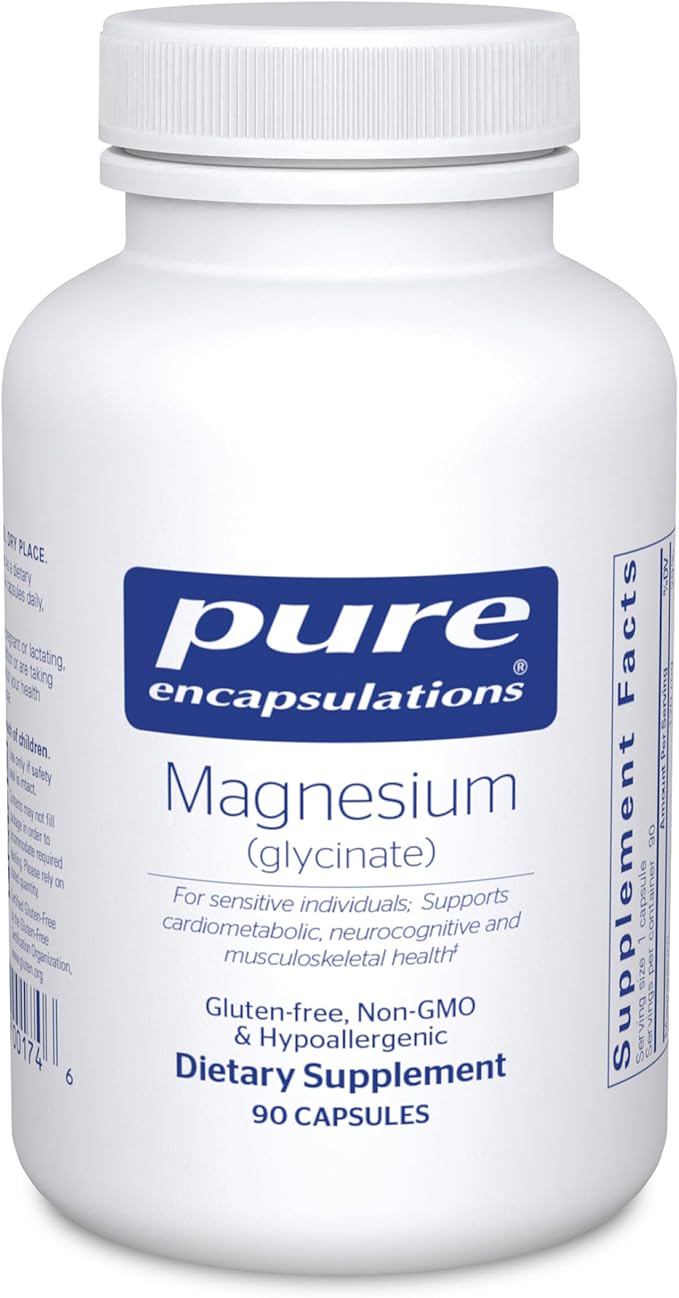
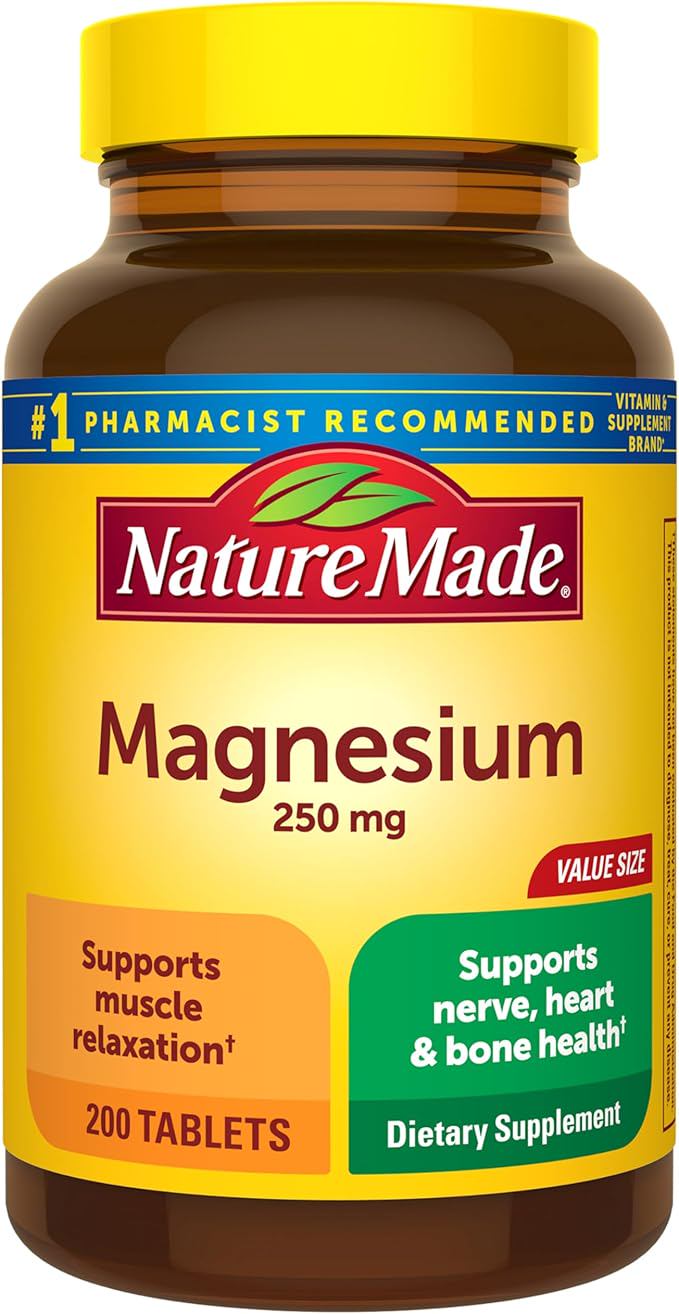
Often overlooked, magnesium is involved in hundreds of biochemical reactions, including muscle and nerve function. Symptoms of magnesium deficiency can mimic hyperthyroid symptoms—think muscle cramps, anxiety, and heart palpitations. Including magnesium-rich foods like almonds, spinach, cashews, black beans, avocados, and whole grains can be wonderfully supportive.
Antioxidants and Anti-inflammatory Foods
For those with Graves’ disease, an autoimmune condition, focusing on foods that help manage inflammation is wise. This means embracing a rainbow of fruits and vegetables, which are packed with antioxidants like vitamins C and E, beta-carotene, and selenium. Berries, tomatoes, bell peppers, citrus fruits, and nuts are all excellent choices.
Foods and Substances to Be Mindful Of
While very few foods are completely off-limits, some require timing or moderation, especially in relation to your medication.
Iodine: A Delicate Balance
Iodine is the building block of thyroid hormone. In hyperthyroidism, adding excess iodine can be like adding fuel to a fire. This doesn’t mean you need to seek out iodized salt or eat iodine-fortified foods in large amounts. Be mindful of concentrated sources like seaweed, kelp supplements, iodine-rich multivitamins, and certain cough syrups or contrast dyes used in medical imaging. Using non-iodized salt for cooking is a simple switch many find helpful.
Caffeine and Stimulants
If you’re experiencing jitters, anxiety, or a racing heart, caffeine can significantly amplify these feelings. Pay attention to how coffee, strong tea, energy drinks, and even dark chocolate affect you. You may find you need to reduce your intake, switch to decaf, or avoid it altogether until your thyroid levels are better managed.
Goitrogens: Understanding the Myth
You may have read that foods like broccoli, cauliflower, cabbage, and soy are “bad” for the thyroid. These contain substances called goitrogens, which in very large, raw amounts can interfere with thyroid hormone production. However, for people with hyperthyroidism, this mild blocking effect is not a concern—and cooking these vegetables deactivates most of the goitrogens. These foods are incredibly nutritious and should not be avoided without a specific reason from your healthcare team. The exception is raw soy extracts or extremely high amounts of soy; moderate consumption of tofu, tempeh, or edamame is generally fine for most.
Building Your Meals for Stability
Structure is your friend. Instead of grazing or skipping meals, aim for consistent, balanced meals and snacks throughout the day. This helps maintain energy levels and prevents drastic blood sugar swings, which can exacerbate feelings of anxiety or shakiness.
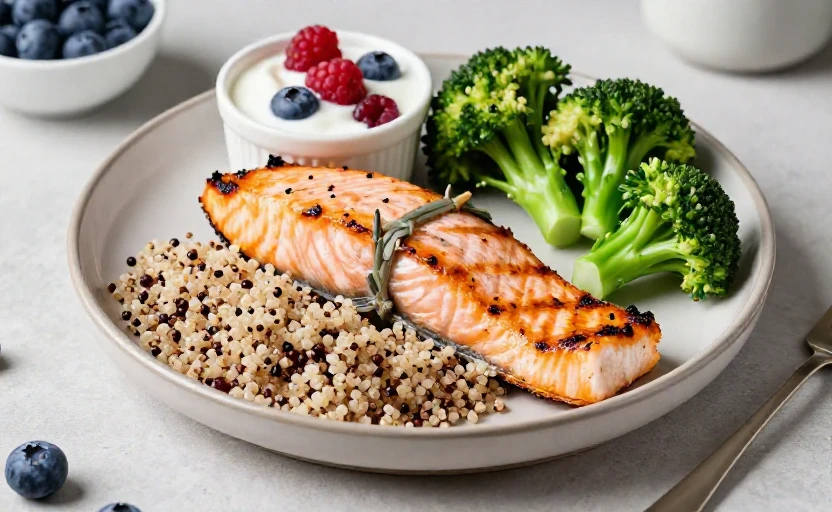
A simple template to follow: Combine a source of lean protein (chicken, fish, legumes, tofu), a complex carbohydrate (quinoa, sweet potato, brown rice), a generous serving of colorful vegetables, and a source of healthy fat (avocado, olive oil, nuts). This combination provides sustained energy, supports muscle mass, and keeps you satisfied.
If you’re struggling with a ravenous appetite or rapid weight loss, don’t hesitate to add in calorie-dense, nutritious snacks. A handful of nuts and dried fruit, a smoothie with nut butter, or full-fat Greek yogurt can provide the extra energy your body is craving.
Working with Your Healthcare Team
Always discuss dietary changes with your doctor or a registered dietitian, especially one familiar with thyroid disorders. They can help you personalize this information.
One critical timing note: If you are taking antithyroid medications like methimazole or propylthiouracil (PTU), or thyroid hormone blockers, there are generally no specific food restrictions. However, if you are prescribed synthetic thyroid hormone for later treatment (often after radioactive iodine therapy), it must be taken on an empty stomach, at least 30-60 minutes before food or coffee, for proper absorption.
Navigating hyperthyroidism is a journey. Let food be one of your supportive, nourishing tools—a way to actively care for your body as you work with your medical team to restore balance.