
Managing Graves' disease is a daily balancing act, and what you put on your plate plays a significant role in how you feel. While no single food causes or cures this autoimmune condition, certain items can worsen symptoms like a racing heart, anxiety, and fatigue by affecting your thyroid function or overall inflammation. The goal isn't a rigid, joyless diet—it's strategic awareness. Here are seven foods that are worth reducing or adjusting if you're looking for steadier energy and calmer days.
1. Caffeine
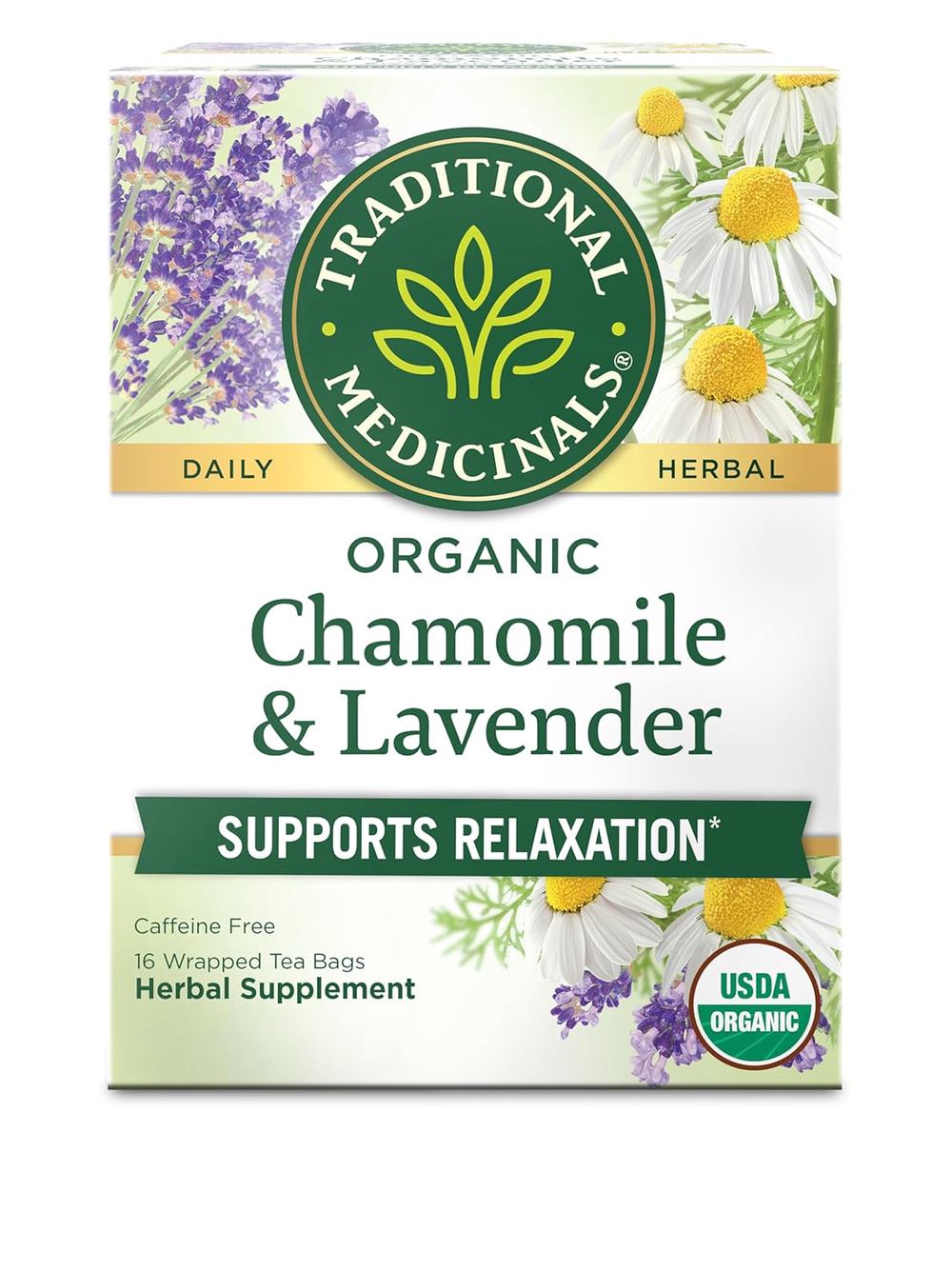
That morning coffee or afternoon energy drink might feel like a lifeline, but with Graves', it often backfires. Graves' disease already puts your system in a constant state of high alert—elevating heart rate, causing tremors, and fueling anxiety. Caffeine mimics and amplifies these exact symptoms. It's not that you can never have a cup of coffee; it's about recognizing the line between a small pleasure and a trigger. Try swapping your second cup for a calming herbal tea like lemon balm or chamomile. Pay close attention to hidden sources like green tea, dark chocolate, and some over-the-counter pain relievers.
2. Iodine-Rich Foods
Iodine is essential for thyroid hormone production, which is precisely the problem in Graves'. Your thyroid is already overproducing hormones; adding extra iodine is like pouring gasoline on a fire. Common sources to be mindful of include seaweed (nori, kelp, spirulina in high doses), iodized table salt, and some multivitamins. You don't need to eliminate all iodine—the body needs a small amount—but concentrated sources are best avoided. Check labels on processed foods and supplements. A simple switch to non-iodized sea salt in your home cooking can make a noticeable difference.
3. Gluten-Containing Grains
For many people with Graves', gluten is a subtle agitator. There is a well-documented link between autoimmune thyroid conditions and celiac disease or non-celiac gluten sensitivity. For some, gluten consumption triggers an immune response that can worsen thyroid inflammation and symptoms. This doesn't apply to everyone, but it's worth a three-week elimination trial to see if you feel less bloated, less foggy, and more energetic. Replace wheat, barley, and rye with naturally gluten-free options like quinoa, rice, buckwheat, and oats (certified gluten-free). Even if you don't have a full intolerance, reducing gluten often helps calm overall inflammation.
4. Soy in Large Amounts
Soy is a nutritional powerhouse for many, but it contains isoflavones that can interfere with thyroid function. In Graves' disease, these compounds may reduce the uptake of iodine into the thyroid and also interfere with how your body absorbs thyroid medication. Moderate consumption—like a few servings of edamame or tofu per week—is generally fine for most people. The issue arises with high-dose soy protein isolates found in many protein powders and bars, or drinking several glasses of soy milk daily. Be especially careful to take thyroid medication at least four hours apart from soy-heavy meals.
5. High-Fat and Fried Foods
Your metabolism is already under strain with hyperthyroidism. Graves' disease often speeds up gut motility, which can interfere with nutrient absorption and digestion. High-fat and deep-fried foods are harder to break down, potentially causing bloating, discomfort, and erratic energy swings. They also promote systemic inflammation, which can worsen the autoimmune component of the disease. Focus on healthy fats from avocados, olive oil, and fatty fish—they support your nervous system and help stabilize mood without the heavy load of fried foods.
6. Added Sugars and Refined Carbohydrates
Your blood sugar and thyroid system talk to each other more than you might think. Graves' disease can cause rapid metabolism and increased appetite, making you crave quick energy sources like sweets and white bread. But that spike is followed by a crash, which can trigger adrenal stress and worsen fatigue, irritability, and even heart palpitations. Reducing added sugar is one of the most effective steps you can take for consistent energy. That doesn't mean eliminating fruit—fruit provides fiber and antioxidants—but aim to cut back on soda, candy, pastries, and sweetened yogurts. Steady blood sugar equals a steadier you.
7. Alcohol
Alcohol is a direct stressor on your liver and nervous system. For someone with Graves', it can destabilize mood, interfere with sleep quality, and disrupt the absorption of important nutrients like selenium and zinc that support thyroid balance. Even one drink can trigger heart rate irregularities in sensitive individuals. If you choose to drink, go for something low in sugar (like a dry wine) and limit yourself to one serving. Many people find they feel significantly better on days when they skip alcohol entirely. It's often the most impactful single change you can make for symptom control.
Adjusting your diet with Graves' disease isn't about perfection. It's about identifying your personal triggers and making incremental shifts that support your body rather than working against it. Always talk to your healthcare team before making major dietary changes, especially if you're on medication. Small swaps can lead to big improvements in how you feel every day.