If you’re navigating life with Graves’ disease, you know it’s more than a thyroid condition. It’s a full-body experience, where what you eat can feel like it either fuels the fire or helps you find a moment of calm. While food is not a cure, it is a powerful tool you can use every day to support your body, manage symptoms, and complement your medical treatment. This guide focuses on the nourishing, calming foods that can help you feel more grounded.
Think of your diet as one piece of your care plan—a way to gently support your system from the inside. The goal isn’t about strict rules or deprivation, but about choosing foods that provide steady energy, reduce inflammation, and give your overactive thyroid less to react to. It’s about building a plate that works for you.
How Food Can Support You with Graves’ Disease
Graves’ disease is an autoimmune disorder where your immune system mistakenly attacks your thyroid gland, causing it to produce too much thyroid hormone. This hyperthyroidism speeds up your metabolism, which can lead to symptoms like anxiety, rapid heartbeat, weight loss, heat intolerance, and fatigue.
Your diet can’t stop this autoimmune process, but it can create a more supportive internal environment. The right foods can help:
- Reduce systemic inflammation, which is often elevated in autoimmune conditions.
- Provide essential nutrients that your body may be burning through quickly due to a revved-up metabolism.
- Support bone health, as prolonged hyperthyroidism can increase the risk of bone loss.
- Steady your energy and help manage blood sugar swings that can exacerbate feelings of jitteriness or fatigue.
Food is not medicine for Graves’, but it is foundational care. It’s about choosing allies that help your body cope, not fight.
Building Your Calming Plate: Key Nutrients and Foods
Focus on whole, anti-inflammatory foods. A colorful, varied plate is your best strategy for getting a broad spectrum of supportive nutrients.
Foods Rich in Calcium and Vitamin D
Protecting your bones is crucial. Include these daily:
- Calcium: Fortified plant milks (almond, oat, soy), leafy greens (kale, collards, bok choy), canned sardines or salmon with bones, tofu made with calcium sulfate, and yogurt.
- Vitamin D: Fatty fish (salmon, mackerel), egg yolks, fortified foods, and safe sun exposure. Your doctor may also recommend a supplement, as deficiency is common.
Anti-Inflammatory Powerhouses
These foods help quiet the underlying inflammatory response.
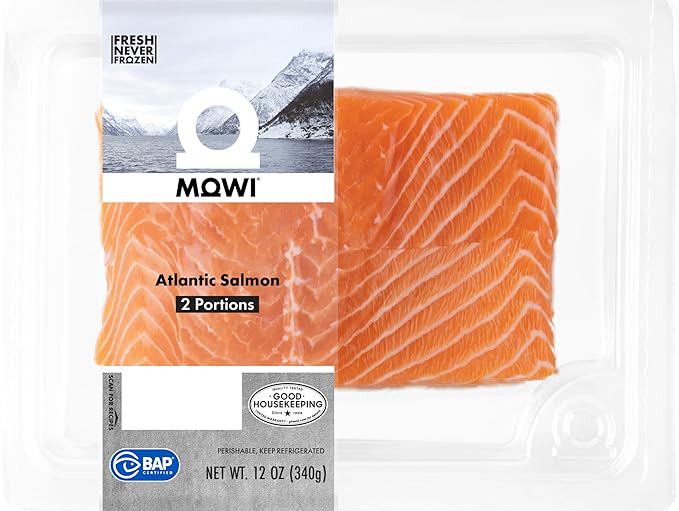
- Fatty Fish: Salmon, mackerel, and sardines are excellent sources of omega-3 fatty acids, which are potent inflammation modulators.
- Colorful Fruits and Vegetables: Berries, cherries, oranges, tomatoes, broccoli, and spinach are packed with antioxidants like vitamins C and E, and flavonoids.
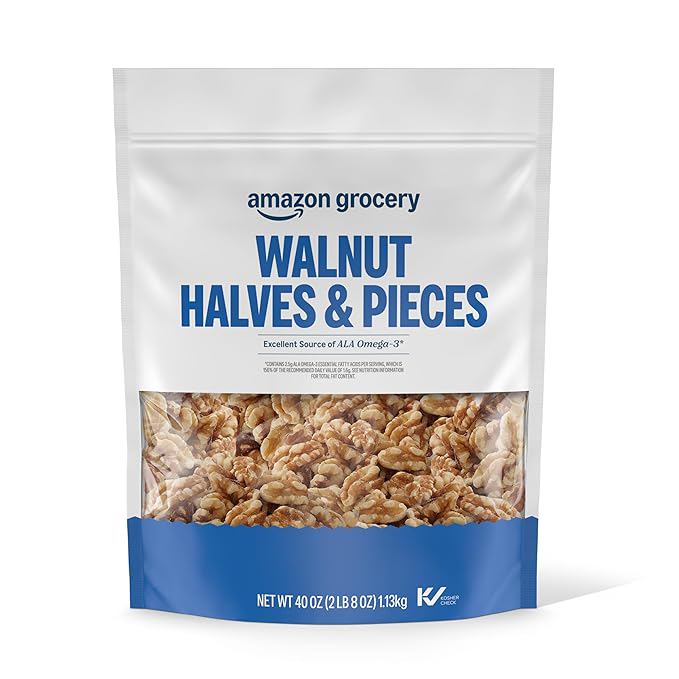
- Healthy Fats: Avocados, olives, nuts (especially walnuts), and seeds (flax, chia) provide monounsaturated fats and fiber.
Foods for Steady Energy and Gut Health
A racing metabolism can leave you drained. Complex carbohydrates and fiber help provide sustained fuel and support a healthy gut microbiome, which is linked to immune function.
- Whole Grains: Oats, quinoa, brown rice, and farro release energy slowly.
- Legumes: Lentils, chickpeas, and black beans are great sources of fiber, plant-based protein, and minerals like magnesium.
- Fermented Foods: Unsweetened yogurt, kefir, sauerkraut, and kimchi introduce beneficial probiotics.
Foods and Habits to Approach with Caution
Some substances can potentially stimulate thyroid activity or interfere with treatments. This doesn’t mean you must eliminate them entirely, but being mindful of their effects is wise.
Caffeine: It can mimic and worsen symptoms like anxiety, palpitations, and tremors. Listen to your body; you may find you need to reduce or avoid coffee, strong tea, and energy drinks.
Iodine: Excessive iodine can fuel thyroid hormone production. Be cautious with very high-dose supplements, iodine-rich herbs like kelp, and overly salty processed foods. Using iodized salt in normal amounts for cooking is generally fine, but discuss this with your dietitian or doctor.
Highly Processed Foods: Foods high in refined sugars, unhealthy fats, and additives can promote inflammation and cause energy crashes.
“Goitrogenic” Foods: This includes raw cruciferous vegetables (like kale, broccoli, cabbage) and soy. For most people with Graves’, cooked versions of these nutritious foods are perfectly safe and beneficial. Cooking deactivates the goitrogens. Only if you have a concurrent iodine deficiency might large amounts of raw cruciferous veggies be a concern. Soy may interfere with thyroid hormone absorption, so the key is consistency—keep your soy intake steady day-to-day and take thyroid medication (if prescribed) at least an hour before or four hours after eating soy products.
Putting It All Together: A Day of Calming Meals
Here’s an example of how these principles can come to life on your plate. Adjust portions and choices based on your appetite and needs.
Breakfast: A bowl of oatmeal made with fortified almond milk, topped with berries, chia seeds, and a spoonful of almond butter. The complex carbs and fiber provide steady energy, while the seeds and nuts add healthy fats.
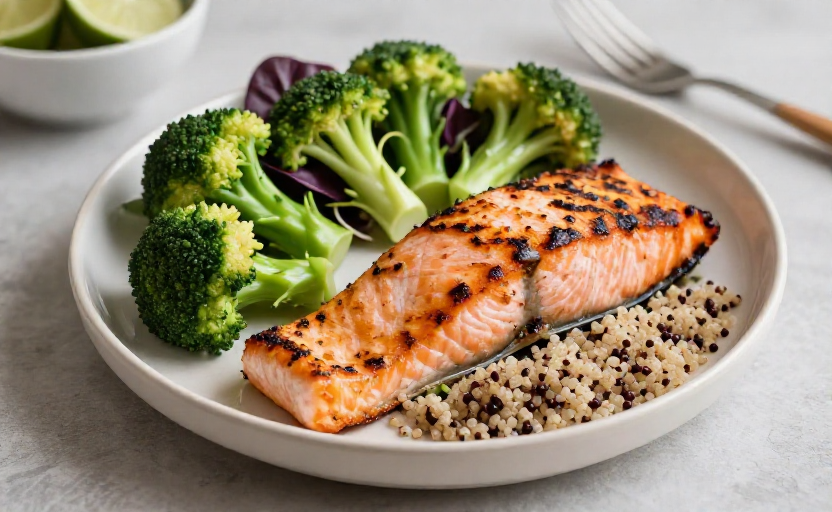
Lunch: A large salad with mixed greens, grilled salmon, quinoa, avocado, cherry tomatoes, and a lemon-tahini dressing. This combines anti-inflammatory fats, lean protein, and a variety of antioxidants.
Snack: Plain Greek yogurt with a drizzle of honey and a handful of walnuts, or sliced apple with a small portion of cheese.
Dinner: A stir-fry with chicken or tofu, bell peppers, broccoli, and snap peas served over brown rice. Using cooked broccoli is a great way to enjoy its nutrients without worry.
Working with Your Healthcare Team
Always discuss dietary changes with your endocrinologist and consider seeing a registered dietitian (RD or RDN) who specializes in thyroid or autoimmune health. They can help you personalize this approach, especially if you have other conditions like Graves’ eye disease, and ensure your diet supports your specific medications and lab results.
Remember, progress over perfection. Some days will be easier than others. Start with one or two small, sustainable changes—like adding an extra vegetable to dinner or swapping a sugary snack for a piece of fruit and a handful of nuts. Each calming choice is a step toward supporting your well-being.