Beta-blockers are widely prescribed for heart conditions like high blood pressure, arrhythmias, and angina. While they help your heart work less hard, one of the most common side effects is fatigue—a sluggishness that can make even preparing dinner feel like a chore. But what you eat in the evening can either compound that tiredness or help your body adapt. The goal is not to counteract the medication, but to support your energy systems naturally through smart choices.
Below, we break down the nutrients and meal strategies that may help reduce the heavy, drained feeling many people experience on beta-blockers, with a focus on dinner—the meal that sets the stage for overnight recovery and next-day energy.
Why beta-blockers make you tired
Beta-blockers work by blocking the effects of adrenaline, which slows your heart rate and lowers blood pressure. That calming effect is therapeutic, but it also reduces the body's natural "rev" signal. Your metabolism can slow slightly, and some people experience a drop in blood sugar (hypoglycemia) or a blunted ability to mobilize energy from fat and glycogen. The result: you feel physically and mentally drained, especially later in the day.
Key nutrients to include in your dinner
Complex carbohydrates for steady energy
Highly refined carbs (white bread, sugary sauces, white rice) spike blood sugar and then drop it, leaving you more fatigued. Instead, choose slow-burning carbs like sweet potatoes, quinoa, brown rice, or legumes. These release glucose gradually, helping to maintain stable blood sugar through the night and into the next morning—particularly important if your beta-blocker masks the usual warning signs of low blood sugar.
Lean protein to support muscle and brain function
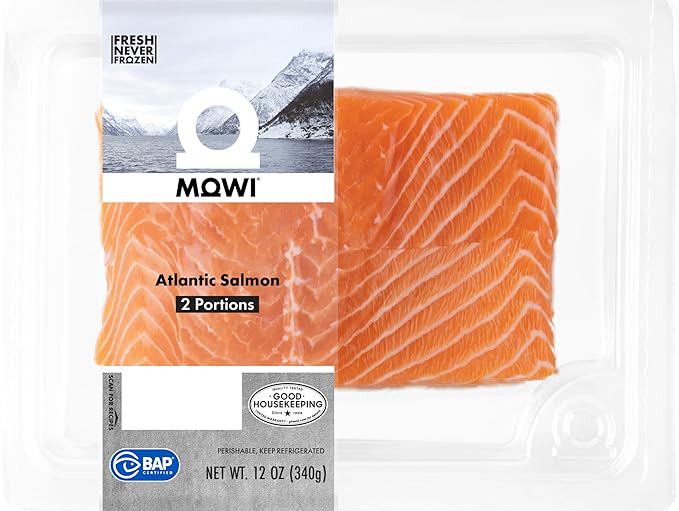
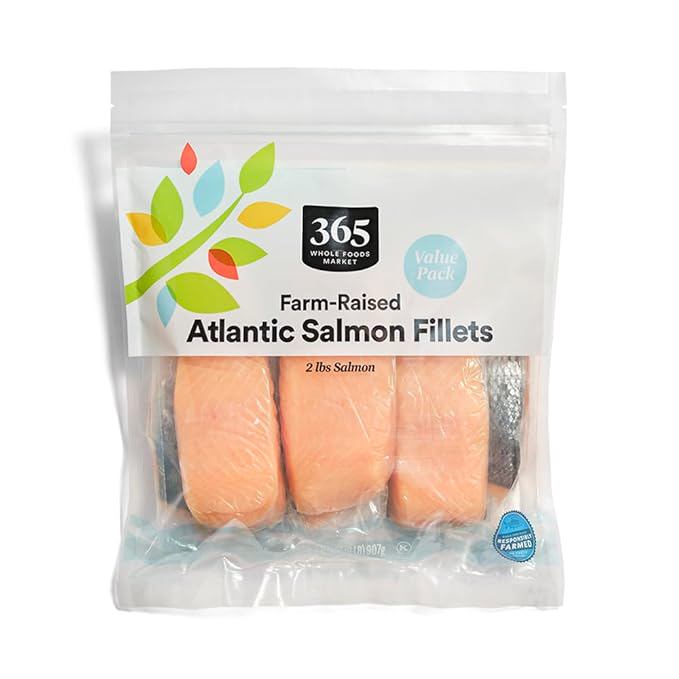
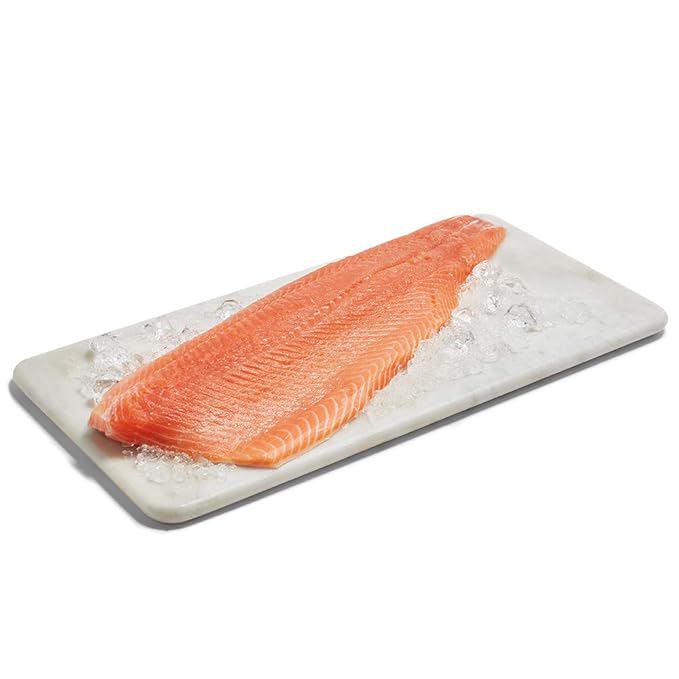
Protein provides amino acids your body uses to make neurotransmitters and repair tissues. Include moderate portions of chicken, fish, eggs, tofu, or lentils. Fatty fish like salmon, mackerel, or sardines are especially valuable because they also deliver omega-3 fatty acids, which may help lower inflammation and support heart health—complementing the beta-blocker's role.
Tip: Aim for about 20–30 grams of protein at dinner. That’s roughly a 4-ounce serving of chicken or fish, or a cup of cooked lentils.
Potassium- and magnesium-rich vegetables
Beta-blockers can lower your body's levels of the mineral coenzyme Q10 (CoQ10) and sometimes affect electrolyte balance. Dark leafy greens (spinach, kale, Swiss chard), broccoli, avocados, sweet potatoes, and beets are rich in potassium and magnesium—two minerals that help muscles relax and support normal energy production in cells. A generous serving of brightly colored vegetables also provides antioxidants that combat oxidative stress.
Small amounts of healthy fat
Healthy fats from olive oil, avocado, nuts, or seeds help you absorb fat-soluble vitamins (A, D, E, K) and provide long-lasting satiety. However, since beta-blockers can slow digestion in some people, keep portions modest—a tablespoon of dressing, a quarter of an avocado, or a sprinkle of almonds.
Dinner ideas that fight fatigue
Rather than one rigid meal plan, here are three flexible templates that incorporate the nutrients above. Pick the one that fits your taste and schedule.
1. Warm grain bowl with salmon and greens
- Base: ¾ cup cooked quinoa or farro
- Protein: 4 ounces baked or pan-seared salmon
- Vegetables: 2 cups sautéed Swiss chard or spinach with garlic and olive oil
- Topping: a few walnut halves for crunch and omega-3s
- Dressing: lemon juice and a drizzle of tahini
2. Sheet-pan chicken with sweet potatoes and broccoli
- Arrange 4 ounces of chicken thigh (or breast) on a baking sheet with 1 cup cubed sweet potato and 2 cups broccoli florets
- Toss with olive oil, rosemary, and a pinch of sea salt
- Roast at 400°F (about 200°C) for 25–30 minutes
- Squeeze fresh lemon over the top before serving
3. Lentil and vegetable soup with a side of toast
- Simmer ½ cup red lentils with diced carrots, celery, onion, and a can of diced tomatoes in low-sodium vegetable broth
- Season with cumin and a bay leaf; cook until lentils are tender
- Serve with a thick slice of whole-grain bread topped with mashed avocado
What to limit or avoid at dinner
Some foods can exacerbate fatigue or interfere with your medication. Try to reduce or skip the following at your evening meal.
- Alcohol: It's a central nervous system depressant and can amplify the sedative effects of beta-blockers. Alcohol also disrupts sleep quality, which is already fragile for many people on these medications.
- High-sodium processed foods: Beta-blockers are often prescribed for blood pressure; excess sodium works against that goal and can make you feel puffy and sluggish.
- Large, heavy meals: A huge dinner diverts blood to your digestive system, which can leave you feeling even more lethargic. Keep portions moderate and stop eating two to three hours before bedtime.
- Caffeine after mid-afternoon: While a morning coffee might be fine, caffeine late in the day can interfere with sleep and sometimes interacts with beta-blockers, raising blood pressure unpredictably in some people.
Hydration matters
Dehydration is a common cause of fatigue, and beta-blockers can alter your body's fluid balance. Drink water throughout the day and include hydrating foods at dinner—like cucumbers, bell peppers, and broth-based soups. Aim for at least one full glass of water with your meal.
A final note: While dietary choices can help you feel better, they are not a substitute for medical care. If your fatigue is severe, persistent, or concerning, talk to your prescribing doctor. They may adjust your dose, switch you to a different beta-blocker, or check for other causes such as anemia or thyroid issues. Small dinner shifts, however, can make a real difference in how you feel day to day.