Menopause brings a cascade of hormonal shifts, and declining estrogen often shows up as vaginal dryness, irritation, or discomfort during intimacy. While over-the-counter lubricants offer temporary relief, many women wonder if their dinner plate can provide more lasting support. The answer, rooted in nutritional science, is yes—certain foods can help support the body's natural moisture balance from the inside out.
The key lies in eating for hormone-friendly fats, phytoestrogens, and hydration. Estrogen plays a central role in keeping vaginal tissues thick, elastic, and well-lubricated. When levels drop, the tissues can become thin and less able to produce natural moisture. By choosing the right ingredients for your evening meal, you can give your body the building blocks it needs to maintain comfort and resilience.
The Role of Healthy Fats in Lubrication
Your body needs essential fatty acids to produce its own lubrication. These healthy fats help reduce inflammation and support the mucous membranes, including those in the vaginal area. Without enough of them, tissues can become dry and brittle.
Omega-3 fatty acids are particularly valuable. They are found in fatty fish like salmon, mackerel, and sardines. A simple dinner of grilled salmon with a side of steamed greens and a drizzle of olive oil delivers a concentrated dose. For plant-based eaters, ground flaxseeds, chia seeds, and walnuts can serve a similar purpose. Try adding a tablespoon of ground flaxseed to a warm grain bowl or sprinkling walnuts over a roasted vegetable salad.
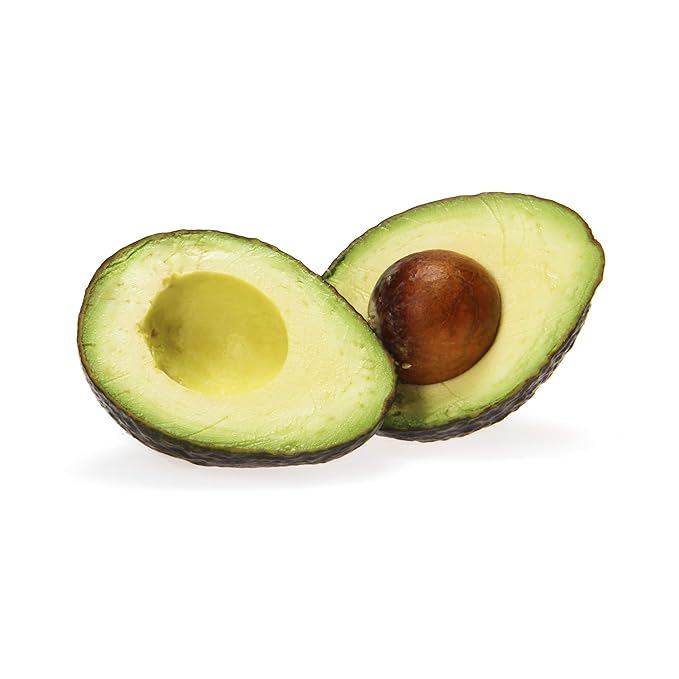
Avocado is another powerhouse. Rich in monounsaturated fats and vitamin E, it helps maintain cell membrane health and skin elasticity. A dinner salad with sliced avocado, chickpeas, and a lemon-tahini dressing is both satisfying and supportive.
Aim to include a source of healthy fat at every dinner. Even a small amount—like a drizzle of extra-virgin olive oil over roasted vegetables—makes a difference for tissue health.
Phytoestrogen-Rich Foods That Mimic Your Own Estrogen
Phytoestrogens are plant compounds that can weakly mimic estrogen in the body. While they are not a replacement for your body's own hormones, they can provide gentle support, especially during perimenopause and menopause. Including them in your dinner routine may help improve vaginal moisture over time.
Soy-based foods are the most studied source of phytoestrogens. Tofu, tempeh, edamame, and miso all contain isoflavones, which have been shown in some research to reduce vaginal dryness. A stir-fry with baked tofu, broccoli, and a ginger-soy sauce is a quick weeknight option. If you prefer fermented foods, try tempeh marinated in a little sesame oil and grilled, served with sautéed greens and brown rice.
Flaxseeds also have significant phytoestrogen content. Beyond their omega-3s, they contain lignans that can offer mild estrogenic effects. Ground flaxseed is more easily absorbed than whole seeds, so consider mixing it into a lentil soup or using it as a coating for baked chicken or fish.
Other good sources include sesame seeds, sunflower seeds, and berries. A dinner bowl with roasted sweet potatoes, black beans, a handful of sunflower seeds, and a sprinkle of sesame seeds is both colorful and nutrient-dense.
Hydration-First Ingredients for Evening Meals
Dehydration can worsen vaginal dryness. While drinking water throughout the day is essential, your dinner can also contribute to your hydration status by including water-rich vegetables.
Cucumber, zucchini, celery, and bell peppers have high water content. They are easy to add to any dinner. For example, a light stir-fry with zucchini, bell peppers, and lean protein or a warm roasted vegetable soup made with celery and broth can boost your fluid intake naturally.
Coconut water or bone broth as a base for soups provides electrolytes that help your cells hold onto water. An evening bowl of miso soup with tofu, seaweed, and sliced cucumber is hydrating and delivers both phytoestrogens and minerals.
Magnesium and Zinc for Hormonal Balance
Two minerals that often get overlooked in conversations about lubrication are magnesium and zinc. Both play a role in hormone production and tissue repair.
Magnesium helps regulate cortisol and supports the adrenal glands, which take over some hormone production after the ovaries slow down. Good dinner choices include dark leafy greens like spinach and kale, as well as pumpkin seeds, almonds, and black beans. A warm spinach and mushroom sauté with garlic and olive oil is a simple side dish that delivers magnesium.
Zinc is involved in cell growth and repair of mucous membranes. Oysters are famously rich in zinc, but you can also get it from beef, pumpkin seeds, chickpeas, and cashews. A bowl of chili made with ground turkey, kidney beans, and pumpkin seeds is a satisfying way to increase zinc intake.
Foods to Limit or Avoid at Dinner
Just as some foods support natural lubrication, others can undermine it. High-sodium processed foods can promote dehydration. Sugar and refined carbohydrates may contribute to inflammation and hormonal fluctuations that worsen dryness. Alcohol is a known diuretic and can reduce moisture levels throughout the body, including the vaginal area.
If you choose to have a drink, consider keeping it to one small serving with dinner and pairing it with extra water. Replacing sugary desserts with naturally sweet options like a small bowl of berries or a baked pear can also support your efforts.
Making small, consistent changes to your dinner routine can help your body maintain more comfort and ease during menopause. No single food is a miracle cure, but a pattern of eating that emphasizes healthy fats, phytoestrogens, hydration, and essential minerals creates a strong foundation for natural lubrication.