
When you or a loved one has been told about a heart murmur, it is natural to wonder how daily choices—especially what is on the dinner plate—might play a role in overall heart health. A heart murmur is often an extra or unusual sound heard during a heartbeat, and while many murmurs are harmless, some relate to underlying valve conditions or structural issues. Dinner, in particular, is a meal where we can make intentional, calming choices that support cardiovascular wellness without adding stress or rigid rules.
This article focuses on what to eat for dinner to support a healthy outlook when living with a heart murmur. The emphasis is on whole, nutrient-dense foods that help manage inflammation, support healthy blood pressure, and provide the vitamins and minerals your heart valves need to function well. No single food fixes a murmur, but a consistent pattern of smart evening meals can be a gentle foundation for your heart.
Why Dinnertime Matters for Heart Murmur Care
Evening meals tend to be larger and more relaxed than breakfast or lunch, making them a prime opportunity to load up on heart-friendly nutrients. After a day of activity, your body uses dinner to repair and reset. For someone with a heart murmur—especially if it is related to valve leakage (regurgitation) or narrowing (stenosis)—the goal is to avoid heavy, processed meals that spike inflammation or blood pressure. Instead, aim for meals that are rich in magnesium, potassium, omega-3s, and antioxidants.
Top Foods to Build a Heart-Healthy Dinner Plate
Leafy Greens and Cruciferous Vegetables
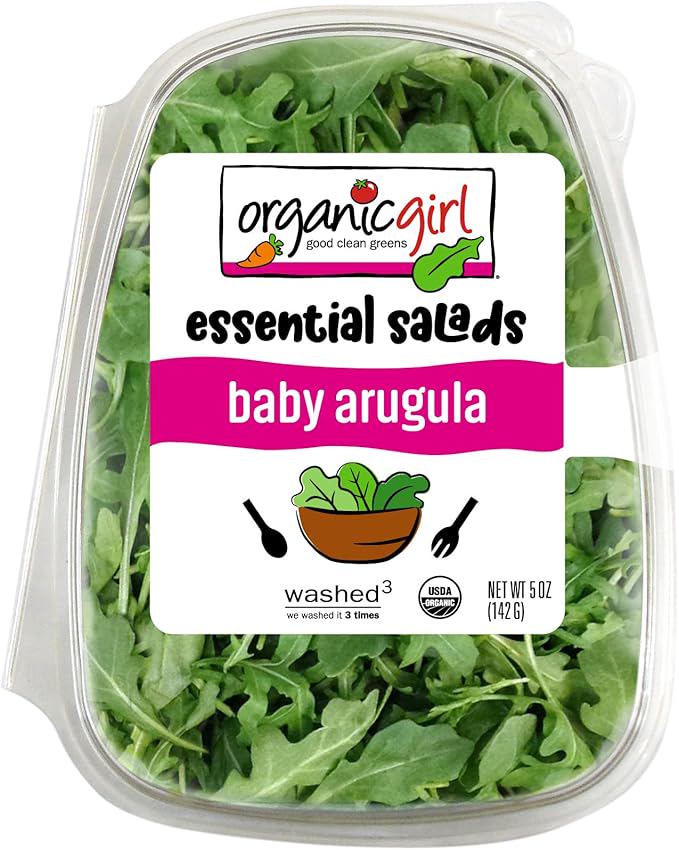
Dark leafy greens like spinach, kale, and Swiss chard are packed with magnesium and nitrates, both of which support healthy blood vessel function and may help lower blood pressure. Cruciferous vegetables such as broccoli, Brussels sprouts, and cauliflower add fiber and vitamin K, which plays a role in proper blood clotting and artery health. Aim to cover half your plate with these colorful vegetables.
Fatty Fish for Omega-3s
Salmon, mackerel, sardines, and trout are excellent sources of omega-3 fatty acids. These healthy fats help reduce systemic inflammation and can support heart valve function by keeping cell membranes flexible. The American Heart Association recommends two servings of fatty fish per week. A simple baked salmon fillet with herbs and lemon is an easy, comforting dinner option.
Whole Grains and Legumes
Instead of refined white rice or pasta, choose quinoa, farro, brown rice, or barley. Whole grains provide steady energy and fiber that helps manage cholesterol. Lentils, chickpeas, and beans are also star players—they are high in magnesium, potassium, and plant-based protein, all of which are gentle on the cardiovascular system.
Lean Poultry and Plant Proteins
If you include meat, opt for skinless chicken or turkey breast. For a plant-based option, tofu and tempeh are rich in isoflavones and protein without the saturated fat found in red meats. Keep portions moderate—about the size of your palm—so you don't overburden digestion.
Healthy Fats: Avocado, Nuts, and Olive Oil
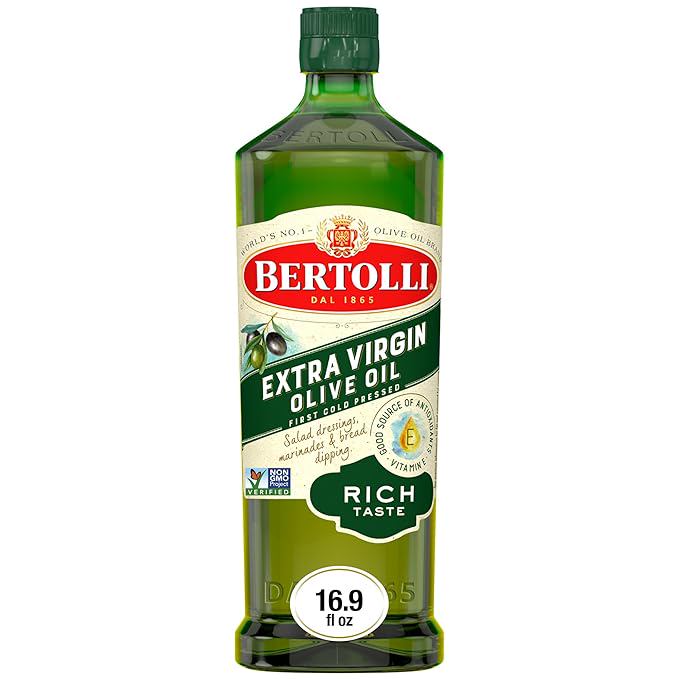
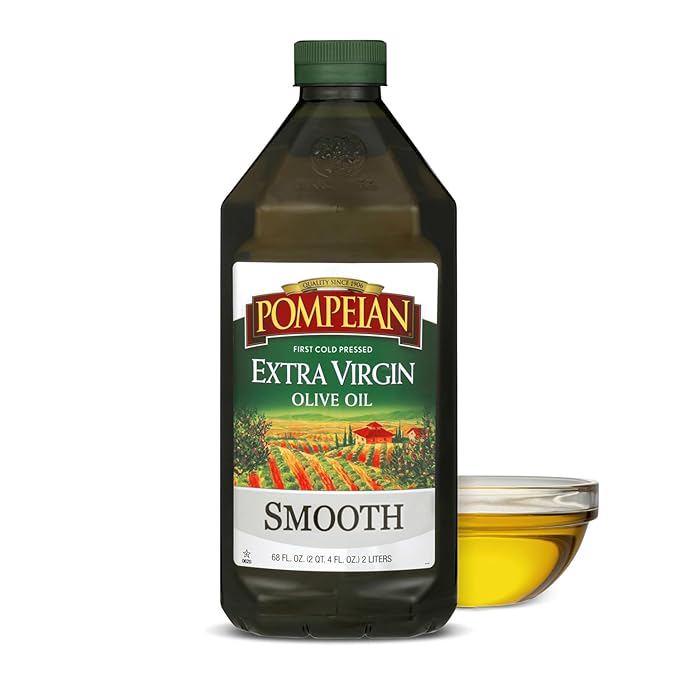
Monounsaturated fats from avocados, almonds, walnuts, and extra-virgin olive oil can help lower LDL cholesterol and reduce inflammation. Drizzle olive oil over roasted vegetables or use avocado as a creamy base for dressings. A small handful of walnuts on a salad adds crunch and omega-3s.
Dinner Patterns to Embrace (and a Few to Avoid)
Aim for meals that are colorful, whole, and cooked simply. Think roasted vegetables, a lean protein, and a small portion of whole grains—no need for complicated recipes.
Embrace: The Mediterranean approach. This is one of the most studied dietary patterns for heart health. It emphasizes vegetables, fish, olive oil, nuts, seeds, legumes, and whole grains. For dinner, that might mean a Greek salad with chickpeas, a side of grilled fish, and a drizzle of olive oil. It also includes moderate amounts of red wine (if you drink, and only with medical approval) and small portions of dairy like yogurt or cheese.
Avoid: Heavy, salty, or fried foods. High-sodium meals can cause fluid retention and raise blood pressure, putting extra strain on the heart. Processed meats like bacon, sausage, and deli meats are high in both salt and saturated fat. Fried foods and sugary desserts spike triglycerides and promote inflammation. If you have a heart murmur, these are best left for rare occasions, not regular dinners.
Sample Heart-Healthy Dinner Ideas
- Lemon-herb salmon with roasted broccoli and quinoa. Drizzle with olive oil and fresh dill.
- Turkey and vegetable stir-fry with brown rice, using low-sodium tamari and plenty of garlic, ginger, and bell peppers.
- Lentil soup with kale and a side of whole-grain toast. Add a squeeze of lemon for brightness.
- Grilled chicken salad with mixed greens, avocado, cherry tomatoes, cucumber, and a simple vinaigrette.
- Stuffed bell peppers with quinoa, black beans, corn, and a sprinkle of low-fat cheese.
Small Habits That Make a Big Difference
Beyond the ingredients themselves, how you eat matters. Eating slowly and without distractions can help you tune into fullness cues and avoid overeating. Try to finish your last meal at least two to three hours before bedtime to support overnight repair and reduce acid reflux, which can sometimes worsen heart-related chest discomfort. Stay well-hydrated with water throughout the day, but limit excessive fluids right at dinner to avoid bloating.
Common Questions About Heart Murmur and Diet
Can certain foods make a heart murmur worse?
While no food directly causes a murmur to worsen, a diet heavy in sodium, trans fats, and added sugars can contribute to high blood pressure, fluid retention, and systemic inflammation—all of which can put additional strain on the heart and potentially worsen symptoms like fatigue or shortness of breath. Cutting back on processed and fast foods is a prudent step.
Should I avoid caffeine or alcohol with a heart murmur?
This depends on your specific condition. Some people with valvular heart disease are sensitive to stimulants. Caffeine can increase heart rate and blood pressure temporarily, and alcohol can depress heart function in large amounts. It is best to follow your doctor's guidance. If you have a structurally normal valve with a benign murmur, moderate consumption is often fine, but always confirm with your cardiologist.
Is it safe to eat eggs or soy with a heart murmur?
Yes, for most people. Eggs are a good source of protein and healthy fats; current research shows dietary cholesterol from eggs has minimal impact on blood cholesterol for most individuals. Soy products like tofu and edamame are rich in isoflavones and low in saturated fat, making them a heart-friendly choice. As always, moderation and variety are key.
Do I need to take supplements for a heart murmur?
Supplements are not a substitute for a healthy diet. Some people with valve conditions may benefit from specific nutrients—such as magnesium, CoQ10, or omega-3s—but these should only be taken under the guidance of a healthcare provider. Self-prescribing can be risky, especially if you are on blood thinners or other cardiac medications. Focus on food first.
Putting It All Together
Building a heart-healthy dinner pattern for a heart murmur outlook is not about perfection or deprivation. It is about consistently choosing whole, colorful, and minimally processed foods that reduce inflammation, support stable blood pressure, and nourish the heart muscle and valves. The Mediterranean diet offers a flexible, research-backed template, but you can adapt it to your tastes and cultural foods. Pair your eating habits with regular check-ups, moderate physical activity, and good sleep for the best outlook.