
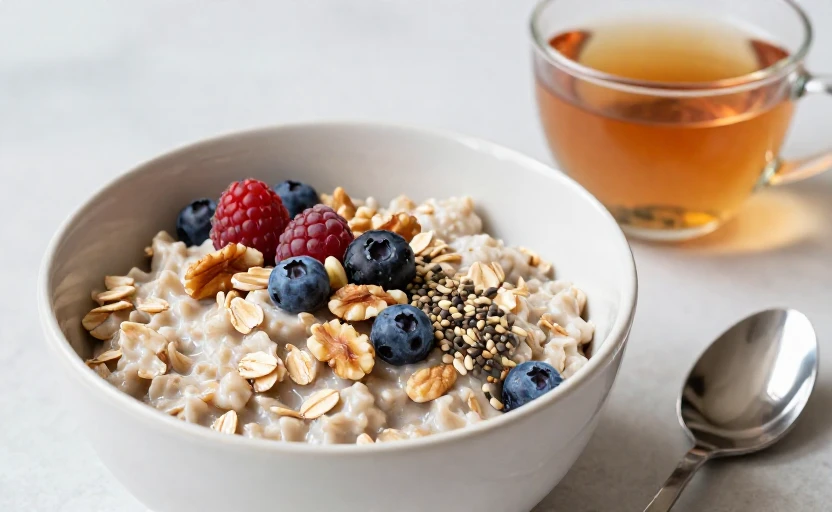
What you eat first thing in the morning sets the tone for your entire day, and that includes your mental state. While no single meal can erase anxiety or guarantee peace, a thoughtful breakfast can provide your brain with the steady, supportive fuel it needs to navigate stress with more resilience. It’s about building a foundation of calm from the inside out, one bite at a time.
The connection between your gut and your brain is profound and well-documented. The foods you choose influence neurotransmitter production, blood sugar stability, and inflammation levels—all of which directly impact mood and mental clarity. By focusing on specific nutrients at breakfast, you can gently guide your nervous system toward a state of greater balance and ease.
How does breakfast influence your mood?
Think of your brain as a high-performance engine. It requires a constant, clean supply of fuel to run optimally. A breakfast high in refined sugars and processed carbohydrates provides a rapid, intense burst of energy, often followed by a sharp crash. This blood sugar rollercoaster can manifest as jitteriness, irritability, brain fog, and heightened anxiety.
In contrast, a balanced breakfast built on whole foods delivers energy gradually. This helps maintain stable blood sugar levels, which is one of the most effective ways to support a steady mood. Beyond just energy, the right foods supply the raw materials—like amino acids, vitamins, and minerals—that your body uses to produce calming neurotransmitters such as serotonin and GABA.
Key nutrients for a calm morning
To build a breakfast that supports mental calm, focus on incorporating these foundational elements.
Complex carbohydrates for steady energy
Opt for whole, fiber-rich sources that digest slowly. These help avoid blood sugar spikes and provide a sustained release of glucose, your brain’s primary fuel. Good choices include:
- Oats (especially steel-cut or old-fashioned)
- Quinoa
- Whole-grain bread or toast
- Sweet potatoes
- Berries and other whole fruits
Protein to balance blood sugar
Including protein with your carbohydrates slows digestion further, enhancing blood sugar stability and promoting satiety. Protein also provides the amino acid tryptophan, a precursor to serotonin.
- Eggs
- Greek yogurt or skyr
- Cottage cheese
- Nut and seed butters
- Lentils or chickpeas (in a savory breakfast)
Healthy fats for brain function
Your brain is nearly 60% fat, and it thrives on omega-3 fatty acids, which have anti-inflammatory properties and are linked to improved mood. Other healthy fats support cell membrane health and nutrient absorption.
- Chia seeds, flaxseeds, and hemp seeds
- Walnuts
- Avocado
- Olive oil
Micronutrients that matter
Certain vitamins and minerals play direct roles in neurological function and stress response.
Magnesium is often called nature’s relaxant. It helps regulate the nervous system and is involved in hundreds of biochemical reactions. It’s found in leafy greens, nuts, seeds, and whole grains.
B Vitamins, particularly B6, B9 (folate), and B12, are crucial for producing neurotransmitters and managing homocysteine, an amino acid linked to stress when elevated. Look for them in eggs, legumes, and fortified nutritional yeast.
Antioxidants from colorful fruits and vegetables combat oxidative stress, which can be heightened during periods of anxiety.
Breakfast ideas for a calmer mind
Translating these principles into your morning routine can be simple and delicious. Here are a few calming combinations.
Start simply. Even one change, like adding a handful of spinach to your eggs or a spoonful of seeds to your oatmeal, makes a difference.
Savory Oatmeal Bowl: Cook steel-cut oats with vegetable broth. Top with a soft-boiled egg, sliced avocado, a handful of spinach (which wilts in), and a sprinkle of pumpkin seeds.
Yogurt Parfait: Layer plain Greek yogurt with mixed berries, a drizzle of almond butter, and a generous topping of chopped walnuts and ground flaxseed.
Sweet Potato Toast: Toast thick slices of sweet potato. Spread with mashed avocado and sprinkle with hemp seeds and a pinch of sea salt. Add a side of cottage cheese or a hard-boiled egg for extra protein.
Green Smoothie: Blend a handful of spinach or kale, a frozen banana, a tablespoon of almond butter, chia seeds, and unsweetened almond milk. For more substance, add a scoop of plain protein powder or cooked oats.
What to limit or avoid
Just as some foods support calm, others can undermine it. Being mindful of these can help you make more supportive choices, especially on busy mornings.
Highly processed breakfast pastries, sugary cereals, and flavored yogurt drinks often lead to the blood sugar crash we want to avoid. Large doses of caffeine on an empty stomach can trigger or mimic anxiety symptoms like a racing heart or nervousness. It’s often gentler to have your coffee alongside or after your balanced meal.
Building a breakfast for a calmer mind isn’t about perfection or a rigid diet. It’s a practice of nourishment. Listen to how different foods make you feel. Some days you’ll have time for a composed bowl; other days, a piece of whole-grain toast with peanut butter and a banana is the perfect, supportive choice. The goal is consistent, gentle support for your brain, giving you a more grounded and resilient start to your day.