
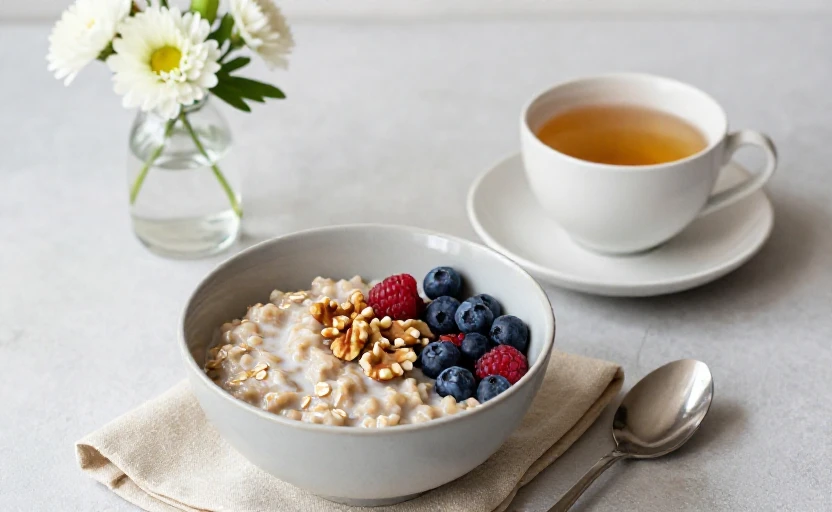
You know the feeling. The alarm goes off, and before your feet even hit the floor, a wave of unease settles in. Your heart might race, your thoughts might spiral, and the simple act of starting your day feels like a monumental task. This is morning anxiety, and while its roots are complex, what you put on your plate first thing can be a powerful tool for finding your footing.
Nutrition doesn't replace professional mental health support, but it can lay a foundational layer of stability. The right breakfast acts as a steadying hand, helping to balance blood sugar, support neurotransmitter production, and calm your nervous system. It's about choosing foods that work with your body's chemistry, not against it.
Why Breakfast Matters for Anxiety
After a night of fasting, your body is running on empty. Skipping breakfast or choosing the wrong foods can send your blood sugar on a rollercoaster. A rapid spike from sugary cereal or a pastry is often followed by a sharp crash. This crash isn't just physical—it can trigger the release of stress hormones like cortisol and adrenaline, mimicking or worsening feelings of anxiety.
A stable blood sugar level is one of the most direct ways food can influence a calm state of mind.
Furthermore, your brain needs specific nutrients to produce neurotransmitters like serotonin and dopamine, which regulate mood, focus, and a sense of well-being. Without the right building blocks at the start of the day, your brain is trying to do its most demanding work without adequate resources.
Key Nutrients for a Calmer Morning
Focusing on a few key nutrients can transform your morning meal from a source of stress into a source of steadiness.
Complex Carbohydrates & Fiber
Unlike simple sugars, complex carbs are digested slowly, providing a steady stream of glucose to the brain. This helps avoid the jittery peaks and anxious troughs. Fiber amplifies this effect. Think rolled oats, quinoa, whole-grain bread, or sweet potatoes.
Protein
Including protein with your carbs further slows digestion, prolonging that stable energy. It also provides the amino acid tryptophan, a precursor to serotonin. Good sources include Greek yogurt, eggs, cottage cheese, nuts, seeds, and legumes like chickpeas or lentils.
Healthy Fats
Your brain is nearly 60% fat, and it needs a constant supply of healthy fats to function optimally. Omega-3 fatty acids, in particular, have been studied for their role in reducing inflammation and supporting brain health. Add chia seeds, flaxseeds, walnuts, or avocado to your morning.
Magnesium & B Vitamins
Magnesium is often called nature's relaxant; it helps regulate the nervous system. B vitamins are crucial for converting food into energy and synthesizing neurotransmitters. Leafy greens, nuts, seeds, bananas, and eggs are excellent ways to include these.
What a Calming Breakfast Looks Like
The goal is a balanced plate that combines these elements. Here are a few concrete ideas that move beyond theory.
- Savory Oatmeal: Cook rolled oats with broth or water, then top with a soft-boiled egg, a handful of spinach (which wilts in), and a sprinkle of pumpkin seeds.
- Yogurt Parfait: Layer plain Greek yogurt with berries, a tablespoon of chia or ground flaxseed, and a few walnuts. The probiotics in yogurt may also support gut-brain axis health.
- Scrambled Tofu or Eggs: Sauté with chopped bell peppers and spinach. Serve on a slice of whole-grain toast with half an avocado.
- Chia Pudding: Made the night before by soaking chia seeds in milk (dairy or plant-based). In the morning, top with sliced banana and a dollop of almond butter.
If you have very little time, a smoothie can work, but be mindful of balance. Blend a handful of spinach, a scoop of protein powder or Greek yogurt, a tablespoon of nut butter, half a banana, and unsweetened milk.
Foods and Habits to Approach with Caution
Just as some foods support calm, others can undermine it. This isn't about strict rules, but about informed choices.
Be cautious with high-sugar breakfasts (pastries, sugary cereals, flavored yogurts) and large doses of caffeine on an empty stomach. Caffeine can directly stimulate the nervous system, potentially increasing heart rate and anxious feelings. If you enjoy coffee, try having it with your balanced meal, not before.
Hydration is also part of the equation. Starting your day with a glass of water can help with the mild dehydration that occurs overnight, which can sometimes exacerbate feelings of fatigue and anxiety.
Listening to Your Body
There is no single perfect breakfast for everyone. Some people feel best with a larger, protein-rich meal, while others prefer something lighter. The key is to observe. How do you feel an hour after eating? Energized and focused, or sluggish and more anxious?
Use these principles as a guide, not a rigid prescription. Start with one small change—maybe adding a spoonful of seeds to your usual cereal or swapping white toast for whole grain. Building a breakfast that prevents morning anxiety is a gentle, ongoing practice of nourishing yourself, one peaceful bite at a time.