If you take thyroid medication, you likely know that timing matters. You might be taking your pill first thing in the morning, on an empty stomach, waiting a designated interval before your morning coffee or breakfast. But what exactly should you reach for when the timer is up? And does what you eat throughout the rest of the day also factor into how well your medication works?
As a health editor who has spent years covering endocrine health, I can tell you that the relationship between thyroid medication and food is both more structured and more flexible than most people realize. The goal is consistent, reliable absorption — and a few targeted shifts in your daily diet can support that without turning your life into a series of strict medical procedures.
Why Food Changes How Your Thyroid Medication Works
Most thyroid medications — including levothyroxine (Synthroid, Levoxyl, Tirosint) and liothyronine (Cytomel) — are absorbed in the small intestine. Once ingested, they travel into your bloodstream and need to remain intact to deliver the correct dose of hormone to your cells.
The problem is that several common compounds in food can interfere with that journey. Calcium, iron, high-fiber ingredients, and certain soy products can bind to the medication, preventing it from crossing the gut lining effectively. This doesn't mean you can't ever have these foods; it simply means you need to manage the timing and portions to protect your absorption window.
The 4-hour rule for consistency: Most dietitians recommend taking thyroid medication at least 3–4 hours apart from any high-calcium, high-iron, or high-fiber meal or supplement. This window dramatically reduces the risk of binding interference.
The Morning Routine: What to Eat After Your Pill
Assuming you take your medication with a full glass of water on an empty stomach — ideally 30–60 minutes before any food or beverage — the real question is what you eat at that first meal. Here is what dietitians actually suggest for the meal that breaks the fast.
Low-Calorie, Neutral Breakfasts Work Best
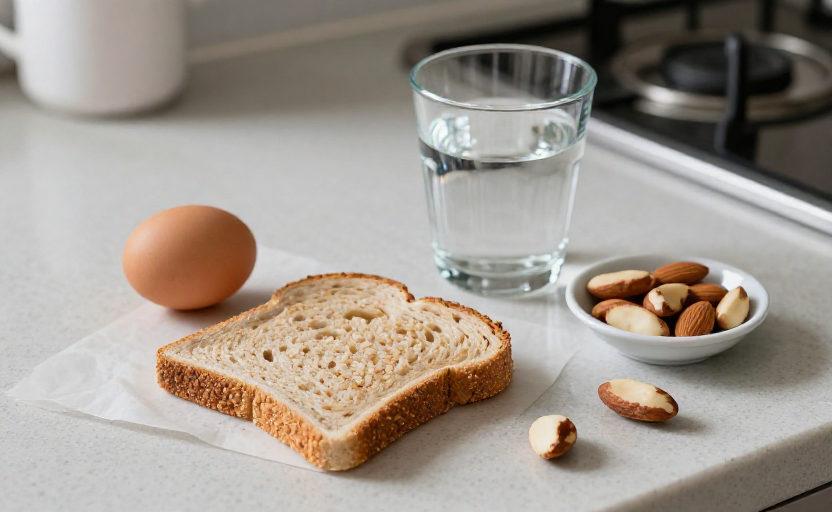
Keep the first meal simple. If you are eating within an hour of your dose, avoid calcium-rich dairy (milk, yogurt, cheese), iron-fortified cereals, whole grains, or large portions of legumes. A balanced breakfast of eggs, non-fortified toast, and a small piece of fruit is a safe, effective choice. Egg protein does not bind to thyroid medication, making eggs an excellent first-food choice for people on thyroid therapy.
If you need something lighter, think plain rice cakes, a banana, or a simple oatmeal made with water (skip the milk until later). The goal is to provide your body with energy without adding substances that might compete for absorption.
When to Have Coffee or Tea
This is a major sticking point for many. Coffee can reduce levothyroxine absorption by as much as 30–40% if consumed too close to the medication. If you absolutely must have coffee first thing, wait at least 60 minutes after your pill. Even then, keeping the coffee black — without added milk or cream — is best during that first window. Green and black teas also contain compounds that can interfere, so treat them similarly.
Foods and Nutrients That Support Thyroid Function (Without Interfering)
This is where the real opportunity lies. The goal is not just to dodge absorption inhibitors; it is to give your body the micronutrients it needs to convert the medication into usable thyroid hormones. Selenium and zinc are two of the most crucial for that conversion process.
- Selenium-rich foods: Brazil nuts (just two per day meets your target), tuna, sardines, eggs, and sunflower seeds. Selenium is a cofactor for the enzymes that convert T4 (levothyroxine) to the active T3 hormone.
- Zinc-rich foods: Oysters, beef, pumpkin seeds, chickpeas, and cashews. Low zinc levels are linked to suboptimal thyroid function even when medication is adequate.
- Iodine: While most people in the U.S. get enough iodine from iodized salt and dairy, being mindful of iodine intake is worthwhile. Too little can impair thyroid function; too much — especially from supplements like kelp — can aggravate autoimmune thyroid conditions. The best approach is to rely on food sources and discuss supplementation with your doctor.
These nutrients work best when they are spaced appropriately from your medication — typically at lunch, dinner, or as an afternoon snack — so they support your thyroid without competing for absorption.
Fiber: The Tricky Balancing Act
Fiber is well-known for supporting heart health, stable blood sugar, and digestion. But a very high-fiber meal consumed close to your thyroid medication can reduce absorption. Does this mean you should cut fiber out? Absolutely not. The answer is timing and distribution.
If you eat a high-fiber breakfast — such as steel-cut oats with berries, chia pudding, or a whole-grain wrap — simply push that meal to at least 90 minutes after your dose. Spreading your fiber across the day (rather than loading it all into one meal) also reduces the peak binding effect. Many of my readers find that switching to a moderate-fiber morning (like eggs and white toast) and saving the high-fiber bulk for lunch and dinner works seamlessly with their medication schedule.
Common Foods That Need Strategic Timing
Below is a quick reference for foods you do not need to avoid — ever — but that deserve a careful time gap from your daily pill.
- Dairy (milk, yogurt, cheese, ice cream): The calcium in dairy binds strongly to thyroid medication. Keep dairy at least 3–4 hours from your dose. Many people take their pill at 6 a.m. and enjoy yogurt at a 9 a.m. snack or cheese at lunch without any issue.
- Iron-rich foods (red meat, spinach, fortified cereals): Iron interferes in the same way as calcium. A high-iron breakfast like a bowl of fortified cereal with milk is a double interference. Shift that meal to later in the day, or take your iron supplements (if prescribed) at bedtime.
- Soy products (tofu, edamame, soy milk, tempeh): Soy isoflavones can inhibit thyroid peroxidase, which is important for medication absorption and conversion. Soy in moderation is fine for most people, but keep it spaced by the same 3–4 hour window.
- Grapefruit and grapefruit juice: These can affect drug-metabolizing enzymes in the liver. The interaction with thyroid medication is less dramatic than with statins, but it is still best to avoid grapefruit entirely during the absorption window.
Do You Need a Thyroid-Supporting Diet Overall?
The short answer is yes — but not in the way some wellness marketers describe. There is no one "thyroid diet" that fixes hypothyroidism. However, an anti-inflammatory eating pattern — rich in vegetables, lean protein, healthy fats, and whole foods — supports your overall endocrine system and may help reduce symptoms like fatigue and weight gain that can persist even when labs look normal.
Most importantly, stay consistent. If you vary the timing of your medication, the foods you eat nearby, or your supplement regimen, your thyroid levels can swing up and down. The body thrives on routine. Pick a schedule that works for your life, follow the spacing guidelines, and you are already doing more than most to get the most out of your prescription.