
You've spent the day away from screens, letting your eyes and brain reset. The blue light is gone, the notifications are silenced. But when your head hits the pillow, sleep still won't come. It's a familiar frustration—one that often comes down to what you put on your plate in the hours before bed.
The foods you eat after a digital detox can either reinforce the calm you've built or undo it. Sleep-friendly nutrition works with your body's natural rhythms, supporting the production of melatonin, serotonin, and other sleep-regulating compounds. Here's what to reach for when you're ready to turn a screen-free day into deep, restorative rest.
Why food matters after a screen-free day
Spending a day without screens lowers your exposure to artificial blue light, which can interfere with melatonin production. That's a powerful first step. But if you follow it with a heavy, sugary, or stimulating meal, you can blunt the benefits. The right foods help your brain transition from wakefulness to sleep by providing precursors to key neurotransmitters.
The goal isn't to eat a specific “sleep diet” every night. It's to choose nutrient-dense foods that support your body's winding-down process—especially after you've already done the work of unplugging.
Tryptophan-rich foods: the melatonin precursors
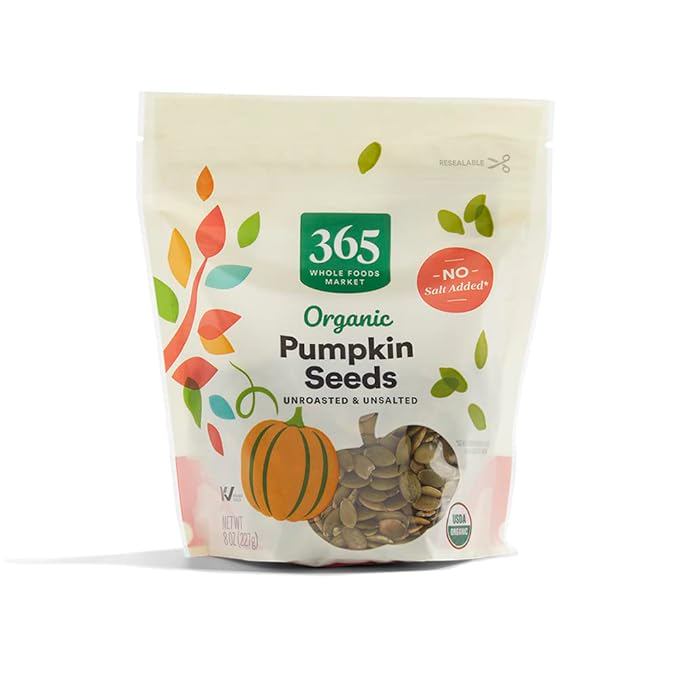
Tryptophan is an amino acid that your body uses to produce serotonin and melatonin. Serotonin promotes a calm mood, while melatonin sets the stage for sleep. Foods naturally high in tryptophan include turkey, chicken, eggs, cheese, pumpkin seeds, and soy products like tofu or edamame. Pairing them with a small amount of carbohydrate helps the tryptophan cross the blood-brain barrier more efficiently.
A simple evening snack might be half a turkey sandwich on whole-grain bread, a small bowl of plain yogurt with a sprinkle of pumpkin seeds, or a few whole-grain crackers with cheese. Keep the portions modest—too much food before bed can disrupt sleep even if it contains the right nutrients.
Complex carbohydrates for steady blood sugar
Your sleep quality is closely tied to blood sugar stability. A spike in blood sugar from refined carbs or sweets can trigger an insulin surge, followed by a drop that leads to night waking. Complex carbohydrates digest more slowly. They provide a gentle rise in blood sugar and support the transport of tryptophan to the brain.
Oats, quinoa, brown rice, sweet potatoes, and whole-grain bread are good choices. A small serving of cooked oatmeal (made with milk or a plant-based alternative) about an hour before bed can be soothing. You can add a few nuts or a drizzle of honey, but keep the added sugar low.
Magnesium: the relaxation mineral
Magnesium helps activate the parasympathetic nervous system—the one responsible for rest and digestion. It also binds to GABA receptors in the brain, promoting calm. Low magnesium levels are associated with restless sleep and muscle tension.
Foods rich in magnesium include dark leafy greens (spinach, kale, Swiss chard), almonds, cashews, pumpkin seeds, black beans, bananas, and avocados. A small handful of almonds or a spinach salad with avocado at dinner can provide a magnesium boost without overloading your stomach.
Calcium: more than just bone health
Calcium helps the brain use tryptophan to manufacture melatonin. That's why a glass of warm milk has been a bedtime staple for so long. You can also find calcium in yogurt, kefir, fortified plant milks, broccoli, and kale. For a pre-bed snack, try a small glass of warm milk or a few ounces of yogurt with a sprinkle of pumpkin seeds.
Potassium for muscle relaxation
Potassium supports muscle relaxation and nerve signaling. Low potassium can cause nighttime leg cramps or restless legs, making it hard to settle down. Bananas are the most well-known source, but sweet potatoes, spinach, avocado, and tomatoes also provide generous amounts.
The simple evening snack of half a banana with a dollop of almond butter hits potassium, magnesium, and a touch of healthy fat—all without heavy digestion.
Foods and drinks to avoid after a digital detox
Just as there are sleep-friendly foods, there are substances that can sabotage your rest. Caffeine has a half-life of several hours, so afternoon coffee or tea can still be keeping you alert at night. Even decaf contains small amounts.
Alcohol might make you feel drowsy initially, but it reduces rapid-eye-movement (REM) sleep and can lead to early morning wakefulness. Spicy or acidic foods can cause heartburn if eaten too close to bedtime. And sugary desserts or refined snacks can spike blood sugar, leading to restless sleep.
If you've done a digital detox, you've already cut out one stimulant—screen light. Extend that win by avoiding caffeine and alcohol for at least four to six hours before bed, and keep dinner and snacks relatively light and nutrient-dense.
Hydration without disruption
Being dehydrated can make you feel groggy and agitated, but guzzling water right before bed leads to middle-of-the-night bathroom trips. The solution is to stay well-hydrated throughout the day and taper off fluids in the hour before sleep. If you're thirsty before bed, a few small sips is fine.
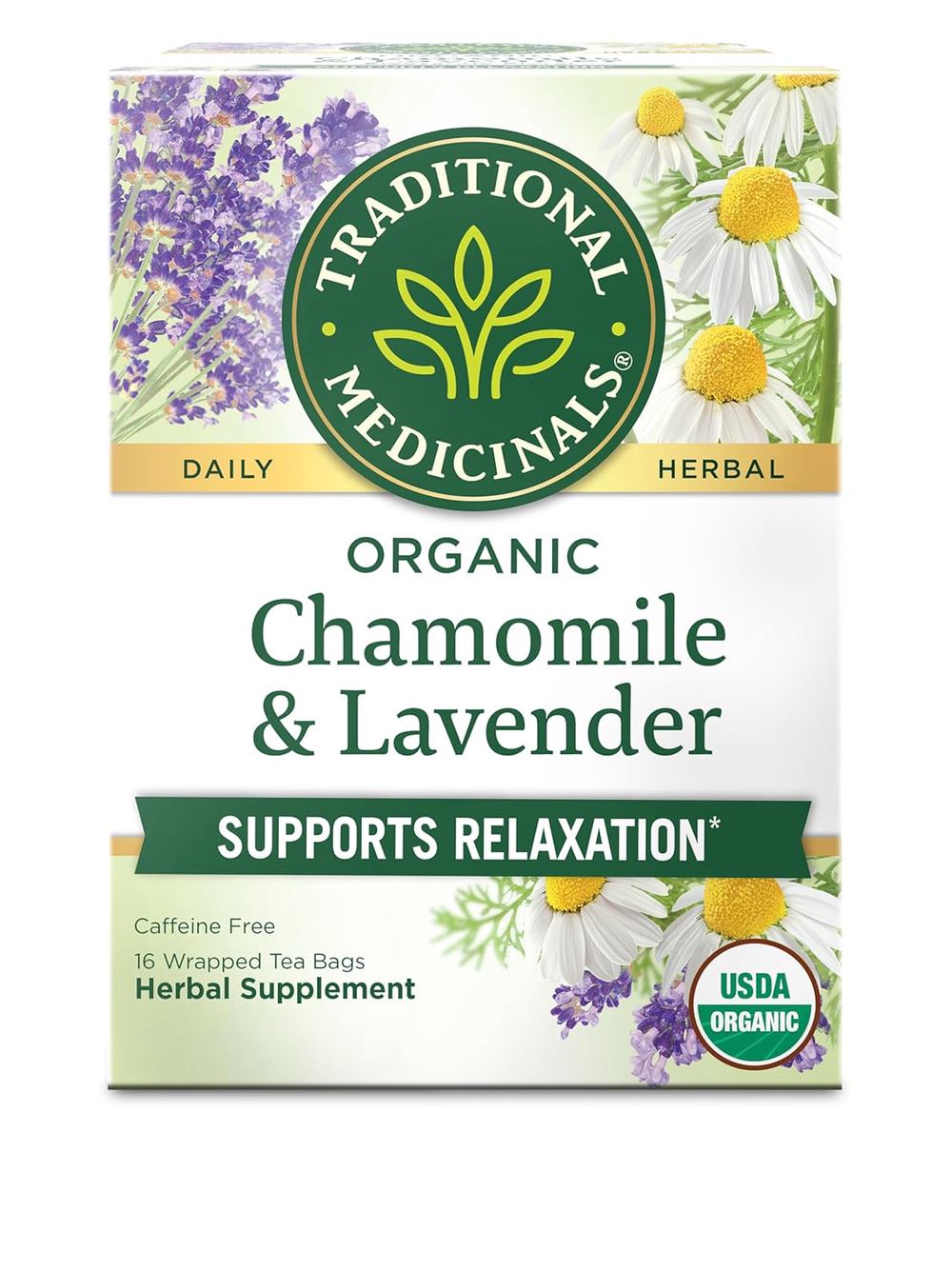
Herbal teas like chamomile, lavender, or passionflower offer a gentle way to cap off the evening. They aren't a substitute for solid nutrition, but they can reinforce the relaxation from a screen-free day.
Building a wind-down meal or snack
Think of your last food intake as part of your bedtime routine. A good formula is:
- A complex carb base (small portion of oatmeal, whole-grain toast, or a banana)
- A protein source with tryptophan (turkey, cheese, yogurt, or pumpkin seeds)
- A magnesium-rich addition (almonds, spinach, or avocado)
A real-world example: a small bowl of plain yogurt with sliced banana and a tablespoon of pumpkin seeds. That hits tryptophan, calcium, potassium, magnesium, and complex carbs in one balanced snack. Another option is two tablespoons of cottage cheese with a few whole-grain crackers and half an avocado.
When to eat before bed
Timing matters. Eating a large meal too close to bedtime can cause indigestion and acid reflux. Aim to finish your last meal or substantial snack at least one and a half to two hours before lying down. If you need a small pre-bed snack, keep it to about 150–200 calories and eat it 30–60 minutes before sleep.
After a day of digital detox, your body is already in a lower state of stimulation. Smart food choices can help carry that calm into the night, letting you wake up feeling genuinely refreshed.