When the days grow shorter and sunlight becomes scarce, many people notice a shift in their mood, energy, and overall outlook. For those who experience seasonal depression—often called Seasonal Affective Disorder (SAD)—the change can feel heavy, making motivation and emotional well-being harder to sustain. While light therapy, movement, and sleep hygiene are frequently discussed tools, what you put on your plate also plays a meaningful role. Dietitians emphasize that certain foods can support brain chemistry in ways that help buffer against the winter blues.
The connection between food and mood is a two-way street. What you eat influences the production of neurotransmitters like serotonin and dopamine, which regulate happiness, focus, and calm. Seasonal depression can disrupt these systems, but targeted nutrition choices can help stabilize your baseline and give your brain the raw materials it needs to function optimally.
Why food matters for seasonal mood changes
Seasonal depression isn't just feeling a little down in winter—it's a distinct pattern of depressive symptoms that typically emerge during fall and winter and lift in spring and summer. Research links it to reduced sunlight exposure, which can disrupt your circadian rhythm and lower serotonin levels. This is where diet steps in: certain nutrients directly support serotonin synthesis, help regulate blood sugar (which affects energy and irritability), and fight the inflammation that may contribute to depressive symptoms.
Registered dietitians point to three main mechanisms: amino acid availability (tryptophan is a precursor to serotonin), vitamin D sufficiency (critical since winter sun is weak), and omega-3 fatty acids that support brain cell communication. Eating with these goals in mind doesn't mean a complete overhaul—it means adding strategic foods to your regular meals.
Foods rich in tryptophan to support serotonin
Serotonin is often called the happiness molecule, and it's made from the amino acid tryptophan. Your body can't produce tryptophan on its own, so you need to get it from food. Dietitians suggest pairing tryptophan-rich foods with complex carbohydrates to help the amino acid cross the blood-brain barrier more effectively.
Top sources include turkey, chicken, eggs, salmon, tofu, nuts and seeds (especially pumpkin seeds and almonds), and dairy products like yogurt and milk. A simple dinner of grilled salmon with roasted sweet potatoes and a side of steamed greens provides both tryptophan and the carbs needed to transport it where it matters.
Breakfast too can be optimized: a bowl of oatmeal topped with pumpkin seeds and a drizzle of honey offers a grounding start. The key is consistency—spreading these foods throughout the day rather than loading them into one meal.
A quick tip: Pair carbohydrate-rich foods with protein sources to improve serotonin availability. Think apple slices with nut butter, or scrambled eggs with whole-grain toast.
Omega-3 fatty acids for brain inflammation and mood
Chronic low-grade inflammation is increasingly linked to depression, and omega-3 fatty acids are among the most potent anti-inflammatory nutrients available. They are concentrated in the brain and help maintain the flexibility of cell membranes, which supports communication between neurons.
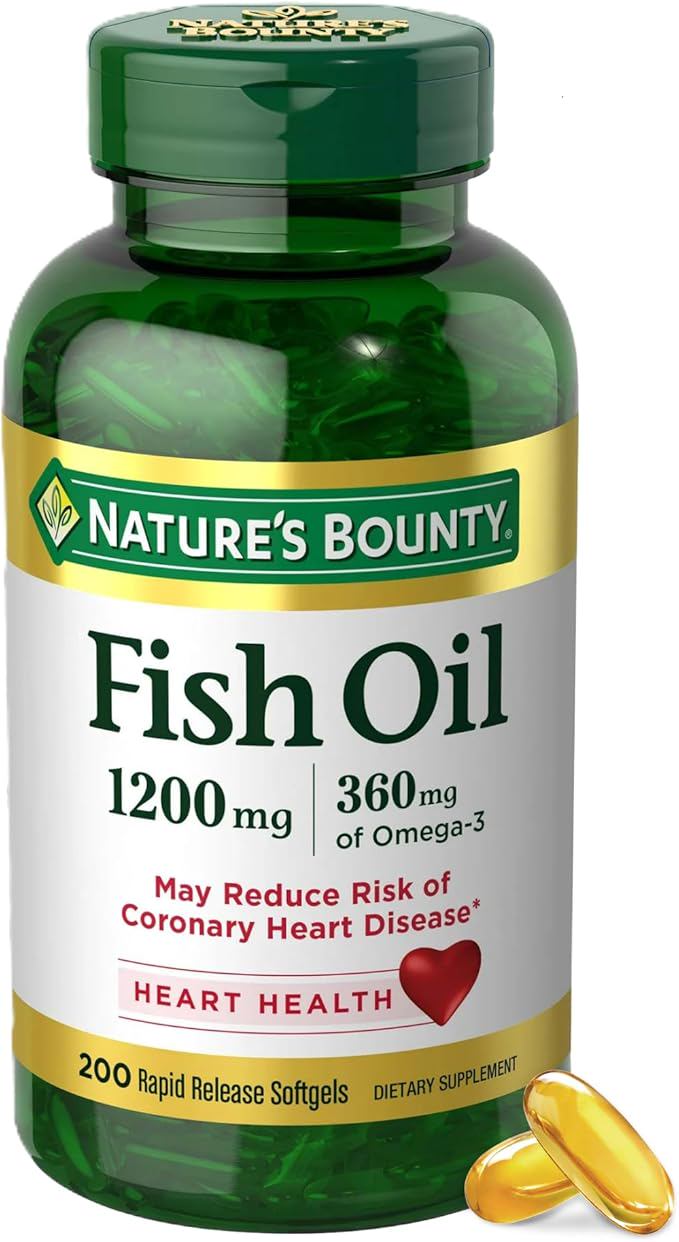
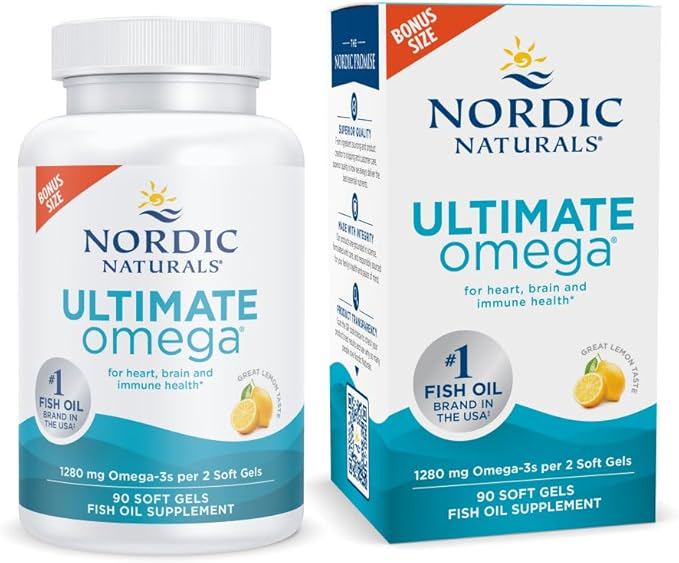
Dietitians recommend fatty fish like salmon, mackerel, sardines, and anchovies two to three times per week. For those who don't eat fish, plant-based sources include ground flaxseed, chia seeds, hemp seeds, and walnuts. A caveat: plant-based omega-3s (ALA) need to be converted into the active forms EPA and DHA, which happens inefficiently in the body. A fish oil or algal oil supplement can be a practical addition, though whole foods remain the ideal foundation.
Try layering omega-3s into meals: add chia seeds to overnight oats, sprinkle ground flaxseed over roasted vegetables, or snack on a small handful of walnuts. These small habits accumulate over the season.
Vitamin D: the winter sun substitute
Vitamin D deficiency is more common in winter due to reduced UVB exposure, and low levels are consistently associated with depressive symptoms. While the body can make vitamin D from sunlight, dietary sources become critical during darker months.
Natural food sources include cod liver oil, fatty fish, egg yolks, and UV-exposed mushrooms. Many people also rely on fortified foods like milk, orange juice, and breakfast cereals. Dietitians caution that it's very difficult to get adequate vitamin D from food alone; a blood test can help determine if supplementation is needed. For general support, include at least one good dietary source daily—perhaps two poached eggs at breakfast or a serving of fortified plant milk.
When selecting supplements, dietitians often recommend vitamin D3 over D2, as it's more effective at raising blood levels. But as always, talk to your healthcare provider before starting any new supplement.
Complex carbohydrates to stabilize energy and mood
One of the less recognized drivers of mood instability is blood sugar fluctuation. When you eat a high-sugar, low-fiber meal, your blood sugar spikes and crashes—and that crash often brings irritability, fatigue, and brain fog. For someone already vulnerable to seasonal depression, these dips can feel magnified.
Complex carbohydrates help by providing a slower, steadier energy release. Dietitians highlight whole grains like oats, quinoa, brown rice, buckwheat, starchy vegetables like sweet potatoes and winter squash, beans and lentils, and intact fruits (not juice). They also deliver fiber, which supports the gut-brain axis—another emerging link between digestion and mood.
In practical terms, swapping white rice for quinoa at dinner, choosing a lentil soup for lunch, or eating an apple instead of drinking apple juice are simple wins. These carbohydrates also help with the tryptophan uptake mentioned earlier, so they serve a dual role.
Fermented foods for gut-brain connection
The gut microbiome communicates directly with the brain via the vagus nerve, and an imbalanced gut has been tied to higher rates of depression. Fermented foods introduce beneficial bacteria that can help strengthen this connection.
Dietitians suggest plain yogurt or kefir, kimchi, sauerkraut, miso, tempeh, and fermented pickles (in brine, not vinegar). Even a small serving daily—like a quarter cup of kimchi with dinner or a miso soup at lunch—can shift the microbial landscape over time. The key is variety: different fermented foods contain different strains of bacteria, so rotating them is beneficial.
A word of caution: if you're not used to fermented foods, introduce them slowly. Starting with one tablespoon of sauerkraut or a few sips of kefir per day gives your digestive system time to adjust.
Practical meal combinations for seasonal depression
Knowing individual mood-supporting foods is useful, but the real power is in combining them into satisfying meals. Here are three dietitian-backed ideas that layer multiple benefits:
- Breakfast bowl: Plain Greek yogurt topped with a tablespoon of ground flaxseed, a handful of walnuts, and sliced banana. The yogurt provides tryptophan and probiotics; flax and walnuts offer omega-3s; banana adds quick carbs to help tryptophan absorption.
- Lunch salad: Spinach base with grilled salmon, quinoa, chopped sweet potato, and a sprinkle of pumpkin seeds. Salmon supplies omega-3s and vitamin D; quinoa and sweet potato are complex carbs; pumpkin seeds add tryptophan and zinc.
- Warming dinner: Lentil and vegetable stew made with turmeric and ginger, served with a side of steamed kale and a dollop of sauerkraut. Lentils stabilize blood sugar, greens provide folate (linked to mood regulation), and sauerkraut supports gut health.
These meals aren't about restrictions—they're about adding targeted, delicious foods that work with your brain chemistry rather than against it.
The role of hydration and limiting mood disruptors
Dehydration can mimic or worsen depressive symptoms, including fatigue, poor concentration, and irritability. Dietitians recommend keeping water intake steady, especially when the cold weather reduces thirst cues. Herbal teas like chamomile, peppermint, or ginger count toward hydration and provide comfort.
On the flip side, certain substances can undermine mood. Excess caffeine can spike anxiety and disrupt sleep; alcohol is a known depressant that also interferes with sleep architecture. Dietitians advise keeping coffee to one or two cups before noon, and limiting alcohol to special occasions—not daily use. When you do drink, pairing it with a glass of water can reduce the negative impact.
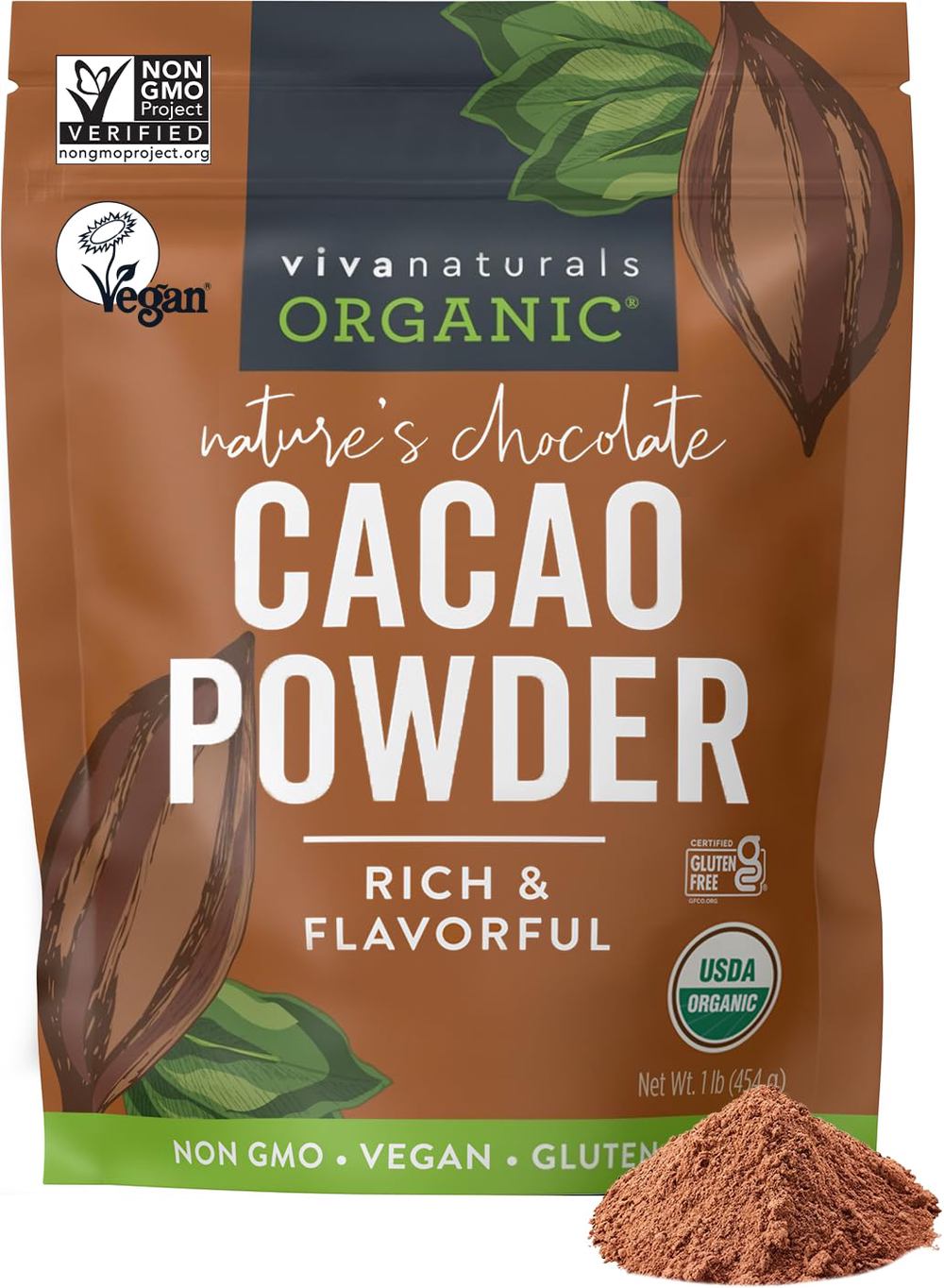
Sugar is another tricky player. A sweet treat now and then is fine, but a diet high in refined sugar promotes inflammation and blood sugar swings. If you crave something sweet, try dark chocolate (70% cocoa or higher) with a few almonds—it offers magnesium, which some research links to mood regulation.
A note on supplements and professional support
While food is a powerful tool, it is not a replacement for medical or mental health treatment. Seasonal depression can vary from mild to severe. Dietitians work alongside therapists, primary care providers, and psychiatrists—not in place of them.
Supplements like vitamin D, omega-3s, or a B-complex may be appropriate, but should be chosen based on individual blood work and health history. A registered dietitian can help tailor a plan that supports your unique needs. If you are experiencing thoughts of self-harm, intense hopelessness, or inability to function, please reach out to a crisis helpline or a mental health professional immediately.
Building a season-adapted eating pattern that stabilizes mood, supports brain function, and nourishes the gut is one part of a larger toolkit. Combined with light exposure, movement, sleep, and social connection, it can make winter feel a little more manageable—and even offer a sense of quiet resilience.