Chronic stress can feel like background noise that never stops — a low hum of tension that follows you from morning coffee to late-night scrolling. When every day brings a new demand, it’s easy to think that only a full day off or a vacation can reset your mental health. But small, intentional daily habits can offer real support, even when stress feels relentless.
Below are five evidence-informed habits that fit into ordinary routines. They are not about achieving perfect calm; they are about giving your nervous system small moments of safety and predictability. Over time, these micro-practices can help buffer the effects of ongoing pressure.
Start the day with a deliberate pause, not a phone
Many of us wake up and immediately reach for our phones, letting emails and headlines set the emotional tone for the day. A more protective habit is to build a short buffer between waking and screen-time. This pause can be as brief as three minutes: sit up, take three slow breaths, and name one thing you are not rushing toward. The point is to begin your day with intention rather than reaction. This simple act signals safety to the brain and may reduce the cortisol spike that comes from jumping straight into high-demand activity.
Anchor your nutrition with one consistent, whole-food meal
When stress is high, nutrition often becomes erratic — skipped meals, convenience snacks, or caffeine-heavy mornings. Rather than overhauling your whole diet, focus on making one meal each day reliable and nutrient-dense. A stable meal (think protein, fiber, and healthy fat) helps regulate blood sugar, which directly affects mood and energy. It also provides a moment of predictable nourishment, which can be deeply grounding. Over time, this one anchored meal becomes a non-negotiable act of self-trust.
Use short movement breaks instead of waiting for a full workout
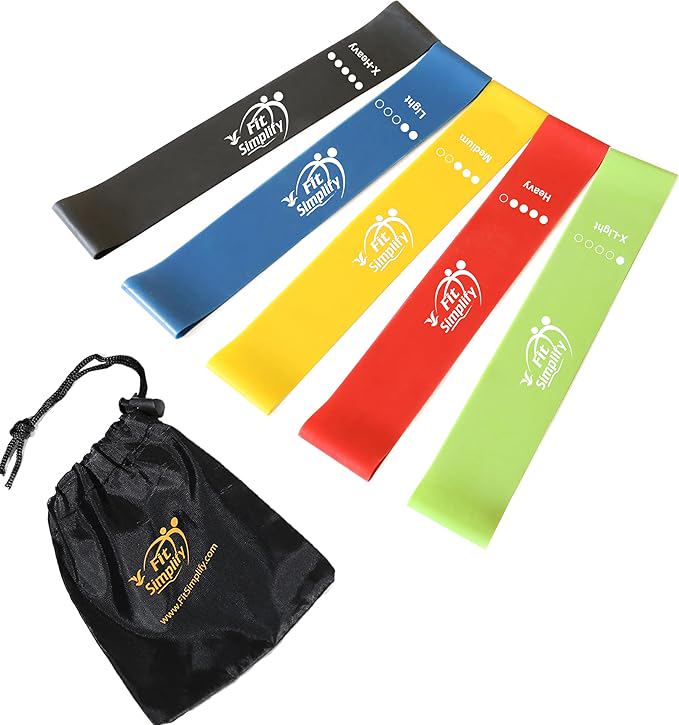
Chronic stress often saps the motivation for a full exercise session. When that happens, the all-or-nothing mindset can lead to skipping movement entirely. A better approach is to break movement into very small, low-pressure segments. A two-minute stretch between meetings, a slow walk around the block, or gentle neck rolls during a work break — these micro-movements lower muscle tension and shift the nervous system out of a freeze state. The goal is not a perfect routine but consistent, gentle motion that tells your body it is safe to release stored tension.
End your workday with a clear transition ritual
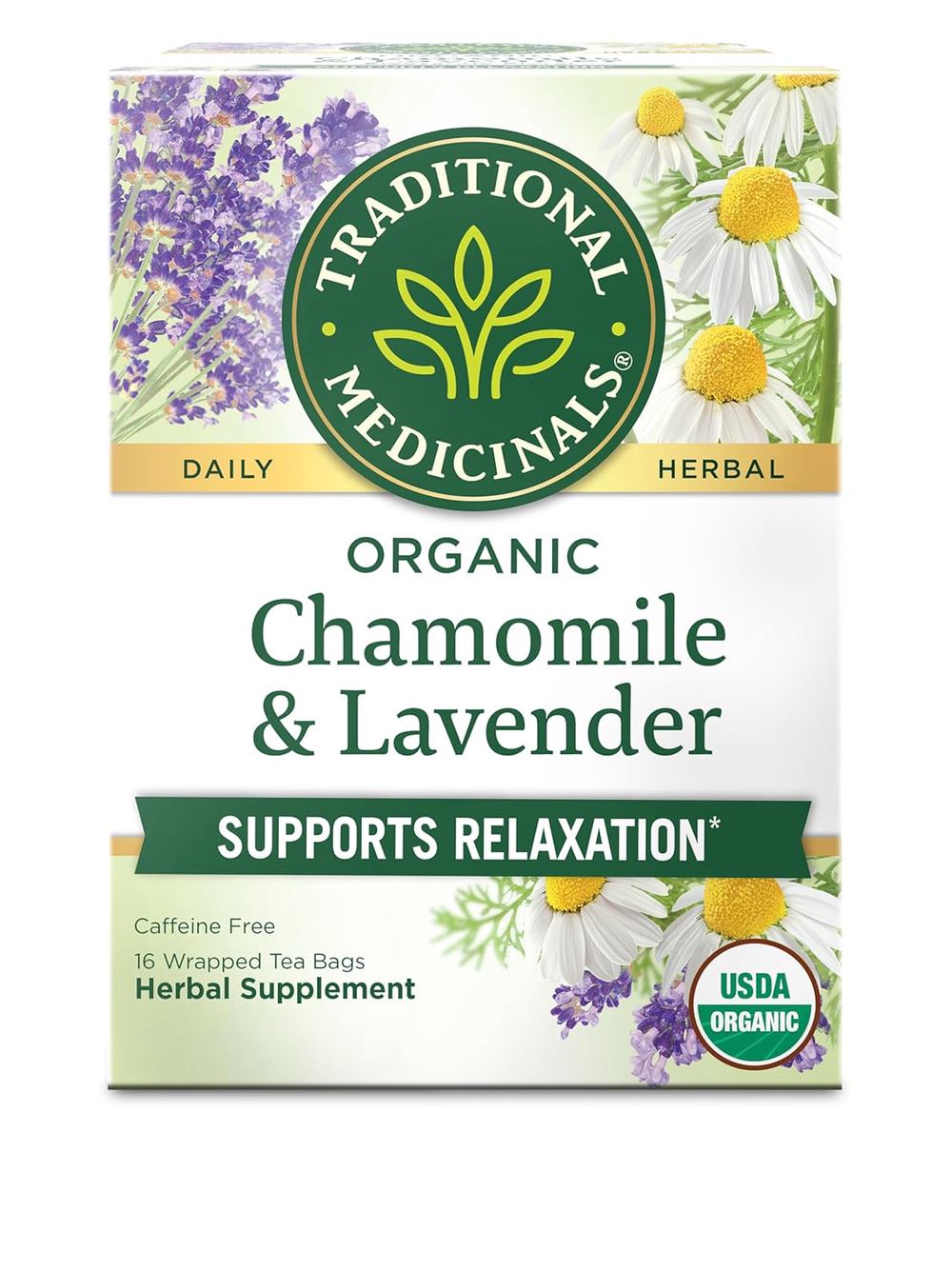
One of the biggest challenges of chronic stress is that the mind never really clocks out. Creating a deliberate end-of-work ritual helps draw a line between demand and rest. This could be as simple as changing your clothes, closing your laptop with a specific phrase (like “that’s enough for today”), or brewing a cup of herbal tea. The key is doing the same small sequence each day so your brain learns to associate it with shifting gears. Over weeks, this ritual becomes a reliable cue for the nervous system to begin settling.
Practice a brief gratitude scan before sleep
Sleep is often the first casualty of chronic stress. A gratitude scan doesn’t replace good sleep hygiene, but it can quiet the anxious mind that replays the day’s worries. As you lie in bed, take 30 seconds to name three very small things that were okay or pleasant — the warmth of your tea, a kind text, the feel of clean sheets. This is not toxic positivity; it is a way to train the brain to notice glimmers of ease amid difficulty. Doing this daily can gradually shift the brain's default attention pattern away from threat-detection and toward safety.
None of these habits require extra hours in the day. They ask only that you replace a fraction of automatic reactivity with small, chosen moments of care. When chronic stress feels constant, it’s not about eliminating pressure — it’s about building small, steady practices that remind your body it can still find rest.