Living with a congenital heart defect (CHD) means paying close attention to what your body needs — and that includes the fuel you give it. While there is no single "miracle food" that reverses a structural heart issue, the right dietary patterns can support your heart's function, manage symptoms, and improve your quality of life. Dietitians who specialize in cardiology emphasize that nutrition for CHD is not about strict deprivation; it is about strategic, consistent choices that reduce strain on the heart and support overall circulation.
The goal is to nourish your heart muscle, maintain healthy blood pressure, and keep fluid balance in check. Here is exactly what experts recommend focusing on — and why — for anyone navigating heart health with a congenital condition.
Why the standard heart-healthy diet still applies — with nuance
Many people with CHD assume they need a completely different diet from someone preventing heart disease. The truth is simpler. The same foundational principles — plenty of vegetables, whole grains, lean proteins, and healthy fats — benefit everyone, including those born with structural defects. The difference lies in the specifics. For example, if you have a condition like Tetralogy of Fallot or a single ventricle defect, your heart may work harder to pump blood, increasing your energy needs. On the other hand, some CHD medications, such as diuretics, can alter potassium and magnesium levels, making those nutrients especially important to monitor.
The top foods dietitians recommend for CHD
Omega-3-rich fish for inflammation and rhythm support
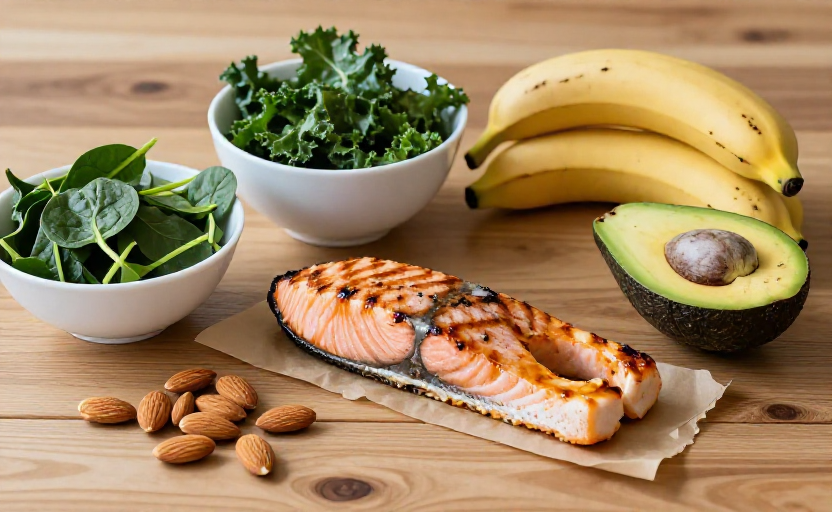
Fatty fish like salmon, mackerel, sardines, and trout deliver EPA and DHA, two types of omega-3 fatty acids that help reduce systemic inflammation and support stable heart rhythms. For people with CHD, who may be at higher risk for arrhythmias, including two servings of these fish per week is a practical, food-first strategy. "Omega-3s are one of the few nutrients that directly support the electrical activity of the heart," notes a clinical dietitian specializing in adult congenital cardiology.
Potassium-rich produce for blood pressure and fluid balance
Many people with CHD take diuretics or ACE inhibitors, which can deplete or alter potassium levels. Bananas, oranges, potatoes with skin, spinach, and avocados are accessible sources that help maintain electrolyte balance. This is not about loading up on supplements — it is about consistently including these foods across meals. If you are on a potassium-sparing diuretic, check with your cardiologist first, as needs vary.
Magnesium-heavy greens and seeds
Magnesium supports muscle relaxation in blood vessels, which can ease the workload on the heart. Leafy greens like Swiss chard and kale, along with pumpkin seeds, almonds, and black beans, are excellent sources. Even mild magnesium deficiency has been linked to increased palpitations, making it a particularly relevant nutrient for the CHD community.
Lean protein and plant-based alternatives
Red and processed meats are linked to higher blood pressure and inflammation. Instead, dietitians suggest chicken, turkey, eggs, tofu, lentils, and beans. These provide steady energy without the saturated fat load that can stiffen arteries over time — a concern for adults with repaired or unrepaired CHD who already face greater cardiovascular strain.
Simple swap: Replace one serving of red meat per week with a serving of lentils or chickpeas. Over a month, that reduces saturated fat intake significantly while boosting fiber and folate.
What to limit or avoid for better heart function
For most people with CHD, the biggest dietary offenders are not single foods but patterns — excessive sodium, added sugars, and trans fats. Sodium is the most critical. It makes the body retain fluid, which forces the heart to pump harder. Even if your blood pressure is currently normal, CHD can make the heart less adaptable to volume shifts. Dietitians recommend reading labels for hidden sodium in breads, canned soups, deli meats, and restaurant meals. Aim for less than 2,300 mg per day, or lower if your cardiologist advises it.
Similarly, added sugars — especially from sugary drinks — contribute to weight gain and inflammation, both of which complicate CHD management. Alcohol should be approached with caution; some CHD medications do not mix well with alcohol, and it can interfere with heart rhythm and blood pressure.
Meal timing and portions matter more than you think
Large meals divert blood flow to the digestive system, which can temporarily strain a heart with reduced pumping capacity. Eating smaller, more frequent meals — such as four to five mini-meals rather than three large ones — helps maintain energy without overwhelming the cardiovascular system. This is especially helpful for people with conditions like Fontan circulation or heart failure related to CHD.
Special considerations for common CHD scenarios
- If you take blood thinners (like Warfarin): Keep your intake of vitamin-K-rich foods like spinach and kale consistent from week to week — do not avoid them entirely. Consistency helps maintain stable INR levels.
- If you have heart failure or fluid restrictions: Work with a dietitian to find low-sodium, high-taste alternatives. Herbs, citrus, and vinegar can replace salt without making food bland.
- If you are pregnant with CHD: Nutritional needs increase significantly. Prioritize iron, folate, and omega-3s, always under the guidance of both a cardiologist and maternal-fetal medicine specialist.
Myth: A healthy diet can fix a structural heart problem
It is important to be clear: diet does not repair a hole in the heart, a valve defect, or a missing chamber. What nutrition does do is support the cardiovascular system so it works more efficiently despite its structural challenges. It can reduce complications, improve energy, and help you feel better day to day. No supplement or superfood replaces medical management, surgery, or regular follow-up care.
Practical steps to start today
You do not need to overhaul everything at once. Pick one change from the list above — swapping one processed snack for a piece of fruit, or using herbs instead of salt on your eggs. Small, consistent shifts add up more than a short-term strict diet ever could. And if you are unsure how your specific CHD diagnosis affects your nutritional needs, ask your cardiology team for a referral to a dietitian who works with adult congenital heart patients.