Planning a heart-healthy dinner doesn't require a culinary degree or a radical diet overhaul. Often, it's about making simple, intentional swaps and building your plate around a few powerful, proven ingredients. The goal is to create meals that are as satisfying to eat as they are supportive of your cardiovascular system—foods that help manage cholesterol, support healthy blood pressure, reduce inflammation, and protect blood vessels.
Focusing on whole, minimally processed foods is the cornerstone. Here are five foundational foods that frequently appear on the plates of heart-healthy eaters and come with strong backing from cardiovascular nutrition science.
Fatty Fish: The Omega-3 Powerhouse
Few foods are as consistently championed by heart doctors as fatty fish. The reason lies in their exceptional concentration of omega-3 fatty acids, specifically EPA and DHA. These fats are not just good for you; they play active, therapeutic roles in cardiovascular health.
Omega-3s help reduce triglycerides, a type of fat in your blood. They can lower blood pressure slightly and reduce inflammation throughout the body, including in your arteries. Perhaps most importantly, they help prevent the formation of blood clots and may stabilize heart rhythms. Aiming for two servings per week is a common recommendation.
Think beyond salmon. Mackerel, sardines, lake trout, albacore tuna, and herring are all excellent, sometimes more affordable, sources.
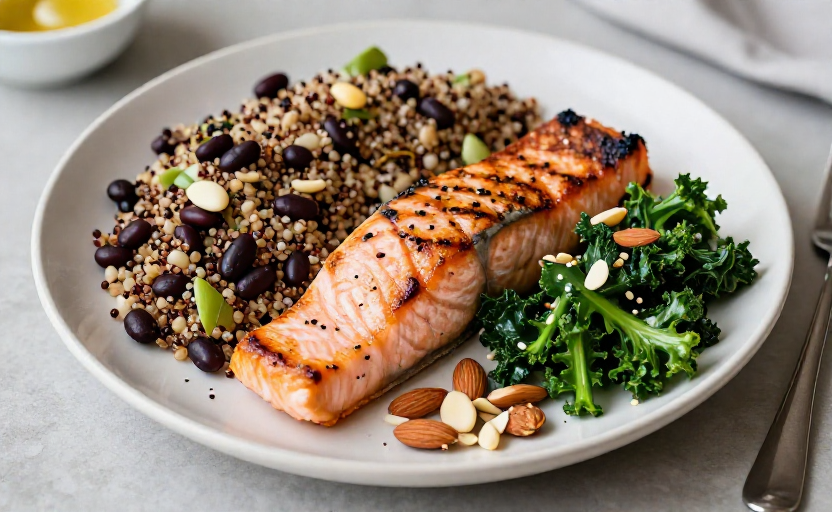
For dinner, try baking or grilling a filet with lemon and herbs. Flake cooked salmon into whole-grain pasta, or make a quick tuna salad with avocado instead of mayo for a heart-smart sandwich or lettuce wrap.
Leafy Green Vegetables: The Nutrient-Dense Base
Dark, leafy greens are nutritional powerhouses, packed with vitamins, minerals, and antioxidants with minimal calories. They are particularly rich in vitamin K, which helps protect your arteries and promote proper blood clotting. They’re also loaded with dietary nitrates, which your body converts to nitric oxide—a compound that helps relax blood vessels, improving blood flow and lowering blood pressure.
The fiber in these vegetables also binds to bile acids, helping your body excrete more cholesterol. Spinach, kale, collard greens, Swiss chard, and arugula all belong in this superstar category.
Incorporate them by making a large, colorful salad the center of your plate, topped with lean protein. Sauté greens with garlic and a splash of olive oil as a simple side. Blend a handful of spinach or kale into a soup or sauce for an unnoticed nutrient boost, or use large leaves as a replacement for tortillas or bread in wraps.
Whole Grains: The Sustaining Fiber Source
Swapping refined grains for whole grains is one of the most impactful changes you can make for heart health. Whole grains—like oats, quinoa, brown rice, barley, and farro—retain their bran and germ, which are packed with fiber, B vitamins, and minerals like iron and magnesium.
The soluble fiber found in oats and barley is especially notable. It forms a gel-like substance in your digestive tract that can bind to cholesterol and help remove it from your body. Overall, a diet rich in whole grains is linked to lower LDL (“bad”) cholesterol, lower blood pressure, and a reduced risk of heart disease.
For dinner, use quinoa or brown rice as a bed for stir-fries and stews. Choose whole-wheat pasta or bread. Try a hearty barley soup or a warm bowl of oatmeal topped with nuts and berries for a comforting evening meal.
Legumes: The Plant-Based Protein and Fiber Duo
Beans, lentils, chickpeas, and peas are foundational foods in many of the world’s healthiest dietary patterns. They offer a unique combination of plant-based protein, soluble fiber, and minerals like potassium and magnesium, all of which benefit heart health.
The protein and fiber work together to promote satiety, helping with weight management—a key factor for heart health. The soluble fiber content directly aids in lowering LDL cholesterol. Their potassium helps counteract the effects of sodium, supporting healthy blood pressure levels.
Legumes are incredibly versatile. Add lentils to a Bolognese sauce, use black beans as a taco filling, blend chickpeas into hummus as a veggie dip, or toss white beans into a pasta dish. They are economical, shelf-stable, and absorb the flavors of your favorite herbs and spices beautifully.
Nuts and Seeds: The Heart-Healthy Fat Snack (or Topping)
A small handful of nuts or seeds is a concentrated source of nutrients beneficial for your heart. They provide unsaturated fats, fiber, plant sterols (which can block cholesterol absorption), and vitamin E. Almonds, walnuts, flaxseeds, and chia seeds are particularly praised.
Walnuts are unique as they contain alpha-linolenic acid (ALA), a plant-based omega-3 fat. Studies consistently link regular, moderate nut consumption with improved cholesterol levels and reduced inflammation.
The key is moderation—a serving is about a small handful (roughly 1 ounce) due to their high calorie density.
For dinner, use them as a crunchy topping. Sprinkle slivered almonds on green beans, add walnuts to a salad, or stir ground flaxseed into yogurt or a smoothie. A tablespoon of chia seeds can thicken a sauce or pudding naturally.
Building a heart-healthy dinner is less about strict rules and more about a pattern. Start with a foundation of vegetables and whole grains, add a lean protein like fish or legumes, and incorporate healthy fats from nuts, seeds, or olive oil. By making these five foods regular guests at your table, you’re taking powerful, delicious steps toward long-term cardiovascular wellness.