Starting your day with intention for your heart doesn't require a complicated regimen or bland meals. It's about making simple, consistent choices that add up. A heart-smart breakfast focuses on foods that support healthy blood pressure, manage cholesterol, reduce inflammation, and provide steady energy without spiking blood sugar. The good news is that the options are both delicious and deeply nourishing.
We spoke with registered dietitians to cut through the noise and identify the foundational foods that belong on your morning plate. These aren't fleeting trends, but science-backed staples that deliver fiber, healthy fats, antioxidants, and protein—the core nutrients your cardiovascular system thrives on.
What makes a breakfast truly heart-healthy?
Before we get to the specific foods, it helps to understand the principles guiding these choices. A heart-protective breakfast consistently incorporates a few key elements. First is fiber, particularly soluble fiber, which can help lower LDL (the "bad") cholesterol. Next are healthy unsaturated fats, like those from nuts, seeds, and avocados, which support healthy cholesterol levels and reduce inflammation. Antioxidants from fruits, vegetables, and even coffee combat oxidative stress, a contributor to heart disease. Finally, adequate protein helps with satiety and stable blood sugar, preventing the mid-morning crashes that lead to less healthy choices.
The goal isn't perfection every single morning, but building a reliable rotation of foods you enjoy that also love you back.
Five dietitian-recommended foods to build around
Think of these foods as your breakfast toolkit. You can mix, match, and combine them to create endless satisfying meals.
1. Oats and other whole grains
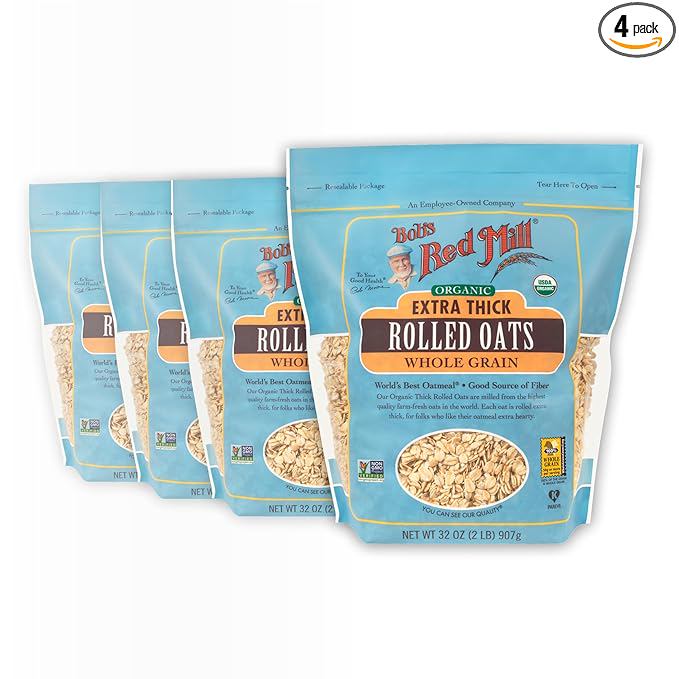
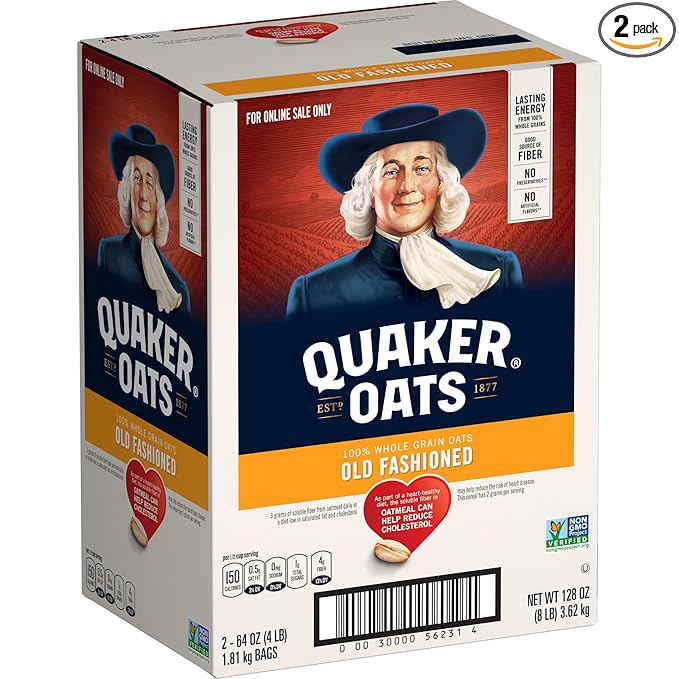
A bowl of oatmeal is a classic for good reason. Oats are rich in a type of soluble fiber called beta-glucan. This fiber forms a gel in your digestive tract, which can bind to cholesterol and help remove it from your body. The key is to choose steel-cut or old-fashioned rolled oats over instant varieties, which are often higher in added sugars and lower in fiber.
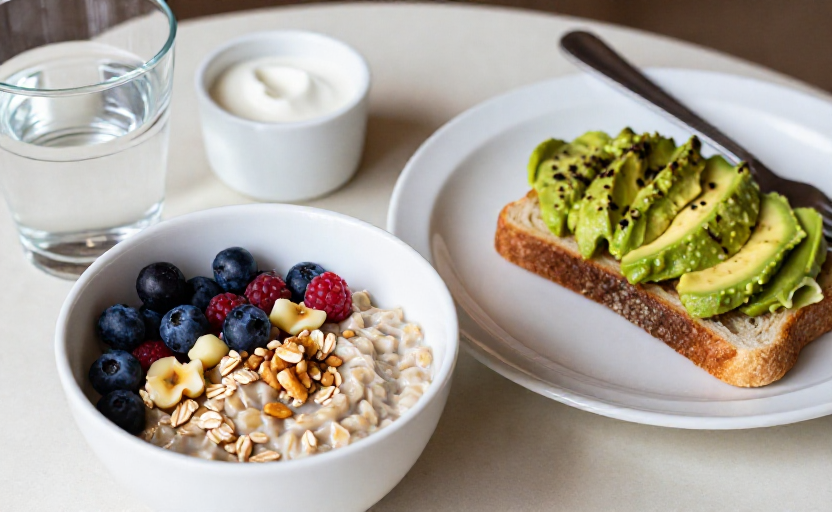
Don't stop at oats. Other whole grains like quinoa, barley, or whole-wheat toast offer similar benefits. A savory breakfast bowl with quinoa, vegetables, and an egg, or a slice of 100% whole-grain toast with avocado, are excellent ways to diversify your grain intake.
2. Berries and other deeply colored fruits
Blueberries, strawberries, raspberries, and blackberries are little powerhouses of heart health. They're loaded with antioxidants like anthocyanins, which give them their vibrant colors and have been linked to reduced blood pressure and improved blood vessel function. They're also high in fiber and vitamin C.
Frozen berries are just as nutritious as fresh and make for a convenient, budget-friendly option. Blend them into a smoothie, stir them into your oatmeal, or simply enjoy a bowl with a dollop of Greek yogurt.
3. Nuts and seeds
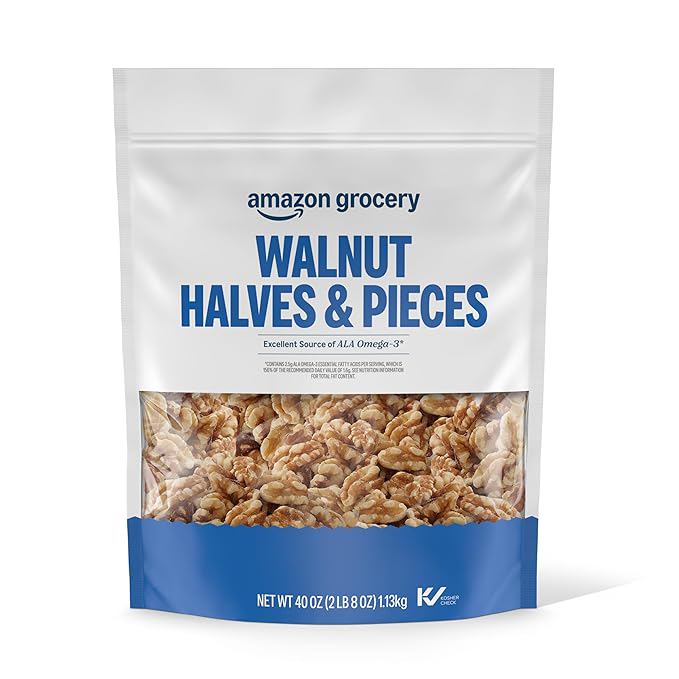
A small handful of walnuts, almonds, chia seeds, or flaxseeds can transform your breakfast. These are prime sources of unsaturated fats, plant-based protein, and fiber. Walnuts, in particular, are notable for their alpha-linolenic acid (ALA), a plant-based omega-3 fatty acid.
Flaxseeds and chia seeds offer a bonus: they provide soluble fiber and can form a gel, similar to oats. For best absorption, use ground flaxseed. Sprinkle these over yogurt, blend into smoothies, or stir into your cereal.
4. Greek yogurt or skyr
Opting for plain, unsweetened Greek yogurt or Icelandic skyr provides a significant protein boost to keep you full, along with probiotics for gut health. The protein helps manage hunger, which can support maintaining a healthy weight—a key factor for heart health. Choosing plain versions allows you to control added sugar; you can sweeten it naturally with the berries mentioned above.
For a dairy-free option, look for unsweetened soy yogurt, which also offers a complete plant-based protein.
5. Avocado
The creamy texture of avocado comes from its monounsaturated fats, which are supportive of heart health. Avocados also contribute nearly 20 vitamins and minerals and are a good source of fiber. Replacing saturated fat sources (like butter or cream cheese) with avocado on your toast is a simple, impactful swap.
Putting it all together: sample ideas
The magic happens in combination. Here are a few ways to assemble these foods:
- Savory Oatmeal: Cook oats with water or unsalted broth. Top with a soft-boiled egg, sliced avocado, a sprinkle of everything bagel seasoning, and a handful of microgreens.
- Berry & Nut Parfait: Layer plain Greek yogurt with mixed berries and a tablespoon each of chopped walnuts and ground flaxseed.
- Heart-Healthy Smoothie: Blend unsweetened almond milk, a big handful of spinach, frozen mixed berries, a tablespoon of chia seeds, and a scoop of plain protein powder or a few ounces of silken tofu.
- Avocado & Egg Toast: Mash half an avocado on whole-grain toast. Top with a poached egg and a sprinkle of red pepper flakes.
What to be mindful of
While adding these beneficial foods, it's also wise to be aware of common breakfast pitfalls. Watch out for added sugars in flavored yogurts, cereals, granola, and coffee drinks. Check nutrition labels. Be cautious with processed meats like bacon and sausage, which are high in saturated fat and sodium. If you enjoy them, consider them an occasional treat rather than a daily staple. Finally, portion size matters even with healthy foods; a quarter-cup of nuts is a serving, not the whole bag.
Building a heart-healthy breakfast habit is one of the most tangible, positive steps you can take for your long-term well-being. It sets a nourishing tone for the entire day.