If you live with PCOS, you know the struggle of waking up already feeling behind—sluggish, foggy, or hungry in a way that sets a shaky tone for the whole day. What you eat before you close your eyes can actually quiet that morning chaos. For women with PCOS, a targeted evening snack can help stabilize glucose production overnight, leading to steadier energy and fewer cravings when the sun comes up.
The central issue is something called the dawn phenomenon—a natural rise in blood sugar that happens in the early morning hours. In PCOS, insulin resistance magnifies this spike, making it harder for your body to clear the glucose. A well-chosen pre-bed bite can blunt that surge by giving your liver and muscles a slow, steady fuel source to work with through the night.
What makes a good pre-bed snack for PCOS?
The gold standard here is a pairing of two things: a small amount of complex carbohydrate (think fiber-rich, not sugary) plus a source of protein and healthy fat. This combo slows digestion, prevents a late-night insulin spike, and keeps your liver from dumping excess glucose as you sleep. Avoid anything high in refined sugar or simple starch—cookies, crackers, juice, or sweetened yogurt will almost certainly backfire.
Top foods to reach for before bed
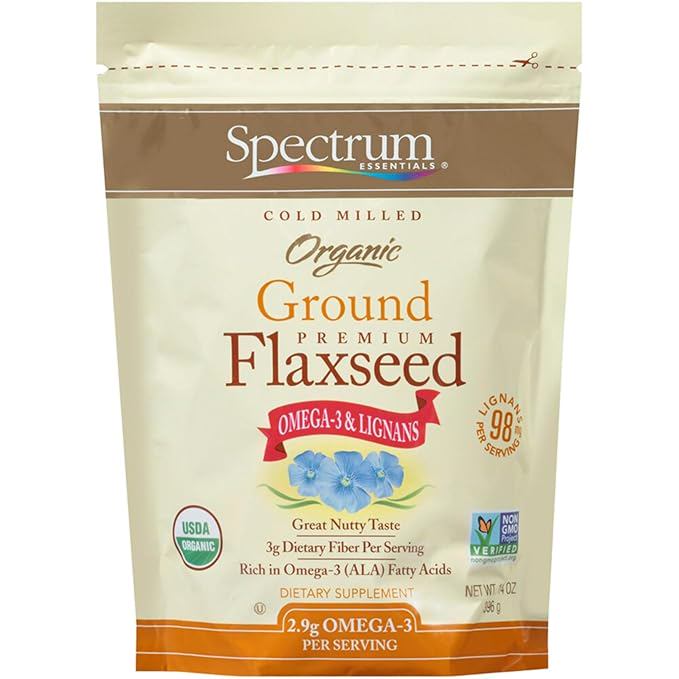
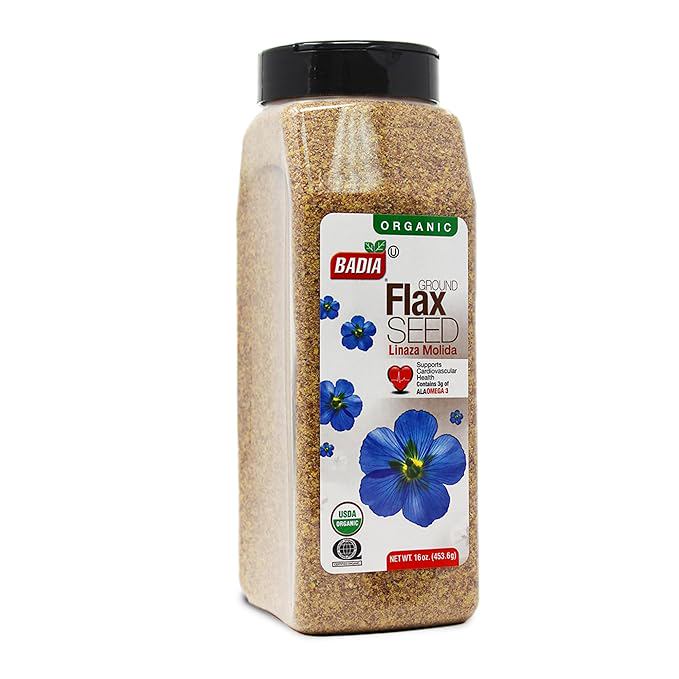
- Plain Greek yogurt (full-fat) with a tablespoon of ground flaxseed. The protein in yogurt takes hours to digest, and flax supplies soluble fiber that buffers glucose absorption.
- One small apple with 1 to 2 tablespoons of unsweetened almond butter. The apple offers gentle fiber; the almond butter provides protein and monounsaturated fat, which tell your body to release glucose slowly.
- A small handful of roasted chickpeas or edamame. These are protein-rich legumes with a low glycemic impact—ideal for a savory option that won't spike insulin.
- A half-cup of cottage cheese (full-fat) with a few walnut halves. Cottage cheese is unusually high in casein protein, which clots in the stomach and releases amino acids over many hours.
A simple rule of thumb: keep the total snack under about 200 calories. You want metabolic support, not a full meal.
Should you avoid all carbs at night?
Not at all. Restricting carbs entirely before bed can actually backfire for PCOS. Your brain and muscles need some glucose overnight. If you eat zero carbs, your liver may compensate by releasing stored glucose—often more aggressively than you'd like. Instead of cutting carbs, choose the right kind: vegetables, whole fruits, legumes, or whole grains in very modest amounts. A sliced pear with a thin schmear of ricotta, for example, works better than a slice of whole-grain toast with butter because the fruit delivers more fiber per carb.
Timing matters more than you think
Try to finish your snack about 30 to 60 minutes before you actually turn off the lights. Eating too close to lying down can stir up acid reflux and disrupt sleep quality, and poor sleep is its own driver of next-day insulin resistance. If you have dinner late (within three hours of bedtime), you may not need a separate snack at all—just make sure that dinner itself is built around protein, vegetables, and a modest serving of complex starch.
What if you're not hungry at night?
Many women with PCOS have low appetite in the evening, especially if they eat a larger dinner or have been restricting daytime calories. You do not need to force a snack. The pre-bed strategy is only helpful if you consistently wake with high fasting glucose or morning cravings. If you sleep fine and wake with normal blood sugar, your current routine is probably adequate. Listen to your body, but also check your data—a finger-stick fasting glucose reading once or twice a week can clarify whether your night eating needs adjustment.
Foods and drinks to skip before bed
- Alcohol—even one glass can lower morning blood sugar temporarily, then trigger a rebound high along with disrupted sleep.
- Sweetened lattes, hot chocolate, or any sugar-sweetened beverage.
- High-sugar fruit like pineapple, mango, or dried fruit (even if organic).
- Heavy meals high in saturated fat (like a burger or pizza)—these slow gastric emptying and raise inflammation markers overnight.
Hydration is also worth a mention. Drink enough water during the day, but taper off in the two hours before bed to avoid waking up for bathroom trips. Frequent nighttime awakenings fragment sleep and worsen insulin sensitivity.
Building a consistent pattern matters more than one perfect snack. Pair your evening choice with a consistent bedtime—going to sleep and waking at roughly the same hours helps your circadian clock regulate glucose metabolism. Over a few weeks, you'll likely notice that morning feels less like a battle. Your fasting blood sugar may improve, your energy at breakfast might feel steadier, and those mid-morning cravings for something sweet often quiet down.
Experiment gently. Try one of the combinations above for five nights and note how you feel in the morning. If one option makes you feel bloated or groggy, swap it out. This is a tool, not a diet—used wisely, it supports your body's natural overnight repair processes instead of fighting against them.