
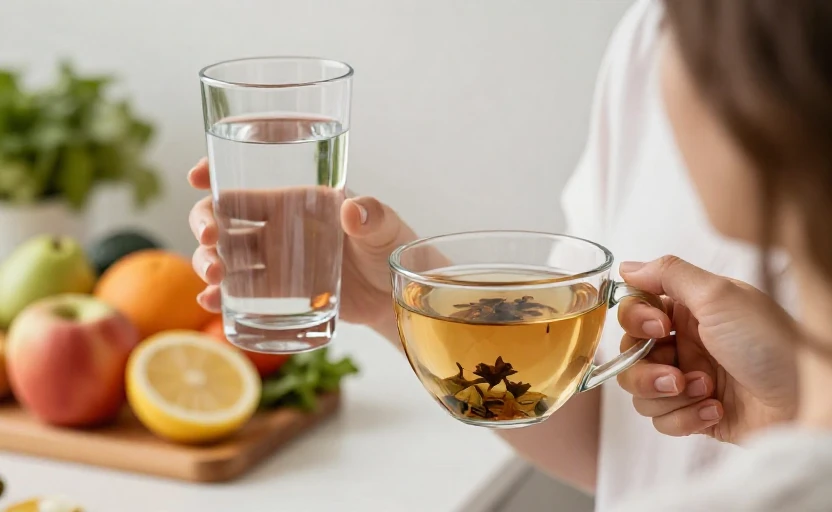
When you're thinking about trying to conceive, your focus naturally turns to your body. You might be tracking cycles, taking prenatal vitamins, and considering lifestyle changes. But one of the most fundamental, daily habits—what you drink—often gets overlooked. Hydration and beverage choices play a surprisingly direct role in creating a supportive environment for conception.
We spoke with registered dietitians who specialize in fertility and prenatal nutrition to understand which drinks can help lay the groundwork for a healthy pregnancy, and which ones are best sipped sparingly. It’s not about a rigid list of rules, but about making mindful, nourishing choices that support your overall well-being during this important preconception window.
Why what you drink matters before pregnancy
Every sip contributes to your body’s internal environment. Beverages can influence hydration status, provide (or deplete) essential nutrients, affect hormone balance, and even impact the health of eggs and sperm. The months leading up to conception are a critical time for building nutrient stores and optimizing bodily functions. Choosing drinks that support this process is a simple, yet powerful, step you can take every day.
Think of your preconception period as a time to nourish and prepare your body’s soil. What you drink helps create the optimal conditions for a seed to take root and grow.
Top drinks to prioritize
These are the beverages dietitians consistently recommend for their foundational benefits.
Water. This is the non-negotiable cornerstone. Proper hydration is essential for cervical mucus production, which helps sperm reach the egg. It also supports healthy blood volume, nutrient transport, and detoxification processes. Aim for enough water that your urine is pale yellow. Carrying a reusable water bottle can make this habit effortless.
Herbal teas. Certain caffeine-free herbal teas can be wonderfully soothing and supportive. Look for blends with ingredients like red raspberry leaf (traditionally used to tone the uterine muscles), nettle leaf (rich in minerals like iron and calcium), and peppermint (for digestion). Always check with your healthcare provider about specific herbs, especially if you have any medical conditions.
Fortified plant-based milks. For those who don’t consume dairy, milks made from almonds, oats, or soy that are fortified with calcium and vitamin D are excellent options. Vitamin D is crucial for hormone regulation and immune function, and many people are deficient. Check the label to ensure your chosen milk includes these key nutrients.
100% fruit or vegetable juice (in moderation). A small glass of orange juice provides folate and vitamin C, while beet or pomegranate juice offers antioxidants. The key is to choose juices without added sugars and to treat them as a complement to whole fruits and vegetables, not a replacement, due to their concentrated natural sugar content.
Drinks to enjoy mindfully or limit
You don’t necessarily have to eliminate these entirely, but being aware of their impact can help you make informed choices.
Caffeinated coffee and tea. Current research suggests that moderate caffeine intake (generally considered under 200-300 mg per day, or about one to two standard cups of coffee) is likely safe during preconception. However, excessive caffeine can potentially affect hormone levels and absorption of certain nutrients. Listen to your body, and consider switching to half-caff or enjoying your cup alongside a meal.
Alcohol. The official guidance is clear: there is no known safe amount of alcohol during pregnancy. Because you might not know you’re pregnant for the first few weeks, many experts and organizations recommend avoiding alcohol altogether when you are actively trying to conceive. It can disrupt menstrual cycles, affect ovulation, and impact egg and sperm health.
Sugary sodas and energy drinks. These are the biggest beverages to minimize. The high amounts of added sugar can contribute to inflammation and blood sugar spikes, which may interfere with hormonal balance. Energy drinks often contain high levels of caffeine and other stimulants that are best avoided.
Building a supportive daily routine
Instead of focusing solely on restrictions, build positive habits. Start your day with a glass of water before coffee. Keep a large bottle of filtered water at your desk. Explore the world of herbal teas in the evening as a relaxing ritual. When you do have a sugary drink, truly savor it as an occasional treat rather than a daily staple.
The goal is progress, not perfection. Small, consistent changes in what you drink can significantly contribute to your overall preconception health, working in tandem with a balanced diet, sleep, and stress management. When in doubt, water is always a perfect choice.