Coming off hormonal birth control is a significant transition for your body. While you may be focused on what to avoid, what you choose to pour into your glass can be a surprisingly powerful, gentle ally. The right beverages can help support your body's natural rhythms, provide key nutrients for hormone production, and ease common post-pill symptoms like bloating, fatigue, or mood swings. Think of it as hydration with a purpose—nourishing your system as it relearns its own cadence.
This isn't about a magic potion or a strict regimen. It's about making simple, supportive choices that add up. From calming herbal infusions to nutrient-dense smoothies, the liquids you consume can create a foundation of wellness, helping you feel grounded and nourished during this shift.
Why what you drink matters for hormone health
Hormones are chemical messengers, and their production relies on specific building blocks like cholesterol, amino acids, and minerals. Many of these come from our diet. After stopping birth control, your body must resume its own intricate dance of producing and regulating hormones like estrogen and progesterone. Certain drinks can directly provide these nutrients or support the organs—like the liver and gut—that are crucial for metabolizing and eliminating used hormones.
Your liver works hard to process hormones. Staying well-hydrated is one of the simplest ways to support its detoxification pathways.
Furthermore, synthetic hormones can sometimes deplete nutrient stores. Replenishing these through what you eat and drink is a key part of rebalancing. The goal is to move from an external source of hormonal regulation to supporting your body's innate, elegant ability to self-regulate.
Foundational sips: Water and herbal infusions
Let's start with the basics. Pure, filtered water is non-negotiable. Every cellular process, including hormone synthesis and transport, happens in a watery environment. Dehydration can stress the body, potentially exacerbating feelings of fatigue or brain fog.
Herbal teas, or tisanes, are where you can get more strategic. Unlike caffeinated teas, these are gentle, caffeine-free, and offer specific plant compounds that can be wonderfully supportive.
- Spearmint Tea: Studies suggest spearmint may have anti-androgenic properties, meaning it could help moderate testosterone levels. This can be particularly helpful if you're experiencing post-pill acne or unwanted facial hair.
- Red Raspberry Leaf Tea: Traditionally known as a "woman's herb," it's rich in minerals like magnesium and is thought to tone the uterine muscles. It's a nourishing, earthy tea to incorporate.
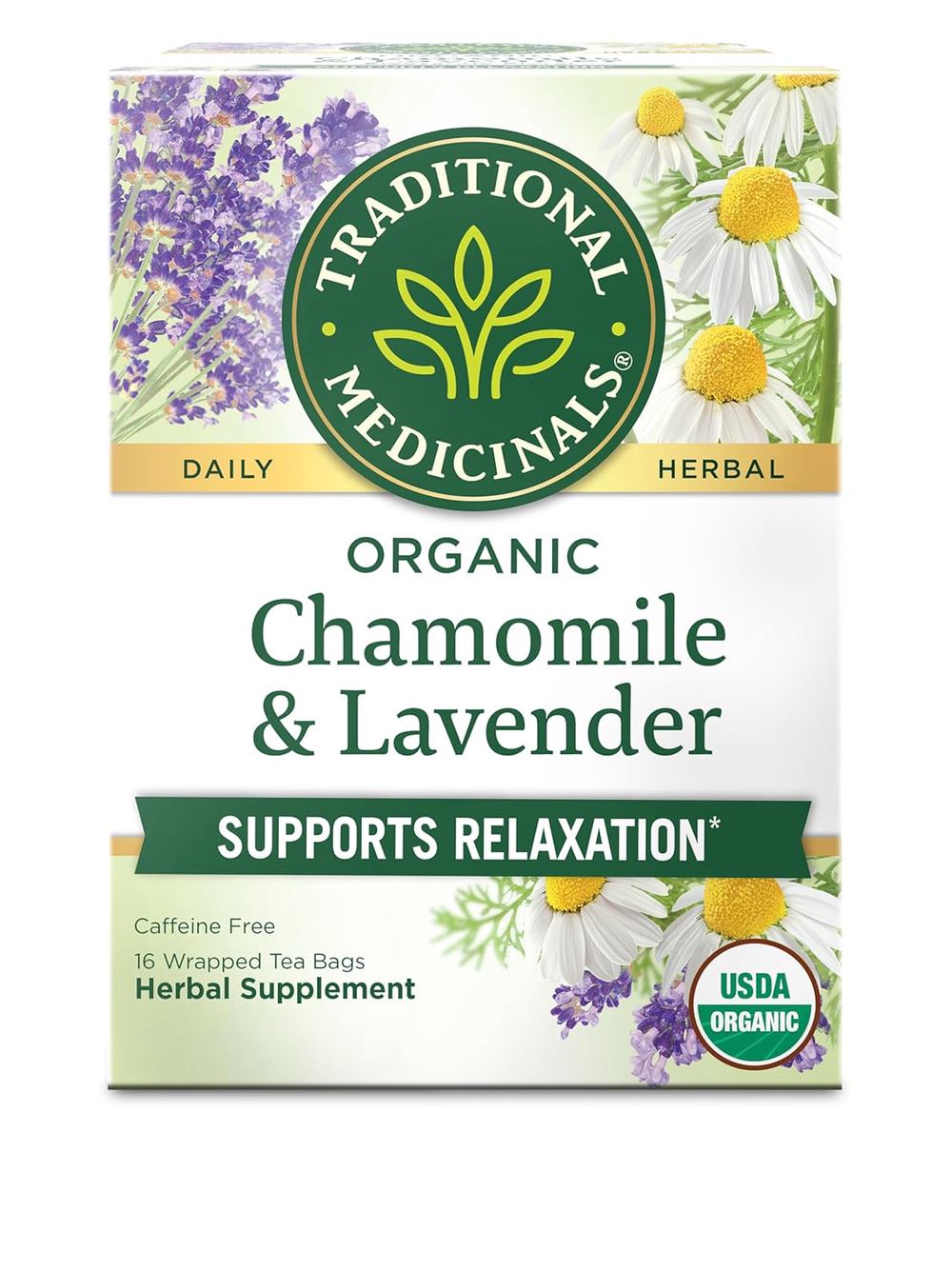
- Chamomile or Lemon Balm Tea: Stress management is paramount for hormone balance, as cortisol (the stress hormone) can disrupt sex hormone production. These calming herbs support the nervous system, promoting relaxation.
- Dandelion Root Tea: A gentle bitter that supports liver function, aiding in the clearance of excess hormones from the body.
Nutrient-boosted beverages
Beyond hydration, some drinks pack a nutritional punch that directly contributes to hormone health.
Green smoothies
A well-crafted smoothie is a vehicle for critical nutrients. Blend leafy greens like spinach or kale (for magnesium and B vitamins), a source of healthy fat like avocado or flaxseed (essential for hormone production), and a low-sugar fruit like berries. Add a scoop of collagen peptides or a plant-based protein powder for amino acids, the building blocks of hormones.
Bone broth
Simmering bones releases minerals like calcium, magnesium, and phosphorus, along with collagen and the amino acid glycine. Glycine is especially supportive for the liver's detoxification processes and can improve sleep quality—another cornerstone of hormonal harmony.
Adaptogen lattes
Adaptogens are herbs that help the body adapt to stress. While not a quick fix, incorporating them into a warm, frothy drink can be a soothing ritual. Consider adding a powder like ashwagandha (for stress and cortisol support) or maca (traditionally used for energy and libido) to a base of almond milk, a dash of cinnamon, and a tiny bit of natural sweetener.
What to limit or avoid
As you add supportive drinks, it's wise to be mindful of what might hinder your progress. The main culprits are often sugar and caffeine.
Sugary drinks—sodas, sweetened coffees, many juices—cause blood sugar spikes and crashes. This rollercoaster stresses the adrenal glands and can worsen inflammation, disrupting hormonal signals. Opt for whole fruits over juice, and if you sweeten, use just a touch of honey or maple syrup.
Caffeine, in excess, can also stimulate cortisol production and interfere with sleep. If you enjoy coffee or black tea, try to have it before noon, and always pair it with food to blunt its impact on blood sugar. Consider switching to green tea later in the day; it has less caffeine and contains beneficial antioxidants.
Alcohol is another significant burden on the liver, the very organ tasked with clearing out old hormones. Giving your liver a break by reducing or eliminating alcohol for a few months can be one of the most impactful steps you take.
Creating your daily drink routine
You don't need to drink all of these every day. Listen to your body and create a simple rhythm.
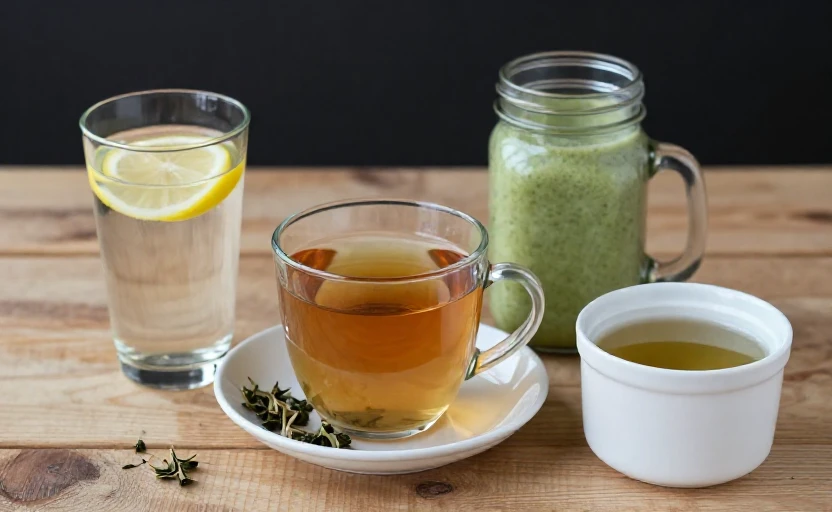
Start your morning with a large glass of warm water with a squeeze of lemon to gently wake up your digestive system. Follow with your chosen caffeine source, if any, alongside breakfast. Throughout the day, keep a water bottle handy. In the afternoon, swap a potential coffee for a cup of spearmint or raspberry leaf tea. Wind down in the evening with a mug of chamomile or a warm cup of bone broth.
The key is consistency and intention. Each supportive sip is a small act of care, signaling to your body that you're here to support it through this change.
Progress is found in the gentle accumulation of daily habits, not in perfection.
Remember, while nutrition is a powerful tool, it's one part of a holistic picture. Quality sleep, stress management through movement or meditation, and consulting with a healthcare provider for personalized advice are all equally important. Be patient with your body; it's relearning a rhythm it hasn't conducted on its own for a while. What you drink can be the steady, supportive background music for that process.