

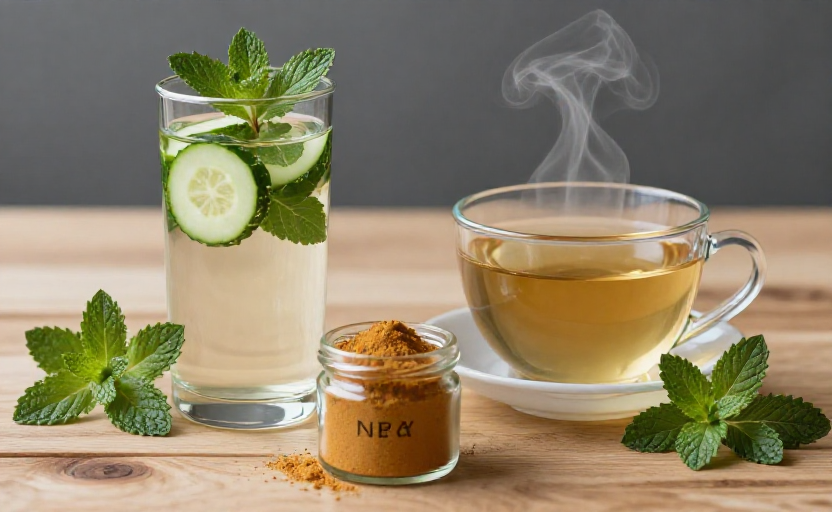
For anyone navigating the complexities of PCOS, the quest for balance often feels like a full-time job. You track cycles, manage stress, and consider every bite of food. But what you pour into your glass is just as powerful. Beverages aren't just about quenching thirst; they're a daily, accessible tool that can either soothe or stir up the hormonal fluctuations at the heart of PCOS. The right choices can support insulin sensitivity, reduce inflammation, and gently nudge your body toward a more regular rhythm.
This isn't about a magic potion or a single cure-all drink. It's about building a sustainable hydration habit that works with your body's unique needs. By understanding how different liquids interact with your system, you can make simple swaps that add up to meaningful support for your cycle and overall well-being.
Why What You Drink Matters for PCOS
PCOS is often characterized by insulin resistance, where your cells don't respond well to insulin. This can lead to higher insulin levels, which in turn signal the ovaries to produce more androgens (like testosterone), disrupting ovulation and cycle regularity. Chronic, low-grade inflammation is another common thread, further complicating hormone signaling.
What you drink directly impacts both these pathways. Sugary beverages cause rapid spikes in blood sugar and insulin, exacerbating insulin resistance. Certain drinks can either fan the flames of inflammation or help douse them. Meanwhile, proper hydration is fundamental for every cellular process, including the delicate dance of hormone production and detoxification. Choosing your liquids wisely is a form of daily, gentle care.
Foundational Fluids: Your Daily Hydration Base
Start with the basics. Pure, clean water is non-negotiable. It supports metabolic function, aids nutrient transport, and helps the liver process and excrete excess hormones. If plain water feels like a chore, infusion is your friend.
Add a few slices of cucumber, a sprig of fresh mint, or a couple of frozen berries. It’s a flavor boost without sugar or additives.
Herbal teas are another excellent cornerstone. They offer hydration plus the benefits of their botanical compounds. Spearmint tea, in particular, has garnered attention for its potential to mildly lower androgen levels, with some studies showing it can reduce free testosterone. Enjoying a cup or two daily is a simple, soothing ritual.
Drinks to Embrace for Hormone Support
Beyond water and herbal tea, several beverages can be valuable allies.
Green tea is rich in antioxidants and a compound called epigallocatechin gallate (EGCG), which may improve insulin sensitivity and help with weight management—a common concern in PCOS. Opt for unsweetened versions.
Apple cider vinegar drinks, when diluted (one tablespoon in a large glass of water), may help blunt the blood sugar spike following a meal. This can be particularly helpful for managing insulin response. Always drink it diluted to protect tooth enamel.
Golden milk or turmeric lattes, made with unsweetened plant milk, turmeric, black pepper, and ginger, deliver a powerful anti-inflammatory punch. Chronic inflammation can worsen PCOS symptoms, so incorporating anti-inflammatory foods and drinks is a smart strategy.
Unsweetened plant-based milks like almond, oat, or coconut milk can be good alternatives for those who are dairy-sensitive, as some with PCOS find dairy can be inflammatory. Choose varieties without added sugars or carrageenan.
Drinks to Limit or Avoid
Being mindful of what to reduce is just as important as knowing what to add.
- Sugary sodas, juices, and energy drinks: These are the biggest offenders, causing rapid insulin spikes that can worsen hormonal imbalance.
- Sweetened coffee drinks: A simple black coffee is fine for many, but the frappuccinos and lattes loaded with syrup are essentially dessert in a cup.
- Excessive alcohol: Alcohol can disrupt blood sugar balance, stress the liver (which is busy metabolizing hormones), and contribute to inflammation. Moderation is key.
- Artificially sweetened “diet” drinks: While they don’t raise blood sugar, emerging research suggests they may still negatively impact insulin sensitivity and gut health for some individuals. It’s often best to let your taste buds adjust to less sweetness overall.
Building Your PCOS-Supportive Drink Routine
Think of your day in phases. Start with a glass of warm water with a squeeze of lemon to gently awaken your digestion. Sip on herbal tea or infused water throughout the morning. If you enjoy coffee, have it with a balanced breakfast and consider skipping added sugar. With lunch and dinner, stick to water or perhaps your diluted apple cider vinegar drink. Wind down in the evening with a calming cup of spearmint or chamomile tea.
Listen to your body. Notice how you feel after different beverages. Does a certain drink leave you bloated or craving sugar? Does another make you feel energized and clear? Your personal experience is a vital guide.
Supporting your cycle with PCOS is a holistic journey. What you drink is one piece of that puzzle—a piece you engage with multiple times a day. By making mindful, supportive choices, you turn simple hydration into an act of consistent, compassionate care for your hormonal health.








