
That familiar 2:30 p.m. crash — heavy eyelids, wandering focus, a craving for anything sugary or caffeinated — is often treated as a minor inconvenience. But if you're already running on empty, that afternoon slump can actually deepen burnout instead of just passing through it. Reaching for another coffee or a sugary snack might feel like a lifeline, but it can set off a cycle of energy spikes and crashes that leaves you more drained by evening.
What you drink during that low-energy window matters more than you might think. The right choice can stabilize blood sugar, support adrenal function, and provide steady energy without the rebound fatigue. Here's what to reach for when you need a real reset — not just a temporary jolt.
Why the afternoon slump hits harder when you're burned out
Burnout isn't just tiredness. It's a state of physical, emotional, and mental exhaustion caused by prolonged stress. Your body's stress-response system — the HPA axis, which controls cortisol release — becomes dysregulated. Cortisol naturally dips in the afternoon, which is part of why you feel drowsy. But when you're burned out, that dip can feel more like a nosedive because your adrenal reserves are already depleted.
The instinct to grab caffeine or sugar makes sense in the moment: they provide a quick lift. But caffeine artificially raises cortisol and adrenaline, pushing an already taxed system harder. Sugar causes a rapid rise in blood glucose, followed by an insulin-driven crash that leaves you more fatigued and irritable than before. Over time, this pattern can worsen burnout symptoms and disrupt sleep — setting you up for another sluggish day.
Water with a pinch of sea salt
Dehydration is one of the most overlooked causes of afternoon fatigue. Even mild fluid loss — as little as 1–2% of body weight — can reduce concentration, energy, and mood. If you've been staring at a screen all morning, drinking coffee or tea (both mild diuretics), you're likely underhydrated by early afternoon.
Adding a tiny pinch of high-quality sea salt or a mineral-rich electrolyte powder to your water helps replenish sodium, potassium, and magnesium — electrolytes that support nerve signaling and muscle function. This isn't about chugging salty water; a small pinch in a 12-ounce glass can improve hydration efficiency and provide a gentle energy lift without stimulating your stress pathways.
If plain water feels boring, try sparkling water with a slice of lemon or cucumber. The carbonation can feel more refreshing, and the citrus acts as a mild sensory cue to wake up your brain.
Matcha for steady alertness
If you want caffeine but want to avoid the jitters and crash, matcha is a smarter choice than coffee. Matcha contains L-theanine, an amino acid that promotes a calm, focused state of alertness. L-theanine increases alpha brain waves, which are associated with relaxed concentration — the opposite of the anxious, wired feeling that coffee can trigger when you're already stressed.
Because matcha is made from whole ground tea leaves, it provides a slower, more sustained release of caffeine compared to brewed coffee. A typical 8-ounce matcha latte has roughly 70 milligrams of caffeine — about half what you'd get in a standard cup of coffee — but the energy tends to last three to four hours without a sharp drop-off.
To keep it burnout-friendly, skip the sweetened versions. Use unsweetened almond milk or oat milk, and avoid syrups. The slight bitterness of matcha is part of what signals your brain to wake up without spiking your blood sugar.
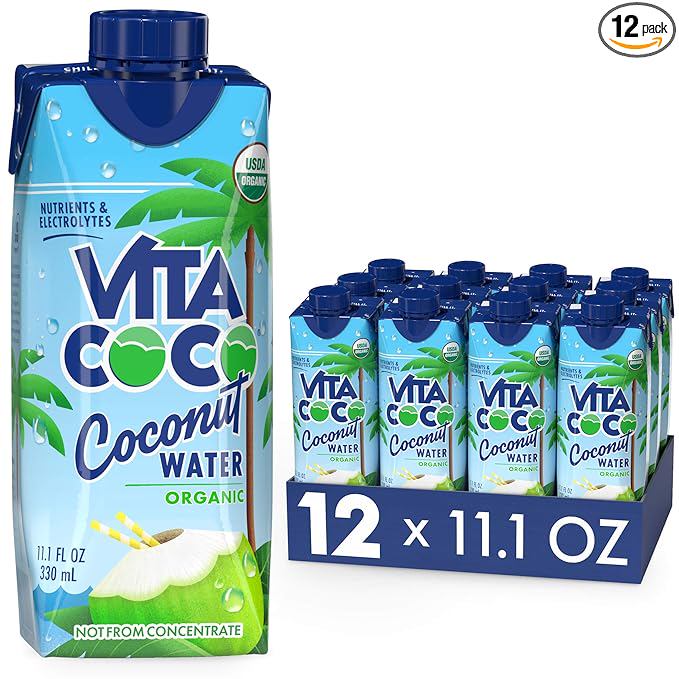
Coconut water for natural energy
Coconut water is naturally rich in potassium, magnesium, and calcium — electrolytes that are essential for energy production at the cellular level. It's lower in sugar than most fruit juices (about 9 grams of sugar per 8 ounces), and it provides a small amount of natural glucose that can lift blood sugar gently without the rebound crash.
Research suggests that coconut water can improve exercise performance and rehydrate the body comparably to sports drinks — but without artificial additives or high fructose corn syrup. For afternoon fatigue linked to mild dehydration, it's a practical alternative to a second cup of coffee.
Look for unsweetened coconut water with no added sugar or flavorings. Pair it with a small handful of almonds or a slice of cheese for a balanced mini-meal that stabilizes your blood sugar even further.
Herbal teas that soothe without sedating
Not all herbal teas are created equal when it comes to the afternoon slump. Chamomile is too sedating for most people — it's better suited for evening. Instead, consider:
- Peppermint tea — The scent and flavor of peppermint have been shown to reduce mental fatigue and improve alertness in several small studies. Peppermint contains menthol, which can increase oxygen flow to the brain and promote a sense of refreshed awareness. It's naturally caffeine-free, so it won't interfere with your sleep cycle.
- Rooibos tea — This South African red tea is rich in antioxidants and contains no caffeine, but it has a naturally sweet, robust flavor that feels satisfying. It's particularly good if you tend to crave something sweet in the afternoon, because its vanilla-like notes can trick your palate without adding sugar.
- Lemon balm tea — Lemon balm is a member of the mint family and has a mild, citrusy flavor. It's known for its calming properties but doesn't cause drowsiness. Some research suggests it can improve cognitive performance and reduce stress-induced fatigue, making it a good choice for the burned-out afternoon.
Whichever you choose, brew it hot and sip it slowly. The act of pausing to drink a warm beverage can itself be a grounding ritual that interrupts the stress loop.
What to avoid (especially when you're burned out)
Some popular afternoon pick-me-ups can make burnout worse over time:
- Energy drinks are loaded with sugar and high levels of caffeine, often combined with stimulants like taurine and guarana. They can spike your heart rate and cortisol, followed by a crash that leaves you more exhausted.
- Soda provides a rapid sugar hit (about 39 grams per 12-ounce can) that triggers a steep insulin response. The subsequent blood sugar drop often leads to fatigue, headache, and irritability.
- Sweetened coffee drinks — lattes, frappuccinos, and flavored mochas — combine caffeine with large amounts of sugar and milk, creating a triple-threat of cortisol stimulation, blood sugar swings, and potential digestive discomfort.
- Fruit juices lack the fiber of whole fruit and can cause a rapid rise and fall in blood glucose. Even 100% orange juice has about 21 grams of sugar per 8 ounces — enough to spike your energy and then let it drop.
A note on timing and habits
The best drink for the afternoon slump won't fix burnout by itself. Consider pairing your beverage choice with a short break that includes movement — even two minutes of stretching or a brisk walk around the block can improve circulation and reduce fatigue. If you typically work through lunch or eat a carbohydrate-heavy midday meal, shifting toward a lunch that includes protein, healthy fats, and fiber can also prevent the blood sugar dip that makes the 2 p.m. slump worse.
And if you find yourself craving caffeine or sugar every afternoon at the same time, it may be worth evaluating your morning routine: Did you sleep well? Are you eating breakfast? Burnout often builds slowly, and afternoon energy crashes can be a clue that your baseline habits need attention.
Small shifts — like choosing a hydrating, low-stimulant drink over a sugar-laden coffee — can add up over time. They won't cure burnout overnight, but they will stop feeding the cycle that keeps it going.