

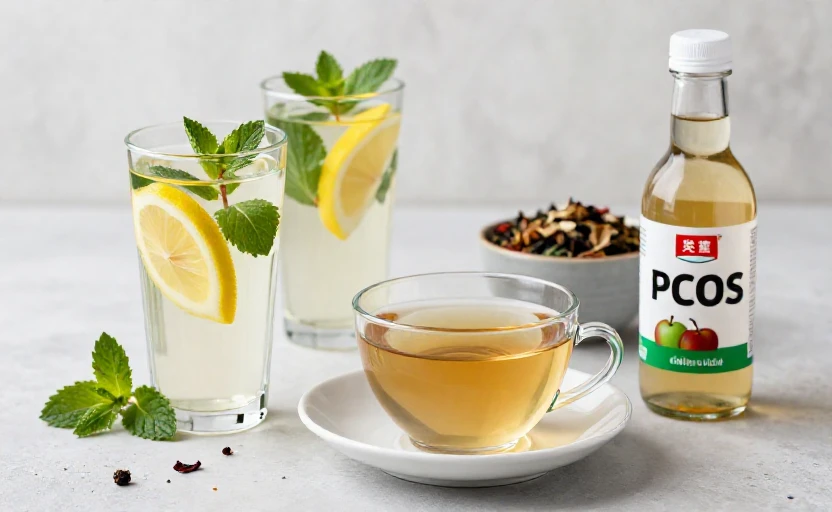
When you're navigating the complexities of PCOS, what you pour into your glass can feel like a small but significant act of care. It's not about a single miracle beverage, but about building a pattern of choices that gently support your body's insulin response. The right drinks can help you feel more balanced, reduce cravings, and complement your overall management plan without adding stress or complexity.
Think of hydration as a foundational layer. Dehydration can subtly mimic hunger and stress your system, so starting with enough fluid is key. From there, we can explore specific drinks that offer benefits for insulin sensitivity—those that provide nutrients, antioxidants, or simply a satisfying alternative to sugar-sweetened options.
Why what you drink matters for PCOS
Polycystic ovary syndrome is deeply intertwined with how your body manages insulin. Many people with PCOS experience insulin resistance, where cells don't respond well to insulin's signal to take in glucose from the bloodstream. The pancreas then pumps out more insulin to compensate. This elevated insulin can drive androgen production and disrupt ovulation, fueling the core symptoms of PCOS.
Beverages are a stealth source of sugar and empty calories. A single daily soda or sweetened coffee drink can deliver a substantial insulin spike, keeping that cycle going. Conversely, choosing drinks that have a minimal impact on blood sugar—or that even contain compounds shown to improve insulin sensitivity—is a practical, daily way to support your metabolic health.
Foundational fluid: Water and infused variations
Plain water is the undisputed champion. It hydrates without any metabolic cost. If you find it boring, infusion is your friend. Adding slices of cucumber, citrus, berries, or fresh mint leaves creates flavor without sugar. The goal is to make hydration appealing and effortless.
Carry a reusable water bottle as a visual reminder. Sipping consistently throughout the day is often more effective than trying to down large glasses at once.
Herbal and true teas: Beyond caffeine
Teas offer a world of options rich in polyphenols, antioxidants that may improve how cells respond to insulin.
Green tea is the most studied. Its key antioxidant, EGCG, has been shown in some research to help reduce insulin resistance. Enjoy it hot or iced. For a gentler caffeine option, try white tea.
Herbal teas provide benefits without caffeine. Cinnamon tea is a popular choice, as cinnamon has been associated with improved insulin sensitivity in some studies. Spearmint tea has been explored for its potential to mildly lower androgen levels, which may be helpful for PCOS-related hirsutism. Ginger tea may support metabolic rate and reduce inflammation.
The coffee question
For many, coffee is a non-negotiable ritual. The good news is that black coffee is linked to a reduced risk of type 2 diabetes, and its antioxidants may be beneficial. The caution lies in what you add to it. Loading coffee with sugar, flavored syrups, or even large amounts of full-fat dairy can turn it into an insulin-triggering drink.
If you enjoy coffee, try drinking it black or with a splash of milk or a non-caloric sweetener like monk fruit or stevia. Be mindful of your personal tolerance, as caffeine can affect cortisol levels and stress responses in some individuals with PCOS.
Vinegar drinks: A tart approach
Apple cider vinegar has garnered attention for its potential to blunt the blood sugar spike from a carbohydrate-rich meal. The acetic acid is thought to delay stomach emptying and improve insulin sensitivity. While not a cure-all, it can be a useful tool.
Try diluting one tablespoon of apple cider vinegar in a large glass of water and drinking it before a meal. Never drink it straight, as it can damage tooth enamel and esophageal tissue. Consider using a straw to further protect your teeth.
Smoothies and milk alternatives
Smoothies can be nutrient powerhouses or sugar bombs. The key is balance. Build yours with a low-sugar base like unsweetened almond milk or coconut water, add a generous portion of leafy greens, include a source of healthy fat (like avocado or chia seeds) and protein (like plain Greek yogurt or protein powder), and limit high-sugar fruits to a small handful of berries.
For dairy milk alternatives, choose unsweetened versions. Almond, oat, soy, and coconut milks can all work, but always check the label. “Original” versions often contain added sugar.
What to limit or avoid
Being selective is just as important as knowing what to include.
- Sugar-sweetened beverages: Soda, sweet tea, lemonade, energy drinks, and fancy coffee shop creations are the most obvious sources of liquid sugar, causing rapid insulin spikes.
- Fruit juice: Even 100% juice concentrates the sugar of many fruits without the fiber to slow absorption. It’s better to eat the whole fruit.
- Excessive alcohol: Alcohol can affect blood sugar control and liver function, which is central to metabolism. If you drink, do so moderately and avoid sugary mixers.
- “Diet” drinks with artificial sweeteners: This is a personal and debated area. While they don’t raise blood sugar, some research suggests they may still trigger insulin response or disrupt gut bacteria for some people. Listen to your body’s reaction.
Building your daily drink routine
Start your day with a glass of water. Choose herbal tea or infused water as your go-between beverage. Enjoy your coffee or green tea mindfully. Have a vinegar drink before your largest meal if it suits you. End your day with a calming cup of spearmint or chamomile tea. This pattern keeps you hydrated with choices that actively support your insulin sensitivity throughout the day.
Remember, no drink replaces a balanced diet, regular movement, stress management, or any prescribed treatment. But curating what you drink is a tangible, daily step you can take toward feeling more in tune with your body and its needs.








