
After a heated argument with a toxic partner, your nervous system can feel like it's vibrating at a dangerous frequency. Your heart pounds, your thoughts race, and that familiar pit in your stomach settles in. While professional support and boundary-setting are the real long-term solutions, the right drink can help you physically shift out of fight-or-flight mode and back into your body.
The goal isn't to numb or escape the feelings — it's to gently signal to your brain and body that the threat has passed. What you choose to sip on in those raw minutes matters. Here are evidence-informed options that support grounding, hydration, and nervous system regulation after a toxic argument.
Why your beverage choice matters when you're dysregulated
When you're in the aftermath of a toxic exchange, your cortisol and adrenaline levels are elevated. Your digestion slows, your blood vessels constrict, and your body is primed for action — not rest. The wrong drink (more caffeine, alcohol, or sugary energy drinks) can keep you stuck in that hyper-aroused state. The right drink can help your parasympathetic nervous system — your "rest and digest" branch — begin to take over.
Think of grounding as a physical anchor. A warm or cool beverage can provide sensory input (temperature, texture, taste) that draws your attention away from the replay loop in your mind and back to the present moment.
Warm chamomile tea: the classic nervous-system soother
Chamomile is one of the most studied herbs for mild anxiety and sleep support. It contains apigenin, an antioxidant that binds to benzodiazepine receptors in the brain, producing a gentle calming effect without sedation.
For grounding after a toxic argument, the ritual matters as much as the chemistry. Waiting for the water to boil, watching the steam rise, holding the warm mug — these steps force you to pause. The warmth against your palms sends a safety signal through your vagus nerve, which connects your brain to your gut and heart.
Sip slowly. Let the warm liquid sit in your mouth for a moment before swallowing. This activates the oral sensory system and helps interrupt the mental chatter.
Cool water with a pinch of salt: rehydration and cellular grounding
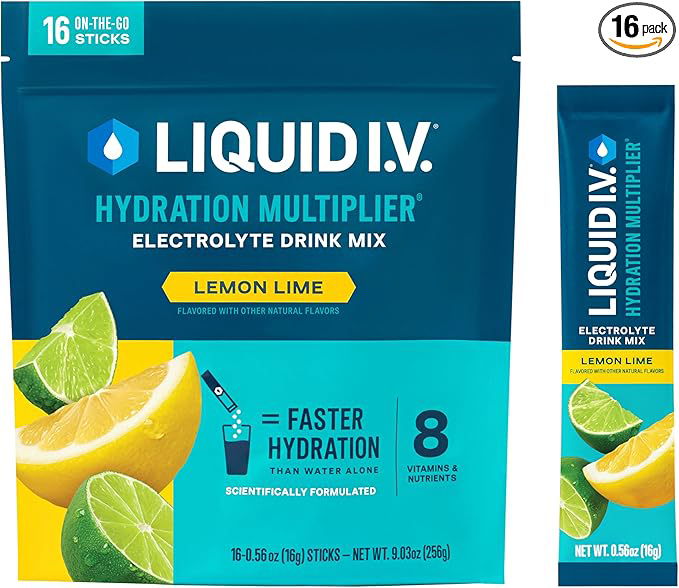
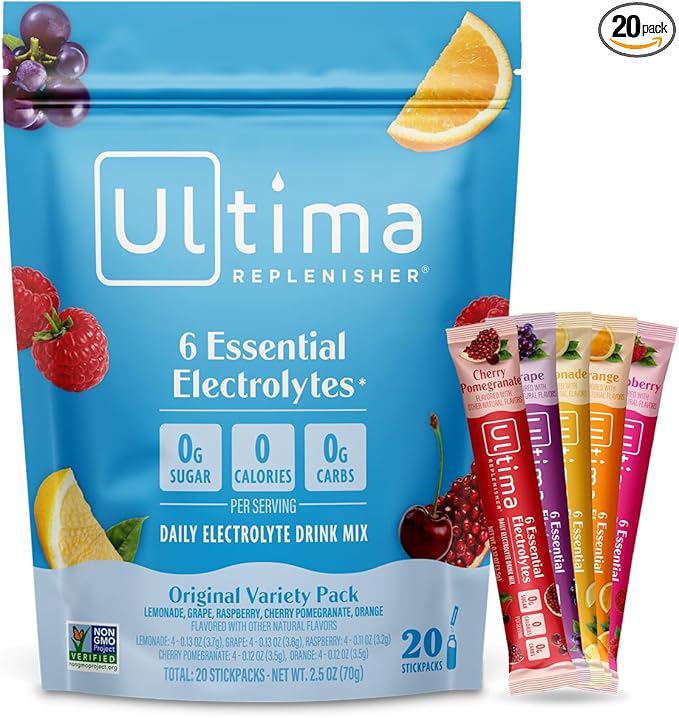
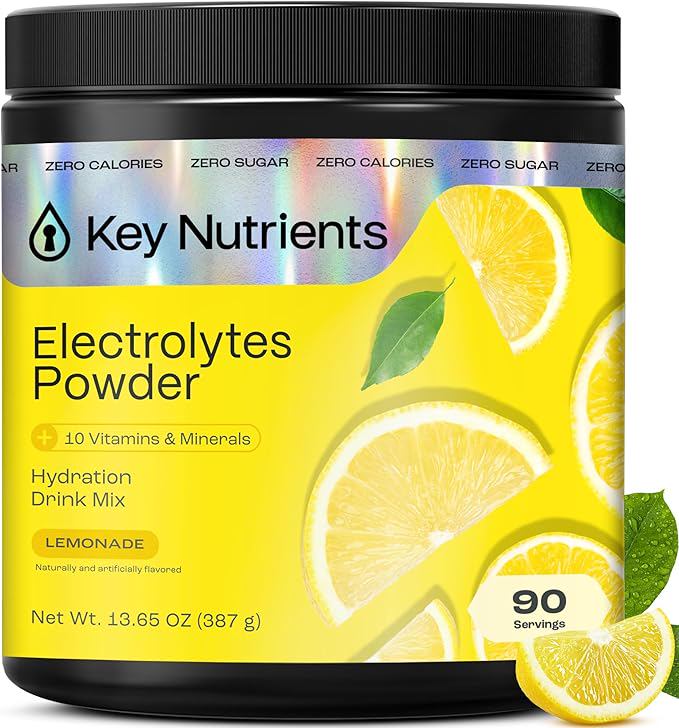
Toxic arguments are physically draining. You may have been crying, sweating, or breathing shallowly — all of which deplete fluids and electrolytes. Plain water is good, but a small amount of salt (think a pinch of high-quality sea salt or a mineral-rich electrolyte powder) helps your cells actually absorb and use that water.
Why this matters for grounding: Dehydration amplifies anxiety symptoms. When your cells are electrically balanced, your nervous system can regulate more effectively. The act of measuring and stirring the salt into the water also gives you a simple, repetitive motor task — a mini grounding exercise in itself.
Hibiscus iced tea: a tart, sensory reset
Hibiscus tea is naturally caffeine-free and rich in anthocyanins, which have antioxidant and anti-inflammatory properties. Its bright ruby color and tart flavor provide strong sensory input that can pull you out of a mental spiral. Cold temperature, in particular, activates the trigeminal nerve in your face and mouth, which can help you feel more present in your body.
If you have brewed hibiscus tea on hand (or can quickly steep a bag in hot water and pour it over ice), the sharp, cranberry-like taste demands your attention. This is the opposite of a dissociative drink — it wakes up your palate and your awareness.
Warm ginger or turmeric tea: calming inflammation and the gut
Stress from conflict doesn't just live in your head — it settles in your gut. Ginger and turmeric are both anti-inflammatory and have a long history of use for digestive comfort. Ginger can help settle the nausea or "knot" that often follows a painful argument. Turmeric (especially when paired with a pinch of black pepper for absorption) supports the body's inflammatory response system.
Preparing fresh ginger tea — slicing a few thin coins, simmering them for 10 minutes — can be a meditative act. The spicy aroma and slight heat on your tongue bring you into your senses. This is grounding through the simple act of tending to yourself.
What to avoid when you're trying to ground
It's worth noting what not to reach for. Coffee or strong black tea can amplify jitters and keep your nervous system stuck on high alert. Alcohol might seem like a quick way to numb the edge, but it disrupts sleep architecture and can lower your threshold for anxiety the next day — leaving you more vulnerable in the aftermath. Sugary sodas or energy drinks create a blood sugar spike and crash that can mimic or worsen anxiety symptoms.
Instead, choose drinks that are warm or cool (not extreme), minimally sweetened, and free of stimulants or depressants. The best drink is one you can prepare with intention and sip with full attention.
Simple grounding drink ritual to try after an argument
Here's a short, repeatable practice:
- Step away physically. Go to the kitchen or a different room. You do not have to resolve anything right now.
- Choose one of the drinks above. Prepare it as simply or as ritualistically as you need.
- Sit down somewhere stable. A chair with your feet flat on the floor. Hold the cup.
- Take three slow breaths before you take the first sip. Notice the weight of the cup, the temperature, the scent.
- Sip slowly, paying attention to the liquid moving down your throat. If your mind drifts back to the argument, just bring your attention back to the drink.
This isn't about fixing the relationship or even processing the conflict right away. It's about resetting your physiology so you can think clearly later. One cup at a time.
If you are in immediate danger or experiencing ongoing emotional abuse, please contact a domestic violence hotline or a mental health professional. No drink replaces safety and support.