Menopause brings a cascade of changes, and what you put in your body each day can either soothe or stir the storm. While no single beverage is a magic bullet, the right drinks can help manage hot flashes, support mood, and ease night sweats. Here is a practical look at what to sip—and what to skip—when you are navigating this transition.
Why hydration matters more than ever
During menopause, declining estrogen levels affect your body's ability to regulate temperature. Dehydration can worsen hot flashes and leave you feeling foggy. Drinking enough water throughout the day helps your system maintain a stable internal temperature and supports digestion, which can slow down during this time. Aim to sip water consistently rather than gulping large amounts at once. If plain water feels boring, add a slice of cucumber, lemon, or a few fresh mint leaves.
Cooling drinks for hot flashes
Some beverages have a naturally cooling effect on the body. Peppermint tea, for instance, is widely used for its calming properties and may help dial down the intensity of a hot flash. A small 2021 study in Menopause found that women who drank a mixture of herbal teas—including chamomile, fennel, and peppermint—reported fewer hot flashes over eight weeks. While the blend matters, peppermint alone is a safe, pleasant option to try.
Green tea is another contender. It contains catechins, antioxidants that may help regulate body temperature. One study from 2020 suggested that postmenopausal women who drank green tea daily had a lower frequency of hot flashes compared to non-drinkers. Just keep it moderate—excess caffeine can trigger symptoms in some women.
Plant-based milks and phytoestrogens
Soy milk stands out because it is rich in isoflavones, plant compounds that mimic estrogen in a gentle way. A 2022 review in Nutrients noted that soy isoflavones can reduce hot flash frequency by about 20 to 30 percent in many women. Unsweetened soy milk is a smart swap for dairy if you are sensitive to lactose or simply want a phytoestrogen boost. Almond milk and oat milk are fine for hydration but lack these specific benefits.
Flax milk is a lesser-known option worth mentioning. Flaxseeds are high in lignans, another type of phytoestrogen. While research on flax milk specifically is limited, incorporating ground flaxseed into smoothies or warm cereals is a practical way to get similar benefits.
Calming bedtime beverages
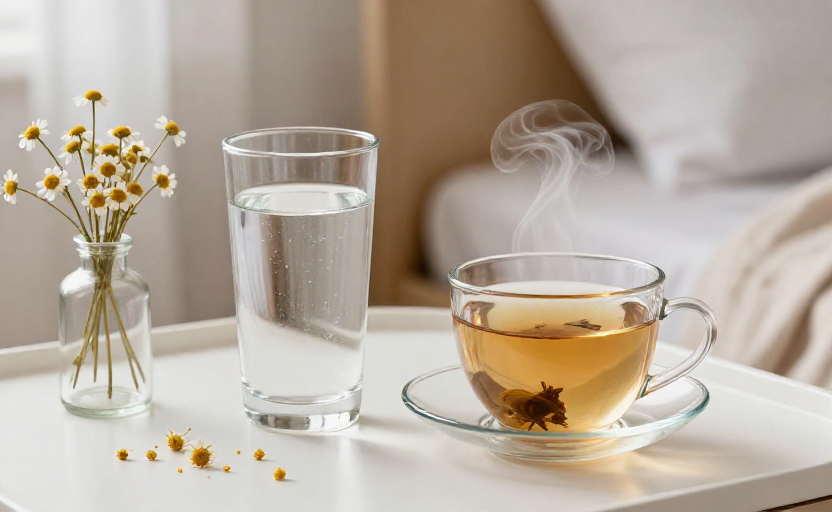
Night sweats and insomnia often go hand in hand during menopause. A warm drink before bed can signal your nervous system to relax. Chamomile tea is the classic choice—it contains apigenin, an antioxidant that binds to certain receptors in the brain and promotes drowsiness. Tart cherry juice is another surprising ally. It is a natural source of melatonin, and a 2019 study found that drinking tart cherry juice twice a day improved sleep duration and quality in older adults. For menopause-related sleep disruption, a small glass before bed may help you drift off more easily.
Drinks to limit or avoid
Caffeine is a double-edged sword. A morning coffee may feel essential, but for many women, it triggers hot flashes or makes them more intense. If you notice a pattern, try switching to half-caff or herbal tea after your first cup. Alcohol is another common trigger. Red wine, in particular, is often cited by women as a hot flash instigator. Alcohol can also disrupt sleep architecture, worsening night sweats. If you choose to drink, keep it to one serving and stop several hours before bed.
Sugary sodas and energy drinks are best avoided. They cause blood sugar spikes and crashes, which can amplify mood swings and fatigue. They also contribute to dehydration, making temperature regulation harder.
Practical tips for building a menopause-friendly drink routine
Start your day with a glass of water before coffee. Keep a large water bottle at your desk and refill it by early afternoon. Swap one daily soda or latte for an herbal tea like rooibos or ginger. Try a week of cutting back on caffeine and alcohol to see if your symptoms improve. Small shifts, not drastic overhauls, make the difference sustainable.
A simple rule: if a drink makes you feel warm, jittery, or bloated, it is probably working against you. If it leaves you calm and hydrated, it is likely a good choice.
When to talk to your healthcare provider
Beverages can support symptom management, but they are not a substitute for medical care. If hot flashes or night sweats are severe enough to interfere with daily life, or if sleep disruption is persistent, discuss your options with a clinician. Some women benefit from hormone therapy, low-dose antidepressants, or other prescription options. A food and symptom diary can be a useful tool to share with your provider.
Ultimately, the best drink for menopause is one that keeps you hydrated without triggering symptoms. Water, herbal teas, unsweetened soy milk, and tart cherry juice are all practical choices. By paying attention to how your body responds, you can build a routine that helps you feel more comfortable through this transition.