
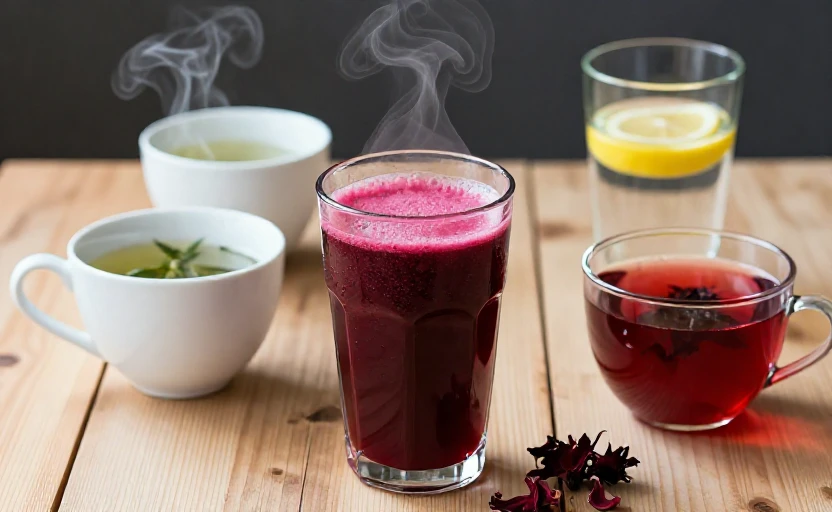
Starting your day with the right beverage can be a simple, powerful act of care for your circulatory system. While no single drink is a magic cure, certain choices can support the health of your blood vessels and the flow of blood throughout your body. Nutritionists often point to a few key options that provide hydration and specific nutrients known to benefit vascular function.
Think of it as priming the pump. After a night of rest, your body is naturally a bit dehydrated. Replenishing fluids first thing helps thin the blood slightly, making it easier for your heart to pump. The right morning drink goes beyond basic hydration, introducing compounds that can help keep blood vessels flexible and responsive.
Why Your Morning Drink Matters for Circulation
Circulation isn't just about your heart. It's about the vast network of arteries, veins, and capillaries that deliver oxygen and nutrients to every cell. Morning habits set a tone for the day, and what you drink can influence factors like blood viscosity, blood pressure, and endothelial function—the health of the thin lining inside all your blood vessels.
Nutritionists emphasize beverages that are anti-inflammatory and rich in antioxidants. Chronic, low-grade inflammation can damage blood vessels over time, while antioxidants help combat oxidative stress, another contributor to stiffening arteries. The goal is to choose drinks that support these systems without adding excessive sugar or stimulants that might cause a sharp, unhelpful spike.
Top Nutritionist-Recommended Morning Drinks
These are the beverages that consistently come up in conversations with dietitians and nutrition experts for supporting circulatory health. They work best as part of a balanced diet.
Warm Lemon Water
This classic recommendation is more than an old wives' tale. Starting with a glass of warm water with a squeeze of fresh lemon juice provides gentle hydration. Lemon is a source of vitamin C, a crucial antioxidant involved in collagen production, which helps maintain the structure of your blood vessels. The warm water can also have a mild, soothing effect that may help ease tension, indirectly supporting healthy blood pressure.
Tip: Use the juice of half a lemon in a large mug of warm (not scalding) water. Drink it plain to avoid added sugars.
Beetroot Juice
This vibrant red juice has significant research behind it for circulatory support. Beets are naturally high in dietary nitrates, which your body converts into nitric oxide. Nitric oxide is a molecule that signals your blood vessels to relax and widen (vasodilation), improving blood flow and potentially helping to manage healthy blood pressure levels. The effect is often noted within a few hours of consumption.
Because beet juice is concentrated and can be strong, nutritionists suggest starting with a small amount, like 4 to 8 ounces, and seeing how you feel. It has a distinct, earthy taste that some people prefer to blend with a small apple or carrot for sweetness.
Green Tea
For a morning option with a gentle caffeine lift, green tea is a standout. It's rich in catechins, a type of antioxidant. The most studied catechin, epigallocatechin gallate (EGCG), is associated with improved endothelial function. Some research suggests regular green tea consumption is linked to a lower risk of cardiovascular issues. The modest amount of caffeine—far less than coffee—provides alertness without the jitters that can sometimes accompany circulatory strain.
Let your green tea steep for 3-5 minutes in water that's just below boiling to maximize antioxidant extraction without making it bitter.
Hibiscus Tea
This tart, crimson herbal tea is caffeine-free and packed with anthocyanins and other antioxidants. Multiple studies have observed that regularly drinking hibiscus tea may help lower systolic and diastolic blood pressure. It's thought to work as a mild ACE inhibitor, similar to some blood pressure medications, and through its potent antioxidant and anti-inflammatory effects. It makes a refreshing, cold-brewed iced tea as well.
Plain Water (The Essential Foundation)
Never underestimate the power of a tall glass of cool or room-temperature water. Dehydration causes your blood to become thicker and more viscous, forcing your heart to work harder. Restoring fluid balance first thing is the most fundamental step you can take for efficient circulation. If plain water feels boring, try adding a few slices of cucumber, a sprig of mint, or a couple of frozen berries for flavor without significant sugar.
What to Approach with Caution in the Morning
While moderation is key for most things, some common morning drinks might work against your circulatory goals if consumed habitually in large amounts.
- Sugary Juices and Frappuccinos: Drinks high in added sugars can contribute to inflammation, insulin resistance, and weight gain—all factors that negatively impact vascular health over time.
- Excessive Caffeine: While a cup or two of coffee or tea can be fine, very high doses of caffeine can cause a temporary spike in blood pressure and may lead to feelings of anxiety, which strains the circulatory system.
- Energy Drinks: These often combine high doses of caffeine with large amounts of sugar and other stimulants, creating a perfect storm for blood pressure spikes and heart palpitations in some individuals.
Building a Circulation-Supporting Routine
Your morning drink is one piece of the puzzle. For the best results, pair it with other heart-healthy habits. A short walk after your beverage can boost circulation immediately. Including foods rich in omega-3s (like chia seeds or walnuts), fiber, and potassium in your breakfast further supports vascular health. Managing stress through deep breathing or meditation can also help keep blood pressure in check.
Listen to your body. If you have a specific health condition, particularly related to blood pressure or kidney function, it's wise to discuss significant dietary changes, like adding beetroot juice, with your doctor or a registered dietitian. They can help you integrate these choices safely into your personal health picture.
Ultimately, choosing a morning drink for better circulation is about consistent, mindful choices. It’s a daily ritual that hydrates, provides protective nutrients, and sets a positive, health-conscious tone for the hours ahead.