
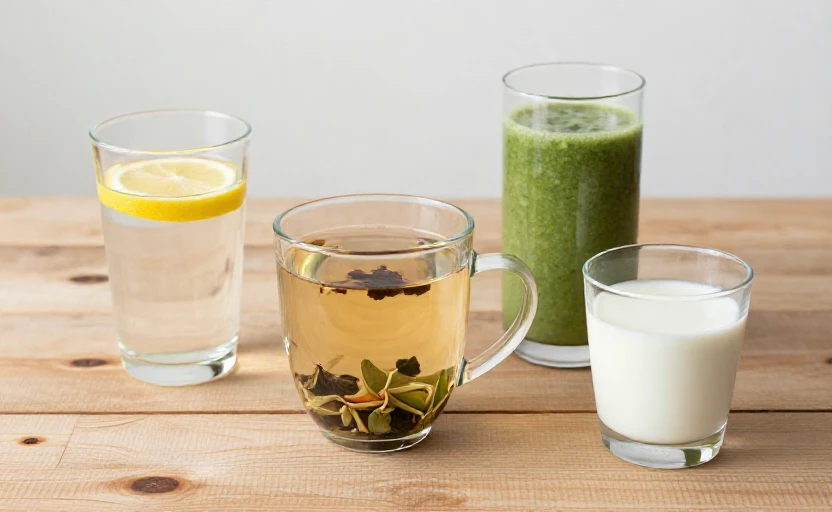
When you're trying to conceive, every choice feels significant, especially what you put into your body. While much of the focus is on food, what you drink plays an equally vital role in creating a supportive internal environment. Beverages can directly influence hydration, nutrient absorption, and the delicate hormonal symphony required for ovulation and implantation. The right drinks can be powerful allies, providing foundational nutrients and helping to ease the stress that often accompanies this journey.
Think of your hydration habits as part of your preconception toolkit. Beyond just quenching thirst, certain drinks offer compounds that support reproductive health, while others are best sipped sparingly. The goal isn't a restrictive regime, but a mindful approach that nourishes your body and creates a calm, balanced foundation for conception.
Foundational Fluids: Water and Herbal Infusions
Pure, simple water is the non-negotiable cornerstone of any fertility-supportive regimen. Every cellular process in your body, including hormone production and transport, depends on adequate hydration. Dehydration can lead to thicker cervical mucus, which can hinder sperm travel. Aim to drink enough so that your urine is pale yellow. Carrying a reusable bottle throughout the day makes this habit effortless.
For warmth and variety, herbal teas are excellent allies. Look for caffeine-free blends with herbs traditionally used for their calming and supportive properties.
Spearmint tea, in particular, has been studied for its potential to help balance androgen levels, which can be beneficial for conditions like PCOS.
Red raspberry leaf tea is rich in minerals and often recommended to tone the uterine lining. A cup of chamomile or lavender tea in the evening can be a gentle ritual to lower cortisol, your body's primary stress hormone. Always choose high-quality, organic teas to avoid unwanted pesticides.
Nutrient-Rich Choices: Building Blocks for Hormones
Some drinks go beyond hydration to deliver key nutrients directly involved in hormone synthesis and reproductive function.
Whole Milk or Full-Fat Dairy: While low-fat diets are often promoted, full-fat dairy may be more supportive for ovulation. The fats are necessary for producing steroid hormones like estrogen and progesterone. A glass of whole milk or a smoothie made with full-fat yogurt provides calcium, vitamin D, and these beneficial fats.
Green Juices and Smoothies: A carefully crafted green drink can be a nutrient powerhouse. Blend leafy greens like spinach or kale with a small amount of low-glycemic fruit (like berries) and a source of healthy fat (avocado, chia seeds). This delivers magnesium—a crucial mineral for hormonal balance and stress reduction—along with folate, antioxidants, and fiber to support detoxification and stable blood sugar.
Bone Broth: Simmering bones releases collagen, glycine, and minerals like calcium and magnesium. Glycine is particularly supportive for the liver, your body's main detoxification organ, which works hard to process and clear used hormones. A warm cup of bone broth is deeply nourishing and easy on the digestive system.
What to Limit or Avoid
Mindfulness about what to reduce is just as important as knowing what to include.
- Alcohol: It's wise to significantly reduce or eliminate alcohol while trying to conceive. Alcohol can disrupt hormone levels, impair ovulation, and may affect egg quality. It also places an additional burden on the liver.
- Caffeine: High caffeine intake (over 200-300 mg per day, about two cups of coffee) has been linked to fertility challenges. It can affect hormone levels and potentially alter fallopian tube function. If you enjoy coffee, consider switching to a single half-caff serving or opting for green tea, which provides less caffeine along with antioxidants.
- Sugary Drinks: Sodas, sweetened coffees, and commercial fruit juices cause rapid spikes in blood sugar and insulin. Chronically high insulin can disrupt ovarian function and ovulation. Opt for whole fruit instead of juice, and flavor water with natural ingredients like cucumber or mint.
Creating Your Daily Rhythm
You don't need a complicated schedule. Start your day with a large glass of water to rehydrate. Enjoy your chosen source of caffeine (if any) with a balanced breakfast to blunt its impact on blood sugar. Sip water or herbal tea throughout the morning. With lunch, consider a glass of whole milk or a small green smoothie. Make water your afternoon go-to, and wind down with a calming herbal infusion in the evening.
The most impactful step is consistency. Building these hydration habits supports your body's innate wisdom every single day, taking one piece of the puzzle off your mind. Listen to your body's cues, and let your drinks be a source of nourishment and comfort on your path to conception.