
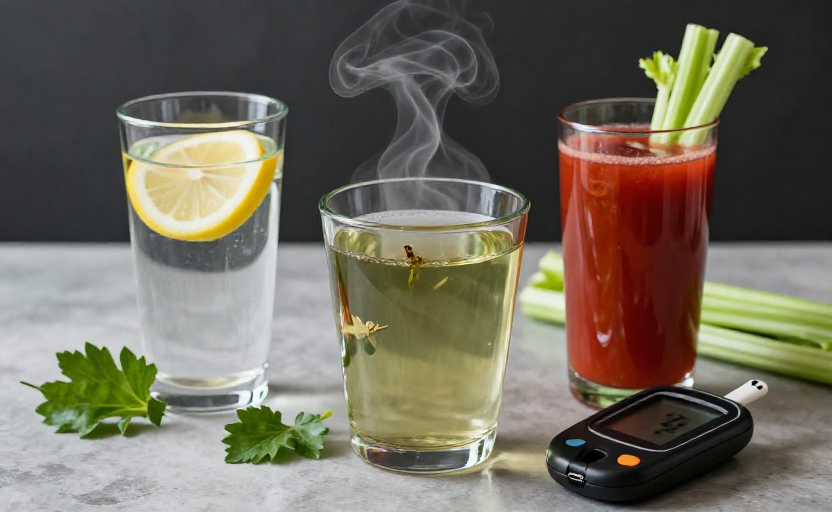
Managing diabetic retinopathy involves more than just eye exams and medication. What you drink each day can either support or undermine the delicate blood vessels in your retina. Here are three hydrating options a dietitian might suggest to help protect your vision while keeping your blood sugar stable.
Water—the foundation of eye health
Plain water is the single best drink for anyone with diabetic retinopathy. Dehydration thickens your blood, which can increase pressure on fragile retinal capillaries. Staying adequately hydrated helps maintain healthy blood flow and reduces the risk of further vessel damage.
Aim to sip water consistently throughout the day rather than chugging large amounts at once. If you find plain water boring, try infusing it with a slice of lemon, cucumber, or a few mint leaves—just avoid sugary syrups or flavored powders.
Tip: Keep a reusable water bottle on your desk or in your bag as a visual reminder to drink regularly.
Unsweetened green tea—antioxidants in a cup
Green tea is rich in catechins, a class of antioxidants that may help reduce oxidative stress in retinal tissues. Some research suggests that regular consumption of green tea could slow the progression of diabetic retinopathy by protecting the lining of blood vessels.
Choose unsweetened green tea—hot or iced—and skip added sugars or honey. If you are sensitive to caffeine, look for decaffeinated green tea, which retains most of the beneficial polyphenols.
Vegetable juice (low-sodium, no sugar added)
Fresh or low-sodium bottled vegetable juice can be a smart alternative to fruit juice, which is often high in natural sugars that spike blood glucose. Tomato juice, carrot juice (in moderation), or a blend of leafy greens and celery provides vitamins A, C, and K along with beneficial plant compounds.
Check the label for added sugar and sodium. A 4–6 ounce serving is a good portion size—enough to deliver nutrients without overwhelming your carbohydrate budget. Homemade juices from non-starchy vegetables are the safest bet.
What to avoid
Sugary sodas and sweetened beverages
Regular sodas, sweet teas, fruit punches, and energy drinks deliver a rapid glucose load that can worsen diabetic retinopathy. High blood sugar damages the retina over time, and sugary drinks are one of the quickest ways to raise your glucose levels.
Alcohol in excess
Heavy alcohol intake can raise blood pressure and contribute to dehydration, both of which are harmful to retinal health. If you drink, limit yourself to one drink per day for women and two for men, and always drink water alongside.
Making thoughtful choices about what you drink is a simple but powerful way to support your eyes and your overall health when you have diabetic retinopathy.