
For many people living with diabetes, the morning is a routine anchored by two non-negotiables: the first blood sugar reading and a strong cup of coffee. These habits offer comfort and control, but here is the less comfortable truth: they can also obscure the very early whispers of kidney stress. When the kidneys begin to struggle, they send signals through fluid balance, blood pressure, and lab markers. Your morning ritual, as sensible as it seems, might be muffling those signals.
The stealthy nature of diabetic kidney disease
Diabetic kidney disease (DKD) develops slowly, often without obvious symptoms in its earliest stages. The kidneys filter waste and excess fluid, but when high blood sugar damages those tiny filters (glomeruli), the body begins to hold onto fluid and waste differently. Early signs can be subtle: a slight increase in blood pressure, trace amounts of protein in the urine (albuminuria), or a gradual decline in estimated glomerular filtration rate (eGFR). Many people dismiss these changes as random or unrelated. That is exactly why certain morning practices can be problematic—they mask the data that would otherwise raise a red flag.
Morning habit #1: Relying on the fasting glucose number as a sole health gauge
Your morning blood sugar reading is a powerful tool, but it is not a complete kidney health snapshot. When you check fasting glucose and see a number in your target range, it is easy to feel reassured for the day. Meanwhile, your kidneys could be silently handling higher glucose loads that appear later after meals. Post-meal (postprandial) hyperglycemia is a known contributor to kidney damage, yet a single morning check does not capture it. Furthermore, some people with diabetes experience the "dawn phenomenon": a natural rise in blood sugar in the early morning hours driven by hormones like cortisol and growth hormone. If you dose your diabetes medication or insulin in response to a dawn-phenomenon high and then eat a low-carb breakfast, your morning number may look fine, but the metabolic stress on your kidneys continues. Relying on that one moment can delay the investigation into urinary albumin or eGFR changes that might otherwise prompt a conversation with a nephrologist.
A kidney-friendly morning check: Pair your fasting glucose with a urine dipstick test for protein once a month, and always review your quarterly lab results for eGFR and uACR (urine albumin-to-creatinine ratio).
Morning habit #2: The daily coffee (and what it camouflages)
Coffee is a morning staple for millions, and moderate consumption has been linked with some metabolic benefits. But for someone with diabetes, the caffeine and compounds in coffee can directly influence two key kidney health indicators: blood pressure and hydration status. Caffeine is a vasoconstrictor and a mild diuretic. It can cause a temporary spike in systolic blood pressure by 5–10 mmHg in some individuals. If your morning coffee raises your blood pressure into a borderline high range, you might attribute that to "needing the coffee to wake up" rather than recognizing it as a potential sign of kidney stress. Simultaneously, the diuretic effect can reduce blood volume slightly, which may obscure edema (swelling) from fluid retention—a classic early sign of kidney impairment. If you drink your coffee before checking your blood pressure, or if you sip it throughout the morning, the resulting reading may not reflect your true baseline. Over months, this daily masking can push back the detection of hypertension secondary to kidney damage.
Additionally, many people add creamers, syrups, or sugar to their coffee. Those extras contribute to daily carbohydrate and phosphorus load. High phosphorus intake is particularly taxing on kidneys that are already under diabetic stress. The morning coffee itself is not the enemy; the problem is reading your body through its filter without accounting for those false signals.
How to shift your morning routine for better kidney awareness
The goal here is not to scare you away from coffee or morning blood sugar checks. It is to help you interpret those numbers and sensations with a kidney-savvy perspective. Here is a practical approach:
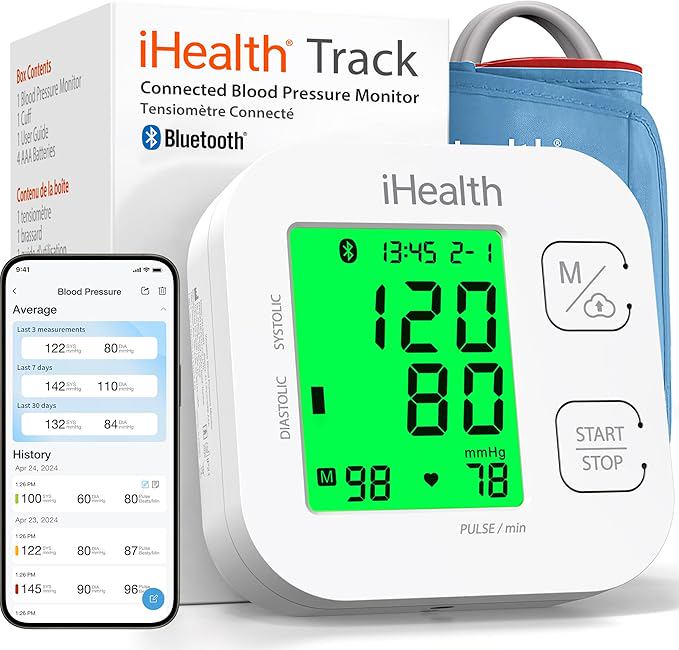
- Check blood pressure before your first sip. Take it seated, feet flat, after resting for five minutes. Record that number separately from any later readings. A consistent morning systolic number above 130 mmHg deserves a conversation with your care team.
- Look beyond fasting glucose. Ask your doctor about intermittent post-meal glucose checks or a continuous glucose monitor (CGM) for a day or two to see the full glucose curve. Pair that with a blood test for cystatin C, which can detect early kidney decline sooner than creatinine alone.
- Assess swelling before you hydrate. Each morning, before you drink anything, gently press your thumb into your shin or ankle for five seconds. If the indentation remains (pitting edema), note it. That is not a reason to panic, but it is a signal to bring up with your doctor.
- Choose coffee wisely. If you drink coffee, consider drinking it without added sugars or high-phosphorus creamers. Limit to one cup before midday. Monitor how your blood pressure responds within 30 minutes of that cup—if you see a consistent rise, you may need to shift your timing or switch to a lower-caffeine alternative like chicory root coffee.
The bigger picture: Diabetes and kidney protection
Masked early signs do not mean damage is inevitable. Diabetes-related kidney disease is preventable and manageable with consistent attention to several key factors:
- Blood sugar control – Keeping time-in-range high reduces glucose spikes that scar kidney filters.
- Blood pressure management – Targeting below 130/80 mmHg (or the goal set by your provider) is one of the most protective actions for kidneys.
- Medication adherence – ACE inhibitors, ARBs, and SGLT2 inhibitors have specific kidney-protective benefits beyond their primary effects; discuss these with your prescriber.
- Dietary adjustments – Moderating sodium, potassium, and phosphorus, while ensuring adequate hydration, supports kidney workload.
Caveat: This article is for educational purposes and does not replace medical advice. Always consult your healthcare team before changing your medication, diet, or monitoring routine.
Your morning habits are anchors in your day. Let them serve you without hiding what your kidneys are trying to tell you. A few small shifts—checking blood pressure before coffee, broadening your glucose view, and staying curious about your body's subtle cues—can turn a routine into a protective practice.