
When your period arrives, it often brings a familiar, unwelcome entourage: cramps, bloating, fatigue, and headaches. Reaching for the right drink can be a simple, powerful way to ease your discomfort and support your body through this monthly shift. While no beverage is a cure-all, strategic hydration can help manage symptoms, replenish what’s lost, and provide a comforting ritual.
Your hydration needs change during menstruation. Blood loss, even the typical amount, can contribute to feelings of fatigue or lightheadedness. Hormonal fluctuations, particularly the drop in progesterone, can also trigger fluid retention (that bloated feeling) and headaches. Choosing drinks that address these specific states—replenishing fluids and electrolytes, soothing muscles, and reducing inflammation—can make a noticeable difference in how you feel.
Your Hydration Foundation: Water and Electrolytes
Plain water is always essential, but during your period, it’s the non-negotiable base of your fluid intake. Dehydration can worsen cramps, headaches, and fatigue. If you find plain water unappealing, try it at room temperature or slightly warm, as very cold drinks can sometimes exacerbate cramping for some people.
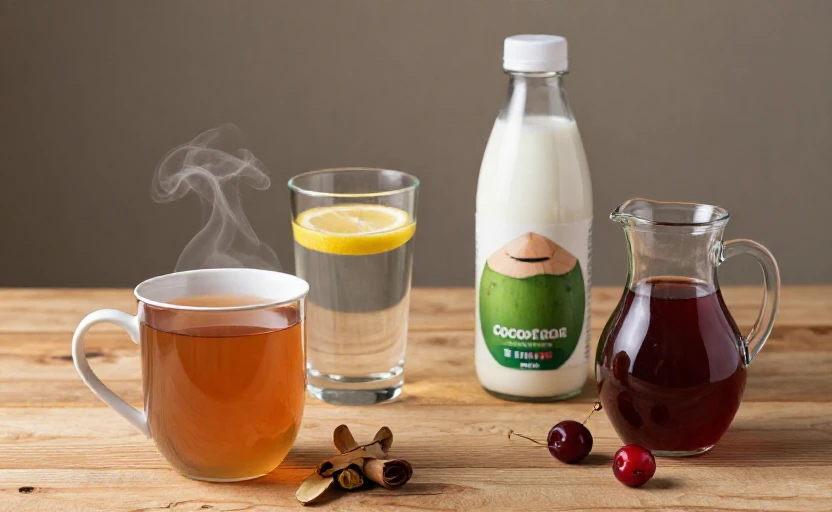
To take your hydration a step further, consider electrolytes. These minerals—like sodium, potassium, and magnesium—are lost in small amounts through menstrual fluid and are crucial for maintaining fluid balance and muscle function. A simple pinch of high-quality salt in your water or sipping on coconut water can help replenish them naturally.
Tip: If you experience heavy flow, paying attention to electrolytes becomes even more important to prevent dehydration and fatigue.
Warm and Soothing Options
Heat is a classic remedy for menstrual cramps, as it helps relax contracting uterine muscles. Applying it from the inside with a warm drink can provide deep, comforting relief.
Ginger tea is a standout choice. Ginger possesses natural anti-inflammatory and analgesic (pain-relieving) properties. Studies suggest it can be as effective as some over-the-counter medications in reducing the severity of menstrual cramps. Steep fresh ginger slices for a spicy, warming brew.
Peppermint tea is another excellent option, particularly if bloating or digestive upset accompanies your period. Peppermint is known for its ability to relax gastrointestinal muscles, which can ease cramping and reduce that full, gassy feeling.
Simple warm water with lemon offers gentle hydration, a boost of vitamin C, and can aid digestion. The ritual of a warm cup can also be psychologically soothing, helping you pause and tend to yourself.
Nutrient-Boosting and Anti-Inflammatory Choices
Some drinks go beyond hydration to deliver nutrients that directly support your body during menstruation.
Tart cherry juice has gained attention for its high levels of antioxidants and anti-inflammatory compounds. Some research indicates it may help reduce muscle soreness and inflammation, which could translate to eased menstrual discomfort. Opt for an unsweetened variety to avoid a sugar crash.
Green smoothies are a fantastic way to pack in nutrients. Blend spinach or kale (rich in magnesium, a muscle relaxant) with a banana (for potassium) and berries (for antioxidants). Using water or coconut water as the base keeps it hydrating. The magnesium and calcium in leafy greens are particularly important for muscle and nerve function during your cycle.
What About Caffeine?
Caffeine’s effect during menstruation is highly individual. For some, a cup of tea or coffee provides a needed energy lift against fatigue. However, caffeine is a vasoconstrictor (it narrows blood vessels) and can potentially worsen cramps or anxiety for others. It may also contribute to breast tenderness. If you’re a regular caffeine consumer, notice how it makes you feel during your period. You might try switching to half-caff or opting for a gentler source like green tea, which has less caffeine and contains L-theanine, an amino acid that promotes calm alertness.
Drinks to Limit or Avoid
Just as some drinks can help, others might hinder your comfort.
- Sugary sodas and juices: High sugar intake can spike blood sugar levels, leading to energy crashes and potentially increasing inflammation and bloating.
- Alcohol: It’s a diuretic, which can lead to dehydration and worsen headaches. It can also disrupt sleep and potentially intensify mood swings.
- Excessively salty drinks: While some salt is needed for electrolytes, drinks like broth or vegetable juice with very high sodium content can exacerbate water retention and bloating.
Listening to your body is key. If a drink seems to make your bloating, cramps, or mood worse, it’s a sign to choose something else.
Creating Your Personal Period Hydration Plan
The goal isn’t a strict regimen, but a toolkit of options. Start by ensuring you’re drinking enough water throughout the day. Then, incorporate one or two targeted beverages based on your most pressing symptoms. For morning cramps, a ginger tea. For afternoon bloating, peppermint. For heavy flow days, water with a focus on electrolytes.
Keep a warm thermos of your chosen herbal tea by your desk or bedside. Prepare a pitcher of water with cucumber or citrus slices to make plain hydration more appealing. Most importantly, use this act of drinking as a moment of self-care—a small, mindful pause to nourish yourself during a time when your body is doing important work.