When you're managing Polycystic Ovary Syndrome (PCOS), the choices you make at the kitchen counter can be just as important as what's on your plate. Many of my clients tell me they never think twice about what they drink—but those liquid calories, hidden sugars, and inflammation triggers can quietly work against all the good work you're doing with your meals.
Registered dietitians who specialize in PCOS know that the right beverages can help lower insulin levels, reduce inflammation, and support stable energy. The wrong ones spike blood sugar, promote cortisol release, and fuel the hormonal chaos that makes PCOS symptoms worse. Here's exactly what to reach for—and what to avoid—if you want to drink in a way that supports better hormonal balance.
Why what you drink matters for PCOS
Your body's hormonal network is exquisitely sensitive to insulin, the hormone that moves sugar from your blood into your cells. Up to 75 percent of women with PCOS have some degree of insulin resistance, meaning their cells don't respond well to insulin's signal. The pancreas pumps out more insulin to compensate, and that excess insulin signals the ovaries to produce more testosterone.
Beverages can either fan that flame or douse it. A sugary latte or a bottle of sweetened iced tea lands in your bloodstream fast, spiking both blood sugar and insulin within minutes. Over time, that pattern worsens insulin resistance, which makes PCOS harder to manage. On the other hand, drinks that are low in sugar and rich in anti-inflammatory compounds help stabilize blood sugar and quiet the immune system—a double win for women with PCOS.
Water: the unsung hero
Plain water might sound boring, but it's the single most impactful drink for PCOS management. Adequate hydration supports kidney function, helps flush out excess byproducts of inflammation, and keeps your metabolism running efficiently. When you're dehydrated, your liver can't clear waste products as effectively, and your cortisol levels can creep up—neither of which is good for hormonal balance.
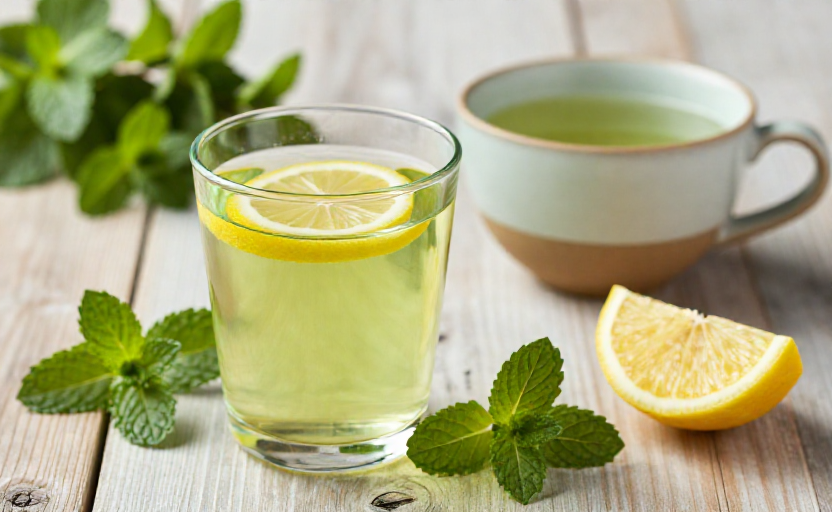
Dietitians recommend aiming for 8 to 10 cups of water per day, more if you exercise or live in a warm climate. If plain water feels dull, infuse it with cucumber slices, lemon, a few fresh mint leaves, or a handful of berries. These add subtle flavor without any sugar, and the polyphenols from the fruits and herbs offer extra anti-inflammatory benefits.
Quick tip: Keep a water bottle on your desk or kitchen counter. Seeing it helps you remember to sip throughout the day.
Green tea: a gentle metabolic boost
Green tea is widely studied for its antioxidant and anti-inflammatory effects, and it may be especially helpful for women with PCOS. The star compound is epigallocatechin gallate (EGCG), a catechin that has been shown in research to reduce oxidative stress and improve insulin sensitivity.
Some small studies suggest that drinking green tea regularly can lower fasting insulin levels and reduce free testosterone. It also provides a modest amount of caffeine—enough to sharpen focus, but not so much that it jacks up cortisol the way coffee sometimes does. Aim for 2 to 3 cups a day, unsweetened, to get the benefits without added sugar.
Spearmint tea: the androgen-lowering herb
Spearmint tea stands out in the PCOS world for its effect on testosterone. Several studies have shown that drinking two cups of spearmint tea per day for 30 days can significantly lower free testosterone levels in women with PCOS. It also appears to reduce hirsutism (excess facial and body hair) over time, though it takes consistent use.
The exact mechanism isn't fully understood, but spearmint seems to have anti-androgenic properties. It's a simple, pleasant-tasting intervention—just steep fresh or dried spearmint leaves in hot water for 5 to 10 minutes. Drink it between meals rather than with food to avoid any potential impact on iron absorption (its effect on iron is mild, but worth noting).
Bone broth: hidden nutrient support
Bone broth is more than a trendy wellness drink. For women with PCOS, it provides glycine, proline, and collagen—amino acids that support liver detoxification pathways and gut health. Since PCOS is linked to low-grade chronic inflammation and often co-occurs with gut issues like SIBO or dysbiosis, a cup of warm bone broth can be a soothing way to deliver anti-inflammatory nutrients.
Choose a low-sodium version or make your own by simmering chicken or beef bones with vegetables for 12 to 24 hours. Drink a cup in the afternoon when energy tends to dip. The protein and minerals provide steady fuel without blood sugar spikes.
Drinks to limit or avoid
- Sugary sodas and sweetened teas: These are the biggest offenders. A single can might contain 40 grams of sugar, which will spike your insulin dramatically. Diet versions aren't great either—artificial sweeteners may disrupt the gut microbiome and still trigger an insulin release in some people.
- Fruit juice: Even 100 percent fruit juice is essentially sugar water without the fiber of whole fruit. A glass can contain as much sugar as a soda. Stick to whole fruit and drink water or herbal teas instead.
- Heavy coffee drinks: A plain black coffee or a splash of unsweetened oat milk is fine. But syrups, whipped cream, and flavored creamers turn coffee into a dessert. Those caramel lattes can pack 50 grams of sugar.
- Alcohol: Alcohol disrupts sleep, stresses the liver, and can worsen insulin resistance. It also lowers inhibitions around food choices. If you do drink, stick to one serving (or less) of dry wine or spirits with a sugar-free mixer, and always sip slowly with food.
Milk alternatives: what to choose
Dairy is a mixed bag for PCOS. Cow's milk contains insulin-like growth factor (IGF-1), which can exacerbate acne and hormonal imbalances in some women. Unsweetened almond milk, oat milk, and flax milk are generally good choices because they are low in sugar. Coconut milk (from a carton, not a can) is also fine in small amounts. Avoid rice milk—it has a high glycemic index and can spike blood sugar almost as much as soda.
Soy milk is a debated topic: some research suggests that isoflavones in soy may have a weak estrogenic effect that could be beneficial, while other studies raise concerns. If you tolerate it, unsweetened soy milk in moderation is reasonable, but don't make it your only milk.
Putting it all together: a sample drinking routine
Here's what a dietitian might recommend for a typical day:
- Morning: 16 ounces of water with lemon first thing. Wait 30 minutes, then have 1 cup of green tea or spearmint tea if you like.
- Mid-morning: Another cup of herbal tea (try rooibos or ginger) or plain water.
- Lunch: Water with a splash of apple cider vinegar (some research suggests vinegar can blunt the blood sugar spike from carbs).
- Afternoon: 1 cup of warm bone broth or 1 cup of spearmint tea.
- Evening: 1 cup of chamomile or lavender tea to wind down.
This routine keeps you hydrated, delivers targeted plant compounds, and never spikes your blood sugar. It's simple, but it works.
The bottom line
There's no magic drink that cures PCOS, but every sip you take is an opportunity to support your body's hormonal harmony. Water, green tea, bone broth, and spearmint tea are evidence-backed choices that can help quiet inflammation, lower insulin, and reduce androgen levels. Skip the sugary beverages, be mindful of coffee add-ins, and limit alcohol. Your taste buds will adapt within a week or two, and your body will thank you with steadier energy, clearer skin, and easier weight management.